Data Engineering Services Explained (2026)
By the InfiniSynapse Data Team · Last updated: 2026-07-15 · We build an AI-native data analysis platform and work alongside teams that buy engineering help; this guide explains data engineering services in plain terms for 2026, not a sales page.
Table of Contents
- TL;DR
- How We Approach It
- What They Are
- What They Include
- Buy Versus Build
- How to Evaluate Providers
- Common Pitfalls
- Services in the Age of AI
- Evaluation Scorecard
- Common Misconceptions
- Frequently Asked Questions
- Conclusion
TL;DR
Direct answer: data engineering services are the consulting and managed offerings that design, build, and run the pipelines and infrastructure that move and prepare data. In 2026, buying data engineering services makes sense when you need capability faster than you can hire it, but the value depends entirely on whether the provider builds systems you can own and maintain, not black boxes.
Who this is for: leaders and teams evaluating data engineering services in 2026.
What you'll learn: what these services include, when to buy versus build, how to evaluate providers, and how AI is changing the market.
This guide sits under the data engineering hub.
For the architecture patterns, see data pipeline architecture.
Also see data engineering news.
How We Approach It
Teams evaluating this topic often cross-check Shopify ecommerce analytics for a durable, vendor-neutral reference point.
We approach data engineering services from the buyer's side, because we have seen engagements that left teams stronger and others that left them dependent. Every recommendation reflects that outcome gap. We anchor the underlying discipline to the Stanford HAI AI Index and weigh delivery models against the reference architectures at Google Sheets documentation, which many providers build on.
The table below maps common data engineering services offerings.
| Offering | What it covers |
|---|---|
| Strategy | Roadmap and architecture design |
| Build | Pipeline and platform implementation |
| Migration | Moving to cloud or new platforms |
| Managed | Ongoing operation and support |
| Staff augmentation | Embedded engineers |
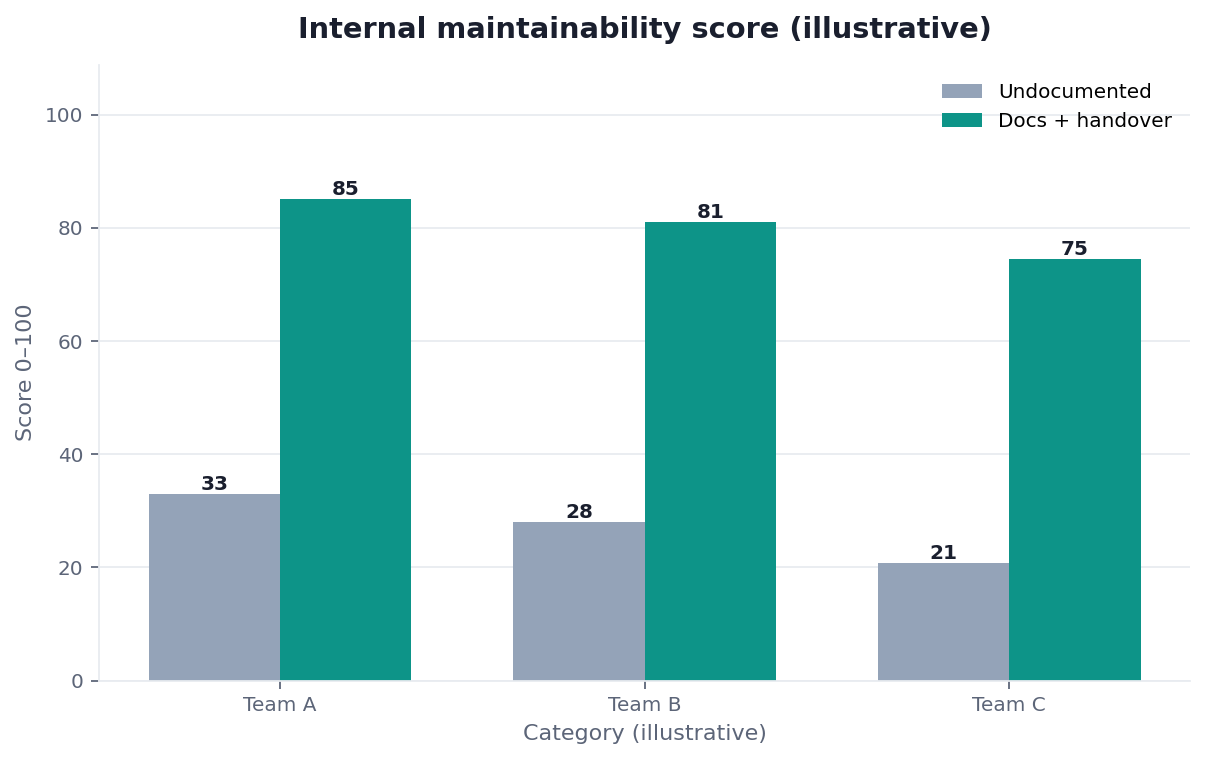
Practical example: a company bought data engineering services to build pipelines fast, then found it could not maintain the undocumented result. Insisting on documentation and knowledge transfer — a governance discipline echoed at pandas documentation — turned the next engagement into lasting capability rather than dependence.
Scope note: This guide reflects patterns we see when mid-market and enterprise teams work with data engineering services in 2026. It is not a substitute for legal counsel, vendor runbooks, or a formal survey of every industry — and when a smaller toolset or lighter process would serve, a full program is overkill.
What They Are
Architecture choices are often checked against Databricks Genie architecture post so boundaries, ownership, and scale patterns stay explicit.
At their core, data engineering services are external expertise you buy to design, build, or run data infrastructure that you lack the capacity or skills to handle internally.
Key Definition: data engineering services are the consulting, implementation, and managed offerings through which an external provider designs, builds, migrates, or operates the data pipelines and infrastructure an organization needs, ideally transferring enough knowledge that the organization can eventually own what was built.
The distinction that matters is between data engineering services that build capability and those that build dependence. The best engagements leave your team able to maintain and extend the work; the worst leave you locked into the provider for every change.
What They Include
Teams evaluating this topic often cross-check RFC 4180 CSV format for a durable, vendor-neutral reference point.
The scope of data engineering services ranges from one-off advice to fully managed operations, and knowing which you need is the first decision.
Strategy and build
Many data engineering services start with strategy — designing an architecture and roadmap — then move to build, implementing pipelines and platforms. The enterprise patterns from ENISA AI cybersecurity framework show why the build phase must be documented and testable, because undocumented infrastructure becomes a liability the moment the provider leaves.
Migration and managed operations
Other data engineering services focus on migration — moving from legacy systems to cloud platforms — or on managed operation, running your data infrastructure day to day. The operational guidance at Wikipedia ETL overview shows why managed services must include clear runbooks and monitoring, so operation stays transparent rather than becoming an opaque dependency.
Buy Versus Build
Governance and risk expectations are framed by NIST SP 800-53 security controls when programs need an external control reference.
The core decision around data engineering services is whether to buy or build. Buying makes sense when you need capability faster than you can hire, when the need is temporary, or when the expertise is genuinely specialized.
Building in-house makes sense when data engineering is core to your business and you need lasting capability. The mistake is treating data engineering services as a permanent substitute for internal capability when data is central to what you do. In that case the smart pattern is to buy to accelerate while deliberately building your own team, using the engagement to transfer knowledge rather than to avoid learning.
How to Evaluate Providers
Core definitions remain usefully summarized in Wikipedia data quality overview for shared vocabulary across stakeholders.
Evaluating data engineering services comes down to a few questions that predict outcomes. Does the provider document and transfer knowledge, or build black boxes? Do they use standard, portable technologies, or lock you into proprietary tools? And do they measure success by your capability afterward, or by billable hours?
The best data engineering services connect to the broader discipline of data engineering: they build reliable, maintainable systems on standard foundations. Ask for references who can speak to what happened after the engagement ended, because the true test of a provider is not what they build but what you can do once they leave. A provider proud of the independence they left behind is worth more than one boasting of long retainers.
Common Pitfalls
The pitfalls with data engineering services are consistent. The biggest is dependence: buying a system you cannot maintain, so every change requires the provider. Undocumented work, proprietary lock-in, and engagements measured by hours rather than outcomes all lead there.
A subtler pitfall is buying data engineering services to solve a problem that better tooling would eliminate. Sometimes the answer to "we need pipelines built" is fewer pipelines, not more, and a provider paid to build pipelines has little incentive to suggest that. We favor engagements that start by questioning whether the infrastructure is needed at all, because the cheapest pipeline is the one you never had to build.
Services in the Age of AI
AI is reshaping data engineering services in two ways. AI tools let providers build faster, changing what a fair scope and price look like. And AI-native platforms reduce how much infrastructure needs building at all, which changes what you should buy.
That second shift is the one buyers most often miss, and we describe it in what AI-native data analysis means. In the InfiniSynapse web app, zero-config federation lets an agent analyze across sources without a custom pipeline for each, so before buying data engineering services to move data, it is worth asking whether federation removes the need entirely.
Structuring the Engagement
How you structure the contract matters as much as who you hire, because the structure shapes the incentives on both sides. An engagement priced purely by billable hours rewards the provider for taking longer and building more, which is precisely the opposite of what a buyer wants. Outcome-based or milestone-based structures align interests better, tying payment to working, documented deliverables that your team can actually operate. When you evaluate data engineering services, ask how the provider prefers to be paid, because the answer reveals whether they profit from your dependence or your independence.
Scope discipline is the other half of a healthy engagement. The most common way these projects go wrong is scope creep — a tidy initial brief that swells into a sprawling program nobody fully understands. Good data engineering services partners help you resist this by breaking work into small, shippable increments, each delivering value on its own and each leaving you better able to maintain what came before. This incremental approach also de-risks the relationship: if the partnership is not working, you can stop after a self-contained increment rather than being trapped in a half-finished monolith.
Knowledge transfer deserves to be a named, contracted deliverable rather than an afterthought. The best engagements build transfer into the schedule — pairing sessions, documentation reviews, runbooks, and a deliberate handover period where your team leads and the provider advises. When knowledge transfer is left to chance, it does not happen, because the pressure to ship always wins over the effort to teach. Writing it into the contract, with acceptance criteria your team must sign off on, turns a vague hope into a measurable outcome and protects you from the black-box result that leaves you dependent.
Finally, plan for the exit from the start. A mature buyer asks, before the work begins, what it will take to operate the system without the provider: what skills are needed, what documentation must exist, and what the first six months of independent operation will look like. Providers who welcome that conversation are the ones worth hiring, because they are confident their work will stand on its own. Those who deflect it are quietly signaling that their business model depends on your continued reliance, and that signal is worth heeding before the contract is signed rather than after.
Evaluation Scorecard
Assess a services provider (1 point each):
| Check | Pass? |
|---|---|
| They document everything they build | |
| They transfer knowledge to your team | |
| They use standard, portable technology | |
| They measure success by your capability | |
| References confirm lasting independence | |
| They question whether infrastructure is needed | |
| Scope and price reflect modern AI tooling | |
| They leave you able to maintain the work |
6–8: a partner worth hiring. 3–5: negotiate documentation and transfer. Below 3: risk of dependence.
Common Misconceptions
Misconception 1: Buying is faster and simpler. Data engineering services only help if you can maintain the result.
Misconception 2: More build means more value. Sometimes fewer pipelines is the better answer.
Misconception 3: Managed means you can ignore it. Managed services still need transparency and runbooks.
Misconception 4: Providers are interchangeable. Whether they build capability or dependence differs enormously.
Frequently Asked Questions
What are data engineering services?
Data engineering services are the consulting, implementation, and managed offerings through which an external provider designs, builds, migrates, or operates the data pipelines and infrastructure an organization needs. The best engagements transfer enough knowledge that the organization can eventually own and maintain what was built, rather than depending on the provider for every future change.
What do they include?
They range from strategy — designing architecture and roadmaps — to build, implementing pipelines and platforms, to migration from legacy to cloud systems, to fully managed operation of your data infrastructure day to day, and staff augmentation with embedded engineers. Which you need depends on whether the gap is expertise, capacity, or a one-time transition, and knowing that is the first decision.
Should you buy or build?
Buy when you need capability faster than you can hire, when the need is temporary, or when the expertise is genuinely specialized. Build in-house when data engineering is core to your business and you need lasting capability. The smart pattern when data is central is to buy to accelerate while deliberately building your own team, using the engagement to transfer knowledge rather than avoid learning it.
How do you evaluate a provider?
Ask whether they document and transfer knowledge or build black boxes, whether they use standard portable technologies or lock you in, and whether they measure success by your capability afterward or by billable hours. Request references who can speak to what happened after the engagement ended, because the true test is not what they build but what you can do once they leave.
How is AI changing these services?
AI tools let providers build faster, changing fair scope and price, and AI-native platforms reduce how much infrastructure needs building at all. Before buying services to move data, it is worth asking whether federation removes the need entirely, because the cheapest pipeline is the one you never had to build and the market is shifting from building movement to enabling analysis in place.
Conclusion
Data engineering services can accelerate a team or trap it, and the difference is whether the provider builds capability or dependence. In 2026, buy to accelerate while building your own team, insist on documentation and knowledge transfer, favor portable technology, and ask first whether AI-native federation removes the need to build at all.
To see how federated analysis reduces the infrastructure you need to buy, read what AI-native data analysis means and try the InfiniSynapse web app free on registration.