
On this page本页目录
Why might an ecommerce return rate look unusually high?为什么电商退货率看起来异常偏高?
A high return rate may reflect a changed numerator or denominator, immature recent orders, a shift toward products or channels that naturally return more, a promotion or policy change, different reason capture, fulfillment or damage problems, abuse, or a genuine product/customer-experience change. Recalculate one governed cohort, compare like with like, decompose the change, review cases, and test a mechanism. Do not diagnose from one headline percentage.
高退货率可能来自分子或分母变化、近期订单未成熟、商品或渠道结构转向本就退货较高的群组、促销或政策变化、原因采集变化、履约或损坏问题、滥用,或真实的商品/客户体验变化。应重新计算一个受治理群组,进行同类比较,分解变化,复核案例并测试机制;不要从一个总百分比诊断。
“High” is contextual. A valid assessment needs the business definition, observation unit, eligible population, return window, cohort maturity, period, product/category, geography, channel, promotion, policy, and economic consequence. External averages can provide dated context but cannot define a healthy threshold for one store.
“高”取决于情境。有效评估需要业务定义、观察单位、合格总体、退货窗口、群组成熟度、期间、商品/品类、地区、渠道、促销、政策与经济后果。外部平均值可提供带日期背景,但不能为单个商店定义健康阈值。
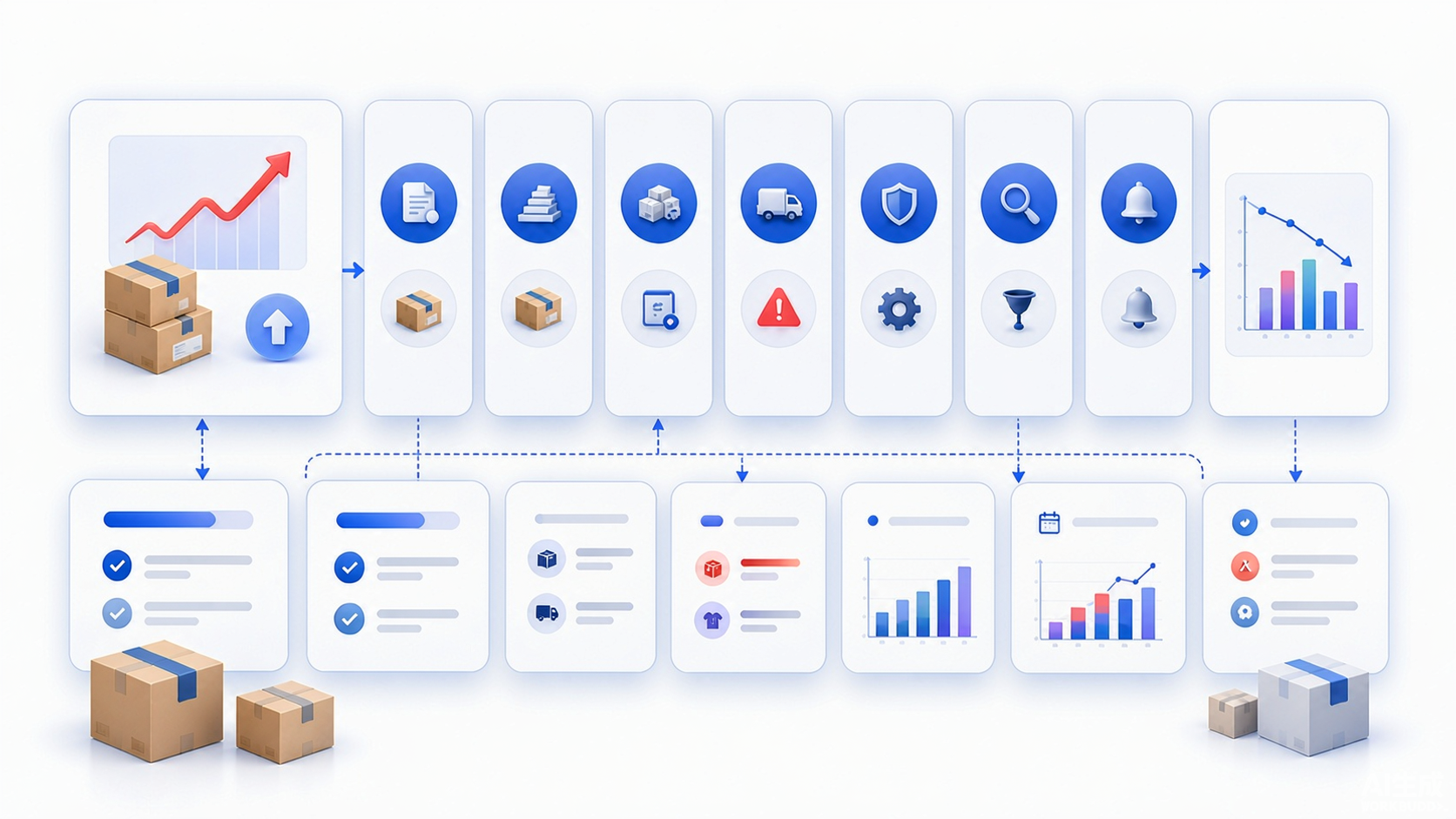
Check eight diagnostic layers in order按顺序检查八个诊断层
Start with the cheapest explanations to falsify. If the definition or cohort changed, downstream reason analysis can be precise yet wrong. Preserve the original report, then rebuild a comparison dataset with explicit versioning.
先检查成本最低、最容易证伪的解释。如果定义或群组发生变化,下游原因分析可能非常精确却仍然错误。保留原始报告,再用明确版本化重建比较数据。
Return event, unit or order, cancellations, exchanges, partials, denominator, and duplicate handling.退货事件、件或订单、取消、换货、部分退货、分母与重复处理。
Purchase or fulfillment cohort, return window, lag curve, censoring, and as-of date.购买或履约群组、退货窗口、滞后曲线、截尾与截至日期。
Product, category, price, size, geography, channel, customer, device, and newness mix.商品、品类、价格、尺码、地区、渠道、客户、设备与新品结构。
Promotion, price, promise, acquisition, merchandising, assortment, and season.促销、价格、承诺、获客、商品运营、选品与季节。
Raw and mapped reasons, wording/version, multi-reason, inspection, and coverage.原始与映射原因、措辞/版本、多原因、质检与覆盖。
Inventory, pick/pack, substitutions, delivery, damage, support, and processing lag.库存、拣包、替代、配送、损坏、客服与处理滞后。
Eligibility, fees, deadlines, refund path, fraud flags, and false-positive controls.资格、费用、期限、退款路径、欺诈标记与误报控制。
Specific hypothesis, alternatives, treatment, exposure, maturity, guardrails, and outcome.具体假设、替代解释、方案、曝光、成熟度、护栏与结果。
Do not jump directly from a rate spike to customer blame, product blame, or policy restriction. The first four layers often explain composition or timing without a new defect.
不要从退货率飙升直接跳到客户归责、商品归责或政策收紧。前四层常能用结构或时间解释变化,而非出现新缺陷。
Label each candidate explanation by evidence status按证据状态标记每个候选解释
Maintain a diagnostic ledger instead of one narrative. Each hypothesis needs an expected pattern, a comparison, evidence coverage, result, and status. More than one mechanism can contribute to the same aggregate increase.
维护诊断台账,而不是单一故事。每个假设都应有预期模式、比较、证据覆盖、结果与状态。同一次总量上升可能由多个机制共同造成。
| Hypothesis class假设类别 | Pattern to check待检查模式 | Evidence status证据状态 |
|---|---|---|
| Measurement artifact测量伪影 | Definition, pipeline, deduplication, joins, backfill, or dashboard version changed定义、管道、去重、关联、回填或看板版本变化 | Unknown → checked → confirmed/rejected未知 → 已检查 → 确认/否定 |
| Maturity / lag成熟度/滞后 | Recent cohorts have different opportunity or returns were posted into a later period近期群组机会不同,或退货记入更晚期间 | Unknown → adjusted未知 → 已调整 |
| Mix shift结构变化 | Within-segment rates stable while high-rate segment share rises细分内退货率稳定,但高退货细分占比上升 | Descriptive, not causal描述性,非因果 |
| Operational mechanism运营机制 | Matched cases and exposure align with a specific process or product change匹配案例与曝光符合具体流程或商品变化 | Hypothesis → supported → validated假设 → 获支持 → 已验证 |
| Multiple contributors多重促成因素 | Several components explain distinct portions of the change多个部分解释变化的不同份额 | Versioned contribution statement版本化贡献说明 |
Rebuild one comparable diagnostic dataset重建一个可比诊断数据集
- Freeze the question固定问题
Write the observed metric, baseline, period, as-of date, business concern, and decision it may trigger.写明观察指标、基线、期间、截至日期、业务关切与可能触发的决策。 - Version the metric版本化指标
Document numerator, denominator, unit, event date, eligibility, exclusions, deduplication, and exchanges.记录分子、分母、单位、事件日期、资格、排除、去重与换货。 - Build mature cohorts建立成熟群组
Anchor to purchase or fulfillment, apply the same observation window, and report incomplete cohorts separately.以购买或履约为锚点,使用相同观察窗口,并单独报告未完成群组。 - Validate the pipeline验证数据管道
Reconcile orders, units, return lines, statuses, duplicates, late updates, currencies, and missing joins.核对订单、件数、退货行、状态、重复、迟到更新、币种与缺失关联。 - Decompose the change分解变化
Compare within product, category, channel, geography, customer, promotion, and policy segments plus their shares.比较商品、品类、渠道、地区、客户、促销与政策细分内退货率及其占比。 - Review reason and case evidence复核原因与案例证据
Preserve raw reasons, map versions, inspection, support contacts, fulfillment, delivery, and product-content exposure.保留原始原因、映射版本、质检、客服联系、履约、配送与商品内容曝光。 - Test the smallest mechanism测试最小机制
Define one change, eligible exposure, comparison, maturity date, stopping rules, and customer/business guardrails.定义一项变更、合格曝光、比较、成熟日期、停止规则与客户/业务护栏。
The CSV records metric and pipeline versions, cohort maturity, segment mix, reason and inspection coverage, policy and promotion changes, fulfillment signals, hypotheses, tests, and outcomes.
CSV 记录指标与管道版本、群组成熟度、细分结构、原因与质检覆盖、政策和促销变化、履约信号、假设、测试与结果。
Download CSV template下载 CSV 模板 ↓Separate rate change from composition change区分退货率变化与结构变化
Also publish counts, eligible denominator, value, confidence or uncertainty, cohort maturity, data coverage, policy version, and as-of date. A decomposition allocates an observed difference under chosen rules; it does not prove why any component changed.
还应发布数量、合格分母、金额、置信或不确定性、群组成熟度、数据覆盖、政策版本与截至日期。分解只按选定规则分配观察差异,不能证明任何部分为何变化。
| Output输出 | Required context所需背景 | What it can support可支持内容 |
|---|---|---|
| Recalculated governed rate重算受治理退货率 | Metric version, mature denominator, reconciliation, as-of date指标版本、成熟分母、核对、截至日期 | Confirm whether the spike is real确认上升是否真实 |
| Within-segment rate effect细分内退货率效应 | Stable segment definitions, adequate counts, matched periods稳定细分定义、足够数量、匹配期间 | Locate changing behavior within groups定位群组内变化 |
| Mix effect结构效应 | Segment shares and fixed reference rates细分占比与固定参考率 | Quantify composition contribution量化结构贡献 |
| Reason and inspection shift原因与质检变化 | Capture wording/version, coverage, multi-reason, case joins采集措辞/版本、覆盖、多原因、案例关联 | Prioritize investigation, not prove cause确定调查优先级,不证明因果 |
| Controlled test result受控测试结果 | Exposure, comparison, maturity, guardrails, uncertainty曝光、比较、成熟度、护栏、不确定性 | Support or reject a mechanism支持或否定机制 |
Worked example: most of the spike is a mix shift示例:大部分上升来自结构变化
A synthetic store’s mature item return rate rises from 10.0% to 12.4%. The metric definition and pipeline reconcile. A pre-publication QA check catches an inconsistent category-share direction in the initial worksheet. After correction, the validated dataset shows high-rate Category B growing from 40% to 65% of fulfilled units, while B’s own return rate moves from 13.0% to 14.8%.
一个模拟商店的成熟件数退货率从 10.0% 上升到 12.4%,指标定义与管道核对无误。发布前 QA 发现初始工作表中的品类占比方向不一致。纠正后,验证数据表明高退货品类 B 占履约件数的比例从 40% 增至 65%,同时 B 自身退货率从 13.0% 升至 14.8%。
| Synthetic check模拟检查 | Baseline基线 | Current当前 | Interpretation解释 |
|---|---|---|---|
| Overall mature return rate总体成熟退货率 | 10.0% | 12.4% | +2.4 percentage points to explain需解释 +2.4 个百分点 |
| High-rate Category B share高退货品类 B 占比 | 40% | 65% | Strong composition change明显结构变化 |
| Category B return rate品类 B 退货率 | 13.0% | 14.8% | Within-category change remains仍有品类内变化 |
| Reason capture coverage原因采集覆盖 | 82% | 84% | Comparable but incomplete可比但不完整 |
The corrected example shows why input QA comes first. A standard decomposition can attribute part of the aggregate increase to Category B’s larger share and leave a smaller within-category increase to investigate. It cannot prove why B’s share or rate changed. Review product, promotion, channel, reason, fulfillment, and policy evidence within B, then test a specific mechanism.
修正示例说明为什么输入 QA 必须优先。标准分解可把总体上升的一部分归于品类 B 占比增加,并留下较小的品类内上升继续调查;但不能证明 B 的占比或退货率为何变化。应在 B 内复核商品、促销、渠道、原因、履约与政策证据,再测试具体机制。
All store figures and records in this example are synthetic. They illustrate the method and do not represent InfiniSynapse customer results or industry benchmarks.本示例中的商店数字与记录均为模拟,仅用于说明方法,不代表 InfiniSynapse 客户结果或行业基准。
Use the first failed check to choose the next action用第一个未通过检查决定下一步
If recalculation removes the spike, fix reporting and notify users of the version change. If maturity explains it, restate the comparison and wait. If mix explains most of it, investigate the commercial decision that shifted exposure. Only after those checks should teams interpret reason, case, fulfillment, abuse, or product evidence as a possible mechanism.
如果重算消除上升,应修复报告并通知用户版本变化;如果成熟度可解释,应重述比较并等待;如果结构解释大部分变化,应调查改变曝光的商业决策。只有完成这些检查后,团队才应把原因、案例、履约、滥用或商品证据解释为可能机制。
The dashboard moved because definition, data, joins, timing, or backfill changed.看板变化来自定义、数据、关联、时间或回填变化。
Aggregate rate rose because exposure shifted toward a higher-return segment.总体退货率因曝光转向高退货细分而上升。
Case evidence and matched comparisons fit a specific falsifiable explanation.案例证据与匹配比较符合具体可证伪解释。
The remaining difference is visible but evidence is insufficient or conflicting.剩余差异可见,但证据不足或冲突。
Do not hide an unresolved residual inside “other.” Publish its size, missingness, plausible alternatives, and next evidence deadline.
不要把未解析残差隐藏在“其他”中。应发布其规模、缺失、可能替代解释与下一证据期限。
Run ten controls before calling the rate high判定退货率偏高前完成十项控制
- Metric version: numerator, denominator, unit, dates, events, exclusions, and exchanges are explicit.指标版本:明确分子、分母、单位、日期、事件、排除与换货。
- Cohort maturity: comparable cohorts have equal return opportunity or are modeled transparently.群组成熟度:可比群组具有同等退货机会,或采用透明模型。
- Pipeline reconciliation: source orders, shipments, return lines, refunds, and dashboard totals match.管道核对:源订单、发货、退货行、退款与看板总数一致。
- Counts and value: percentages include cases, units, orders, value, and economic consequence.数量与金额:百分比同时包含案例、件、订单、金额与经济后果。
- Stable segments: product, category, channel, geography, and customer mappings are versioned.稳定细分:商品、品类、渠道、地区与客户映射有版本。
- Small-sample caution: uncertainty and minimum counts are visible.小样本谨慎:展示不确定性与最小数量。
- Reason coverage: missing, changed, other, multi-reason, and free text are reported.原因覆盖:报告缺失、已更改、其他、多原因与自由文本。
- Case inspection: customer reason, condition, disposition, refund, and root cause remain separate.案例质检:客户原因、状态、处置、退款与根因保持分离。
- Change log: promotions, pricing, policy, assortment, content, fulfillment, and acquisition changes are dated.变更日志:促销、定价、政策、选品、内容、履约与获客变化均标日期。
- Ethical abuse review: protected attributes are excluded, false positives monitored, and human review available.合乎伦理的滥用审查:排除受保护属性,监控误报,并提供人工复核。
Avoid nine high-return-rate diagnosis mistakes避免九个高退货率诊断错误
- Treating a customer-selected reason as a verified root cause.把客户选择的原因当作已核验根因。
- Combining customer reason, observed condition, disposition, and refund outcome in one field.把客户原因、观察状态、处置与退款结果混在一个字段。
- Changing code labels without versioning or remapping historical records.更改代码标签却不进行版本化或映射历史记录。
- Ranking percentages without counts, eligible denominators, value, or uncertainty.只按百分比排序,不展示数量、合格分母、金额或不确定性。
- Comparing products, channels, or periods with different question wording and missingness.比较问题措辞与缺失程度不同的商品、渠道或期间。
- Discarding “other,” free text, multi-reason, changed, or unknown responses.丢弃“其他”、自由文本、多原因、已更改或未知回答。
- Acting on correlation before reviewing cases and testing a mechanism.在检查案例并测试机制前就依据相关性行动。
- Comparing a return-event month with a fulfillment cohort as if they were the same denominator.把退货事件月与履约群组当作相同分母比较。
- Using an external average as a universal pass/fail threshold for one store.把外部平均值作为单个商店的通用通过/失败阈值。
Write down what would disprove each explanation. If no available evidence can distinguish competing explanations, the honest result is “unresolved,” followed by a capture or test plan.
写明什么证据会推翻每个解释。如果现有证据无法区分竞争解释,诚实结果应是“未解析”,随后给出采集或测试计划。
Move from verified spike to one reversible test从核验上升推进到一项可逆测试
After definition, maturity, and mix checks, choose the largest material within-segment increase with adequate evidence. Review cases, state a mechanism and alternatives, select one reversible product, content, fulfillment, support, or policy treatment, and protect customer experience, conversion, margin, fraud false positives, and adjacent reasons.
完成定义、成熟度与结构检查后,选择证据充分且最重要的细分内上升。复核案例,陈述机制与替代解释,选择一项可逆的商品、内容、履约、客服或政策方案,并保护客户体验、转化、利润、欺诈误报与相邻原因。
| Signal信号 | Evidence to check待检查证据 | Safe next step安全下一步 |
|---|---|---|
| Spike disappears after maturity alignment对齐成熟度后上升消失 | Lag curve, observation window, as-of date, late postings滞后曲线、观察窗口、截至日期、迟到记账 | Correct dashboard and comparison language修正看板与比较措辞 |
| Mix explains most of the increase结构解释大部分上升 | Segment shares, acquisition, promotion, assortment, within-segment rates细分占比、获客、促销、选品、细分内退货率 | Evaluate the commercial tradeoff by contribution按贡献评估商业权衡 |
| One mature SKU-reason cohort remains high一个成熟 SKU—原因群组仍偏高 | Content, fulfillment, support, inspection, product batch, alternatives内容、履约、客服、质检、商品批次、替代解释 | Run one matched reversible test运行一项匹配可逆测试 |
Prepare a governed return-rate diagnostic file准备受治理的退货率诊断文件
Export metric and pipeline versions; order-line eligibility; purchase, fulfillment, return, and refund dates; return-window maturity; product, category, channel, geography, customer, promotion, and policy segments; raw and mapped reasons; inspection and disposition; fulfillment and damage signals; costs and recovery; and change-log events. Return Compass can decompose governed evidence; it cannot declare a universal healthy rate or infer cause from a spike.
导出指标与管道版本;订单行资格;购买、履约、退货与退款日期;退货窗口成熟度;商品、品类、渠道、地区、客户、促销与政策细分;原始与映射原因;质检与处置;履约与损坏信号;成本与回收;以及变更日志事件。逆向罗盘可分解受治理证据,但不能宣告通用健康退货率,也不能从一次上升推断因果。
Open Return Compass打开逆向罗盘 →Why Is My Return Rate So High? FAQ为什么退货率这么高常见问题
There is no universal threshold. Define the metric and compare mature, like-for-like product, channel, geography, customer, promotion, and policy cohorts, then consider economic and customer consequences.没有通用阈值。应先定义指标,比较成熟且同类的商品、渠道、地区、客户、促销与政策群组,再考虑经济与客户后果。
Check definition and pipeline changes, cohort maturity, segment mix, promotions, policy, reason capture, fulfillment, damage, abuse, and product or customer-experience changes in that order.应按顺序检查定义与管道变化、群组成熟度、细分结构、促销、政策、原因采集、履约、损坏、滥用及商品或客户体验变化。
Yes. If a higher-return segment becomes a larger share, the aggregate rate can rise while each segment is stable. Decompose within-segment and mix effects.会。如果高退货细分占比增加,即使每个细分稳定,总体退货率也会上升。应分解细分内效应与结构效应。
Not from the headline rate alone. Verify measurement and mechanism, model customer and financial tradeoffs, check legal requirements, and use a limited reversible test with guardrails.不应仅依据总退货率。先核验测量与机制,评估客户和财务权衡,检查法律要求,再通过带护栏的有限可逆测试决定。
Use versioned metric logic, order-line eligibility and dates, mature cohorts, product and commercial segments, reason capture, fulfillment, customer support, inspection, disposition, cost, recovery, and a dated change log.需要版本化指标逻辑、订单行资格与日期、成熟群组、商品与商业细分、原因采集、履约、客服、质检、处置、成本、回收及带日期变更日志。
Sources, evidence labels, and limitations来源、证据标签与限制
- Shopify Help Center: Creating and processing returns and exchanges — Official documentation that return-reason choices vary by product category and can be analyzed across Shopify return workflows.Shopify 帮助中心:创建并处理退货与换货——官方说明退货原因选项会因商品类别而变化,并可在 Shopify 退货工作流中用于分析。
- Microsoft Learn: Sales returns in Dynamics 365 Supply Chain Management — Official documentation for customer-selected reason codes, reason groups, return-line references, disposition actions, and inventory/credit implications.Microsoft Learn:Dynamics 365 供应链销售退货——客户选择原因码、原因组、退货行关联、处置动作以及库存/贷项影响的官方文档。
- Microsoft Learn: Return reason codes and disposition codes — Official distinction between why a customer requests a return and the condition/action assigned after physical inspection.Microsoft Learn:退货原因码与处置码——官方区分客户申请退货的原因与实体质检后分配的状态/动作。
- Oracle Retail Order Management: Establishing Return Reason Codes — Official reference for reason-code maintenance, storefront use, authorization/receipt/credit stages, history, counts, and returned merchandise value reporting.Oracle 零售订单管理:建立退货原因码——原因码维护、前台使用、授权/收货/贷项阶段、历史、数量与退货金额报告的官方参考。
- National Retail Federation: 2025 Retail Returns Landscape — Dated U.S. market context for return scale, customer expectations, and fraud; it does not establish an individual retailer’s reason mix.美国零售联合会:2025 零售退货报告——关于退货规模、客户预期与欺诈的带年份美国市场背景;不能代表单个零售商的原因结构。
Evidence statement: Official commerce-system documentation supports the distinction among reason, condition, disposition, and transaction stages. The NRF source supplies dated U.S. context only; it is not used as a store-specific benchmark. Examples are synthetic. No customer result, universal reason mix, causal claim, or guaranteed improvement is asserted. Sources were reviewed September 15, 2026; named subject-matter review is required before publication.证据声明:官方商业系统文档支持区分原因、状态、处置与交易阶段。NRF 来源仅提供带日期的美国背景,不作为商店专属基准。示例为模拟。本文不声称客户结果、通用原因结构、因果结论或保证改善。来源核验于 2026 年 9 月 15 日完成;发布前需要具名领域审核。
Verify the spike before trying to reduce it尝试降低前先核验上升
A high return rate is an observation, not a diagnosis. Rebuild the metric, align mature cohorts, reconcile the pipeline, separate mix from within-segment change, and preserve reason and inspection coverage. Then investigate the remaining material cohort with case evidence and one reversible test. Publish uncertainty and unresolved alternatives instead of manufacturing certainty.
高退货率是一项观察,不是诊断。应重建指标、对齐成熟群组、核对管道、区分结构与细分内变化,并保留原因及质检覆盖。随后用案例证据与一项可逆测试调查剩余的重要群组。发布不确定性与未解析替代解释,而不是制造确定性。