
On this page本页目录
Return rate vs refund rate, in one sentence: return rate measures physical merchandise returned as a share of eligible fulfilled units or orders, while refund rate measures merchant-issued refunds as a share of eligible orders or sales value. They should not be forced to match because they count different events.
一句话区分退货率与退款率:退货率衡量实体退回商品占合格履约件数或订单的比例;退款率衡量商家退款占合格订单或销售金额的比例。二者统计不同事件,不应被强行做成相同结果。
This comparison is for U.S. ecommerce operators, analysts, finance, CX, and inventory teams defining a shared KPI contract. It covers formulas, denominators, event differences, reconciliation, and reporting controls; it does not provide legal, tax, or accounting advice. Keep separate IDs, quantities, amounts, statuses, and timestamps for each event.
本文面向需要建立统一 KPI 口径的美国电商运营、分析、财务、客服与库存团队,覆盖公式、分母、事件差异、对账与报告控制,不提供法律、税务或会计建议。两个事件应分别保留 ID、数量、金额、状态和时间戳。
Return rate vs refund rate: what each KPI measures退货率与退款率:两个 KPI 分别衡量什么
Shopify's current help documentation describes a return as receiving an item back, optionally with shipping labels and tracking, and a refund as sending a full or partial payment amount back to a customer. Its order model also keeps return status, payment status, fulfillment status, and order status separate. That platform example supports a broader operational rule: do not compress merchandise movement and money movement into one field.
Shopify 当前帮助文档把退货描述为接收客户退回的商品,可包含退货标签与追踪;把退款描述为将全部或部分付款退还给客户。其订单模型也分别保留退货状态、付款状态、履约状态和订单状态。这个平台实例支持一条更普遍的运营原则:不要把商品流和资金流压缩到同一个字段中。
| Dimension维度 | Return退货 | Refund退款 |
|---|---|---|
| What moves流转对象 | Physical merchandise or its custody status实物商品或其保管状态 | Money or another permitted value resolution资金或其他允许的价值结算 |
| Core quantity核心数量 | Requested, shipped back, received, inspected, recovered units申请、寄回、签收、质检和回收件数 | Refunded amount by currency, payment method, tax, shipping, or line item按币种、付款方式、税费、运费或订单行记录的退款金额 |
| Completion完成条件 | Item reaches the defined received/processed state商品达到定义好的已签收或已处理状态 | Refund is issued and its financial status is known退款已发起且财务状态明确 |
| Primary owner主要负责人 | CX, warehouse, logistics, quality, inventory客服、仓库、物流、质量与库存团队 | CX, payments, finance, accounting客服、支付、财务与会计团队 |
| Primary risk主要风险 | Lost package, inspection delay, wrong disposition, inventory error包裹丢失、质检延迟、处置错误、库存错误 | Wrong amount, duplicate payout, failed payment rail, reconciliation gap金额错误、重复退款、支付通道失败、对账缺口 |
| Typical KPI典型指标 | Physical return rate and recovery rate实体退货率与可售回收率 | Refund incidence and refund-value rate退款发生率与退款金额率 |
Use a two-event model instead of one “returned” flag使用双事件模型,而不是一个“已退”标记
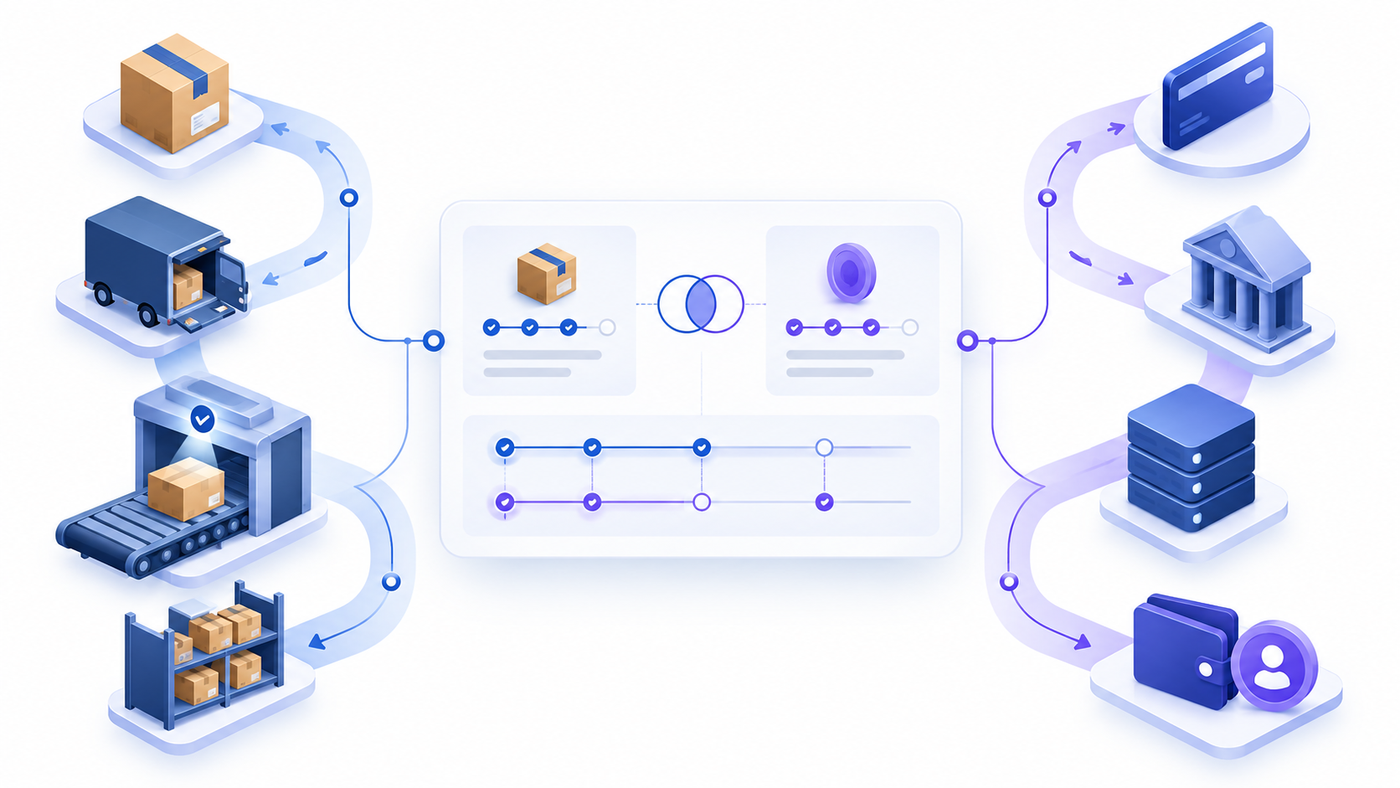
Model the return event and refund event as separate records joined to the same order line. The return record answers “where is the item and what condition is it in?” The refund record answers “what value was resolved, through which method, and when?” A relationship table then explains whether one event caused, preceded, or merely coexisted with the other.
把退货事件与退款事件作为两条独立记录,并关联到同一个订单行。退货记录回答“商品在哪里、状态如何”;退款记录回答“结算了多少价值、通过什么方式、何时完成”。关系表再解释两个事件是否具有因果、先后或仅仅共存关系。
Request → authorization → label → carrier acceptance → receipt → inspection → disposition → sellable recovery or write-off.
申请 → 授权 → 标签 → 承运商收件 → 仓库签收 → 质检 → 处置 → 恢复可售或核销。
Amount due → refund method → initiation → processor status → settlement → ledger posting → reconciliation.
应付金额 → 退款方式 → 发起 → 支付处理状态 → 结算 → 账簿入账 → 对账。
The lanes can run in either order. Some merchants refund after inspection; some issue a refund when a carrier scans the parcel; some make a returnless refund; some process a return into exchange or credit with no cash refund. Your policy chooses the workflow, while the data model records what actually happened.
两个通道的先后顺序并不固定。有些商家在质检后退款,有些在承运商首次扫描退货包裹时退款,有些采用仅退款,还有些把退货处理为换货或商店额度而不退现金。政策决定流程,而数据模型负责记录实际发生的事情。
Eight ecommerce returns and refunds scenarios电商退货与退款的八种场景
The synthetic event map below shows why neither event should be inferred from the other. Dates and USD amounts are illustrative, not benchmarks or customer results.
下面的模拟事件表说明了为什么不能用一个事件推断另一个事件。日期和美元金额仅用于说明,不是行业基准或客户成果。
| Scenario场景 | Product back?商品退回? | Refund?退款? | Correct classification正确分类 |
|---|---|---|---|
| Standard eligible return标准合规退货 | Yes是 | $80 full全额 | Return + full refund退货 + 全额退款 |
| Size swap尺码更换 | Yes是 | No cash无现金退款 | Return + exchange退货 + 换货 |
| Low-value resolution低价值商品处理 | No否 | $50 | Refund without return仅退款 |
| Damaged item adjustment破损商品调整 | Yes是 | $25 partial部分 | Return + partial refund退货 + 部分退款 |
| Canceled before shipment发货前取消 | Not applicable不适用 | $120 | Cancellation + refund; not a return取消 + 退款;不是退货 |
| Credit resolution商店额度处理 | Yes是 | No cash无现金退款 | Return + $70 store credit退货 + 70 美元商店额度 |
| Bank dispute银行争议 | No否 | Merchant: no商家:否 | Chargeback/dispute; not a merchant refund拒付/争议;不是商家退款 |
| Inspection pending质检待处理 | Yes是 | Pending待定 | Return awaiting financial resolution退货完成,财务处理待定 |
Download the event map.下载事件映射表。
The CSV contains eight synthetic cases, separate return/refund dates and statuses, payment resolution, dispute status, and inventory disposition. It contains no personal data.
CSV 包含八个模拟案例,分别记录退货与退款日期和状态、付款处理、争议状态及库存处置,不含个人数据。
↓ Download CSV下载 CSVWhen a refund happens without a return—or a return without a refund什么时候会出现仅退款,或退货但不退款
Unfulfilled cancellation, shipping-only refund, price correction, goodwill credit, service/digital purchase, lost parcel, or a policy-approved returnless refund.
未履约取消、仅退运费、价格更正、善意补偿、服务或数字商品、包裹丢失,或政策批准的仅退款。
Exchange, store credit, warranty replacement, repair, rejected eligibility after inspection, refund pending, or balance collected for a higher-priced replacement.
换货、商店额度、保修换新、维修、质检后判定不合规、退款待处理,或高价替换商品需要补款。
Shopify's current documentation explicitly says an order can be refunded without creating a return. It also allows a processed return to issue a refund immediately or later, and an exchange can create an amount to refund or collect. These are platform-specific workflows observed on September 15, 2026; confirm your own platform and policy before copying them.
Shopify 当前文档明确说明,订单可以在不创建退货的情况下退款;已处理的退货也可以立即退款或稍后退款,而换货可能产生应退款或应补收的金额。这些是截至 2026 年 9 月 15 日观察到的平台特定流程,复制前必须核对自己的平台与政策。
How to calculate return rate vs refund rate如何计算退货率与退款率
There is no single universal “refund rate.” Name the grain and denominator beside the metric. For ecommerce operations, the following definitions are practical starting points; adapt them to your data contract and never compare two periods that use different rules.
“退款率”没有唯一的通用定义。必须把统计粒度和分母写在指标旁边。以下定义可作为电商运营的实用起点,但需要根据自己的数据口径调整,绝不能比较规则不同的两个期间。
Worked example: suppose a closed cohort contains 10,000 eligible fulfilled units and 800 are physically returned. The unit return rate is 8.0%. If 600 of 10,000 eligible paid orders receive a merchant refund, refund incidence is 6.0%. If eligible merchandise sales are $500,000 and merchandise refunds are $37,500, the refund-value rate is 7.5%. Do not subtract these percentages as though they shared one grain: units, orders, and dollars answer different questions.
演算示例:假设一个已关闭批次包含 10,000 件合格履约商品,其中 800 件实体退回,件数退货率为 8.0%。若 10,000 个合格已付款订单中有 600 个发生商家退款,退款发生率为 6.0%。若合格商品销售额为 500,000 美元、商品退款为 37,500 美元,退款金额率为 7.5%。不要把这些百分比直接相减,因为件数、订单与金额回答的是不同问题。
Return rate and refund incidence diverge when refunds occur without returns, returned items become exchanges or credit, an order receives only a shipping refund, several items share one order-level refund, or events mature on different dates. A value rate can also exceed a unit rate when higher-priced items are refunded more often.
以下情况会让退货率和退款发生率不一致:仅退款、退货转为换货或商店额度、订单只退运费、多个商品共用一笔订单级退款,或两个事件在不同日期成熟。如果高价商品更常被退款,退款金额率也可能高于件数退货率。
For full cohort design and order-versus-unit denominators, use how to calculate return rate. For partial-refund and value-denominator rules, see the refund rate formula. For the larger KPI set, see ecommerce returns metrics.
完整批次设计及订单与件数分母见如何计算退货率;部分退款与金额分母规则见退款率公式;更完整的 KPI 体系见电商退货指标。
Fields required to track returns and refunds separately分别跟踪退货与退款所需字段
| Record记录 | Minimum fields最低字段 | Validation校验 |
|---|---|---|
| Order item订单行 | order_id, line_item_id, SKU, quantity, item_value, currency, paid_at, fulfilled_at | Unique grain and eligible denominator唯一粒度与合格分母 |
| Return退货 | return_id, line_item_id, requested_at, accepted_at, received_at, quantity, reason, condition, disposition | Requested ≤ shipped back ≤ received; state exceptions explicitly申请 ≥ 寄回 ≥ 签收;异常必须明示 |
| Refund退款 | refund_id, order_id, line_item_id when available, initiated_at, settled_at, amount, currency, component, method, status | No duplicate IDs; amount and currency reconcile to processor/ledgerID 不重复;金额与币种能和支付处理商/账簿对账 |
| Alternative resolution替代处理 | exchange_id, replacement_line_item_id, store_credit_id, credit_value, warranty_id | Do not double-count retained value and cash refunds不要重复计算保留价值与现金退款 |
| Dispute争议 | dispute_id, transaction_id, opened_at, reason, disputed_amount, fee, outcome | Keep outside merchant-refund numerator unless deliberately bridged除非明确桥接,否则不进入商家退款分子 |
Use stable IDs and a bridge table when one refund covers multiple line items or one return produces several financial events. Preserve original currency and record the reporting exchange rate separately. Remove direct identifiers before sharing files for analysis; customer name, email, address, phone, and full payment details are usually unnecessary for product-level return/refund diagnostics.
当一笔退款覆盖多个订单行,或一次退货产生多个财务事件时,应使用稳定 ID 和桥接表。保留原始币种,并单独记录报告汇率。分享分析文件前移除直接身份信息;对商品级退货与退款诊断而言,客户姓名、邮箱、地址、电话和完整支付信息通常并非必要。
A six-step returns and refunds reconciliation workflow六步完成退货与退款对账
- Declare the cohort.声明批次。 Choose order, fulfillment, return-received, or refund date deliberately; retain every event timestamp even when reporting by one.明确选择订单、履约、退货签收或退款日期作为报表日期,同时保留全部事件时间戳。
- Normalize the grain.统一粒度。 Use order line and unit where possible; separate order-level shipping or goodwill adjustments.尽量使用订单行和件数粒度,并单独处理订单级运费或善意补偿。
- Build independent event tables.建立独立事件表。 Do not overwrite return status when a refund arrives, or infer a refund from a warehouse scan.退款到达时不要覆盖退货状态,也不要根据仓库扫描推断退款。
- Join with explicit relationships.显式建立关联。 Match by return, refund, order, and line-item IDs; flag unmatched records instead of forcing a join.按退货、退款、订单和订单行 ID 关联;无法匹配的记录应标记,而不是强制拼接。
- Reconcile three totals.对账三类合计。 Compare physical returned units to warehouse receipt, refund amounts to payment/ledger records, and disposition to inventory movements.分别把实体退货件数对到仓库签收、退款金额对到支付/账簿、处置结果对到库存移动。
- Review exceptions with owners.按负责人复核异常。 Route unmatched returns, refund-only records, duplicate refunds, pending inspections, currency differences, and disputes to the correct team.把无法匹配的退货、仅退款、重复退款、质检待定、币种差异和争议交给对应团队。
A report should display the unmatched count and value, not silently drop them. For a complete worked dataset, see the returns analysis example; for a reusable output layout, use the returns report template.
Why Shopify, GA4, and your ledger may show different totals为什么 Shopify、GA4 与账簿可能显示不同结果
Shopify changed several analytics labels in 2026. Its sales reports distinguish physical returned quantity from broader reversed quantity and sales reversals, which can include refunds, cancellations, edits, and other adjustments. Shopify also states that sales reports are not payment reports and that chargebacks are excluded. Therefore, an exported “reversed quantity” should not be treated automatically as physically returned inventory.
Shopify 在 2026 年调整了多项分析术语。其销售报告把实体 returned quantity 与更广义的 reversed quantity、sales reversals 区分开;后者可能包含退款、取消、订单编辑及其他调整。Shopify 还说明销售报告不是支付报告,并且不包含拒付。因此,导出的 reversed quantity 不能自动视为实体退回库存。
Google Analytics 4 measures refunds only when a `refund` event is sent. Google recommends including the relevant `transaction_id` and item information to see item-level refund metrics. GA4 does not observe a warehouse receipt merely because a refund event exists. Conversely, a physical return recorded only in a warehouse or returns platform will not appear as a GA4 refund unless the event is implemented.
Google Analytics 4 只有在发送 `refund` 事件时才衡量退款。Google 建议包含相关 `transaction_id` 和商品信息,以查看商品级退款指标。仅仅存在退款事件,并不意味着 GA4 能观察仓库签收;反过来,只记录在仓库或退货平台中的实体退货,如果没有实施对应事件,也不会作为 GA4 退款出现。
These differences are not automatically data errors. They often reflect distinct scopes, dates, grains, and event definitions. Reconcile source systems through IDs and contracts rather than forcing every dashboard to have the same headline total.
这些差异并不自动意味着数据错误,往往只是范围、日期、粒度和事件定义不同。应通过 ID 与口径合同对账,而不是强迫所有看板显示同一个总数。
Make the return and refund policy operationally precise让退货退款政策在运营上足够精确
Customer-facing policy should state eligibility, window start, return method, condition requirements, shipping responsibility, restocking or handling fees, inspection steps, resolution options, and expected refund timing. Internally, translate each promise into event states, owners, evidence, and escalation rules. A policy sentence that cannot be represented in the data model will be difficult to measure or enforce consistently.
面向客户的政策应说明合规条件、窗口起点、退货方式、商品状态要求、运费责任、补货或处理费用、质检步骤、可选处理方式和预计退款时间。内部则需要把每项承诺转换为事件状态、负责人、证据和升级规则。无法在数据模型中表达的政策语句,很难被一致地衡量和执行。
Scope note: this is an operational reporting guide, not legal, tax, or accounting advice. Consumer rights, disclosure duties, refund timing, final-sale rules, store-credit treatment, and fee rules vary by jurisdiction, product, channel, payment method, and merchant promise. Obtain qualified advice for the markets where you sell.
范围说明:本页是运营报告指南,不构成法律、税务或会计建议。消费者权利、披露义务、退款时限、最终销售规则、商店额度处理及费用规则,会因司法辖区、商品、渠道、付款方式和商家承诺而异。请针对实际销售市场获得合格意见。
Eight common returns vs refunds reporting mistakes退货与退款报告的八个常见错误
- Treating a return request as a physically received return.把退货申请当作已经签收的实体退货。
- Using refund amount as proof that inventory came back.用退款金额证明库存已经退回。
- Counting a cancellation before shipment as a product return.把发货前取消计为商品退货。
- Mixing merchant refunds, voids, and chargebacks in one numerator.把商家退款、撤销授权与拒付混入同一分子。
- Reporting order-level refunds against a unit-level denominator.把订单级退款与件数级分母配对。
- Double-counting an exchange as both retained revenue and a cash refund.把换货同时重复计为保留收入与现金退款。
- Comparing order-date returns with refund-date results without a closed window.在窗口未关闭时比较订单日期退货与退款日期结果。
- Dropping unmatched or pending events instead of exposing the exception queue.删除无法匹配或待处理事件,而不是公开异常队列。
Prepare return and refund files for Return Compass为逆向罗盘准备退货与退款文件
Prepare sanitized order-item, physical-return, refund, exchange/credit, cost, and disposition files. Retain stable event IDs, timestamps, quantities, amounts, currency, and platform source. State the denominator and observation window before analysis, and keep disputes separate unless the business question explicitly includes them. Confirm the tool's current file, login, pricing, retention, and security requirements before use.
准备脱敏后的订单行、实体退货、退款、换货/额度、成本与处置文件。保留稳定的事件 ID、时间戳、数量、金额、币种和平台来源。分析前声明分母与观察窗口;除非业务问题明确包含争议,否则保持拒付独立。使用前请核验工具当前的文件、登录、收费、留存与安全要求。
Find where merchandise and money stop matching找出商品流与资金流不再匹配的位置
Return Compass can help organize file-based return-loss analysis when required fields are present. Human reviewers remain responsible for policy, refunds, fraud, disputes, inventory, supplier, carrier, legal, and financial decisions. This page does not claim native integrations, automatic execution, or guaranteed results.
字段齐备时,逆向罗盘可辅助组织基于文件的退货损失分析。政策、退款、欺诈、争议、库存、供应商、承运商、法律和财务决策仍由人工负责。本页不声称原生集成、自动执行或保证结果。
Open Return Compass打开逆向罗盘Sources, observation date, and limitations来源、观察日期与限制
Platform behavior and terminology were checked on September 15, 2026. Documentation describes each named platform, not every ecommerce system. The event-map amounts and dates are synthetic and are not market statistics, customer outcomes, or product claims.
平台行为与术语核对于 2026 年 9 月 15 日。文档只描述对应平台,并不代表所有电商系统。事件映射表中的金额和日期为模拟值,不是市场统计、客户成果或产品效果。
- Shopify Help — Returns and exchangesShopify 帮助——退货与换货 — definitions of return, refund, exchange, and cancellation workflows.——退货、退款、换货与取消流程定义。
- Shopify Help — Refunding ordersShopify 帮助——订单退款 — full/partial refunds and refund-without-return behavior.——全额/部分退款及无需创建退货的退款。
- Shopify Help — Order statusesShopify 帮助——订单状态 — separate order, payment, fulfillment, and return statuses.——独立的订单、付款、履约与退货状态。
- Shopify Help — Sales reportsShopify 帮助——销售报告 — 2026 terminology for physical returns, reversals, payments, and chargebacks.——2026 年实体退货、冲销、付款与拒付术语。
- Google for Developers — GA4 refund eventGoogle 开发者——GA4 refund 事件 — transaction ID, refunded value, currency, and item parameters.——交易 ID、退款金额、币种与商品参数。
- NIST SP 800-122NIST SP 800-122 — protecting personally identifiable information in shared analysis files.——保护共享分析文件中的个人身份信息。
Commercial disclosure: InfiniSynapse publishes this educational page and provides Return Compass, so this is not an independent product review. No vendor paid for placement, and the page does not rank return/refund software.
商业披露:本教育页面由 InfiniSynapse 发布,逆向罗盘也由 InfiniSynapse 提供,因此本页不是独立产品评测。没有厂商付费获得展示,本页也不对退货/退款软件排名。
Frequently asked questions常见问题
Return rate measures physical merchandise returned using an eligible unit or order denominator. Refund rate measures merchant-issued refunds by order count or refunded value. Exchanges, store credit, returnless refunds, partial refunds, cancellations, and timing differences can make the rates diverge.
退货率用合格件数或订单分母衡量实体商品退回;退款率按订单数或退款金额衡量商家退款。换货、商店额度、仅退款、部分退款、取消与时间差都会使两个指标分离。
After aligning both metrics to an eligible-order denominator and the same cohort, refund incidence can be higher when cancellations, shipping-only refunds, price corrections, goodwill adjustments, or returnless refunds add financial events without physical returns. Unit-based and value-based rates should not be compared as if they shared one grain.
在把两个指标对齐到同一批次和合格订单分母后,如果取消、仅退运费、价格更正、善意补偿或仅退款增加了没有实体退货的财务事件,退款发生率就可能更高。件数率与金额率的粒度不同,不能当作同一指标直接比较。
Yes, when policy and circumstances allow—for example an unfulfilled cancellation, shipping refund, price correction, goodwill adjustment, or returnless refund. Legal and policy eligibility must be checked.
可以,但必须符合政策与具体情况,例如未履约取消、退运费、价格更正、善意补偿或仅退款。仍需核对法律和政策条件。
Yes. A return can resolve as an exchange, store credit, repair, warranty replacement, denial after inspection, or a pending financial decision.
可以。退货可能转为换货、商店额度、维修、保修换新、质检后拒绝退款,或仍在等待财务决定。
A refund resolves value through an allowed payment or credit method, an exchange supplies a replacement item, and store credit creates value for a future purchase. Any may follow a return.
退款通过允许的付款或额度方式结算价值;换货提供替换商品;商店额度为未来购买建立余额。三者都可能发生在退货之后。
They count different events and may use different denominators. Returnless refunds, exchanges, store credit, partial refunds, cancellations, unmatched records, and timing differences make the rates diverge.
二者统计不同事件,也可能使用不同分母。仅退款、换货、商店额度、部分退款、取消、无法匹配的记录与时间差都会造成指标分离。
No. A merchant issues a refund. A customer initiates a chargeback or dispute through a bank or card network, using a different evidence, fee, timing, and outcome process.
不等同。退款由商家发起;拒付或争议由客户通过银行或卡组织发起,具有不同的证据、费用、时间和结果流程。
Use both rates, but never without their definitions同时使用两个指标,但必须附带口径
Return rate and refund rate answer different questions. Keep separate event records, link them through stable order and line-item IDs, define each KPI's numerator, denominator, cohort, and maturity window, expose unmatched records, and reconcile warehouse, payment, and inventory totals. Once the events are clean, the broader ecommerce returns analytics framework can identify which products, reasons, channels, and costs deserve investigation.
退货率与退款率回答不同问题。应保留独立事件记录,通过稳定的订单与订单行 ID 关联,定义每个 KPI 的分子、分母、批次和成熟窗口,公开无法匹配的记录,并分别核对仓库、支付与库存合计。事件清理完成后,再使用更广泛的电商退货分析框架,判断哪些商品、原因、渠道与成本值得调查。