
What Is Sales Win Rate?什么是销售赢率?
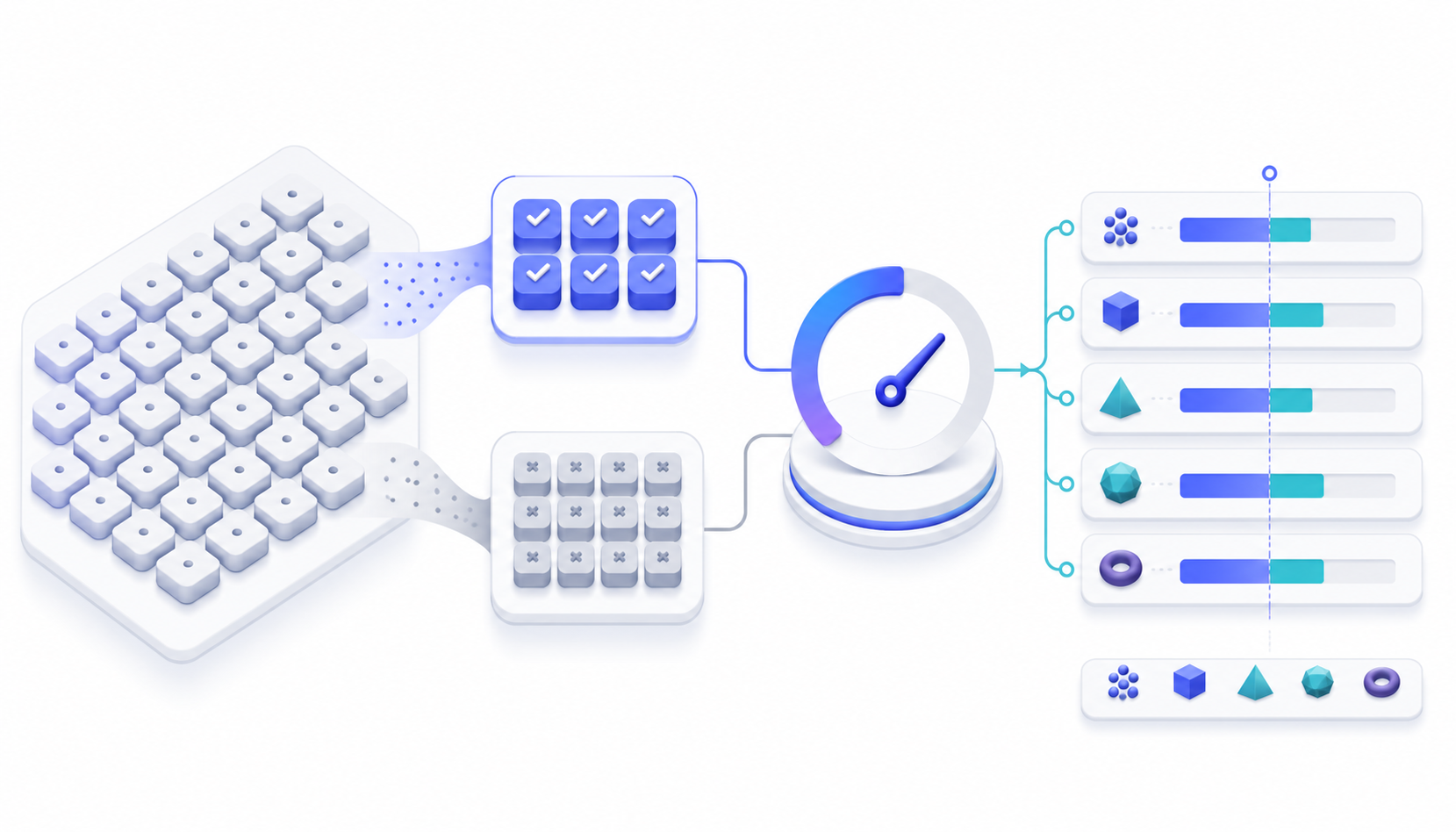
Sales win rate is the percentage of eligible, resolved sales opportunities that end as closed-won. Under the common closed-opportunity definition, it equals won opportunities divided by won plus lost opportunities for a documented population and time window.
销售赢率是符合资格且已有最终结果的商机中,以“成交”结束的比例。按照常用的已关闭商机口径,它等于在明确业务对象和时间窗内,成交商机数除以成交与失败商机数之和。
Win rate is a lagging sales-effectiveness metric. It helps teams judge how often qualified pipeline produces a win, compare outcomes across consistent groups, and investigate whether changes in qualification, product fit, positioning, pricing, process, or deal mix deserve attention. It does not, by itself, prove why a result changed.
赢率是销售有效性的滞后指标。它帮助团队判断合格管道多常产生成交、比较一致群组的结果,并调查资格判定、产品匹配、定位、定价、流程或交易结构的变化是否值得关注。但赢率本身不能证明结果变化的原因。
Of the eligible opportunities that reached a final outcome, what share did we win?
在符合资格且已有最终结果的商机中,我们赢得了多少?
How many leads entered the funnel, why a deal was lost, or whether the wins were profitable and retained.
有多少线索进入漏斗、交易为何失败,或成交是否有利润并持续留存。
Win Rate Formula销售赢率公式
The numerator is the count of eligible opportunities with the final outcome closed-won. The denominator is all eligible opportunities resolved as either won or lost under the same filters. Open, paused, or unresolved opportunities are normally excluded from this closed-opportunity version because their final outcomes are unknown.
分子是最终结果为“成交”的合格商机数;分母是在相同筛选条件下,最终结果为“成交”或“失败”的全部合格商机。按照这种已关闭商机口径,未关闭、暂停或结果未定的商机通常不进入分母,因为它们的最终结果尚不明确。
The denominator is a business rule, not a footnote. Some organizations divide wins by all opportunities created, all opportunities entering a qualified stage, or all proposals issued. Those can be useful conversion metrics, but they are not numerically comparable with closed-opportunity win rate. Name and document the version you use.
分母是业务规则,而不是脚注。有些组织用成交数除以全部新建商机、进入合格阶段的商机或已发方案的商机。这些转化指标可能有用,但不能与“已关闭商机赢率”直接比较。必须命名并记录所用口径。
For value-weighted analysis, calculate won value divided by the total value of won and lost eligible opportunities. Label it “value win rate” and show it beside count-based win rate. A team may win fewer deals but capture more value if its wins are larger; the two measures answer different questions.
若要按金额衡量,可用成交商机金额除以成交与失败合格商机的总金额,并把结果明确命名为“金额赢率”,与按数量计算的赢率并列展示。若成交交易更大,团队可能赢得较少交易却获得更多价值;两个指标回答不同问题。
Define the Win Rate Metric Contract定义销售赢率指标契约
A metric contract makes the result reproducible. Complete it before comparing teams or periods, and version it when CRM stages or eligibility rules change. A label such as “Q3 win rate” is incomplete unless readers can reconstruct the population behind it.
指标契约使结果可以复算。比较团队或期间之前应先完成契约;当 CRM 阶段或资格规则变化时,应建立新版本。“第三季度赢率”这样的名称并不完整,除非读者能够重建其背后的业务对象。
| Contract field契约字段 | Decision to record需要记录的决定 | Example示例 |
|---|---|---|
| Unit计算单位 | Opportunity, account, quote, or value商机、客户、报价或金额 | Distinct opportunity ID去重后的商机 ID |
| Eligibility资格规则 | Required stage, market, product, owner, and exclusions所需阶段、市场、产品、负责人和排除项 | Sales-qualified, new business only仅销售合格的新业务 |
| Outcome mapping结果映射 | Which CRM states mean won, lost, open, or invalid哪些 CRM 状态表示成交、失败、未关闭或无效 | Closed-won and closed-lost成交与失败 |
| Time basis时间依据 | Created cohort, close-date period, or stage-entry cohort创建 Cohort、关闭期间或阶段进入 Cohort | Close date in UTC+8UTC+8 的关闭日期 |
| Data treatment数据处理 | Duplicates, reopened deals, missing outcomes, currency, and snapshots重复、重开交易、缺失结果、币种和快照 | Latest valid final outcome最新有效最终结果 |
| Ownership责任归属 | Metric owner, source owner, refresh cadence, and version指标负责人、数据源负责人、刷新频率和版本 | Sales Ops, monthly, v1.2销售运营、每月、v1.2 |
Reusable Win Rate Calculation Template可复用的销售赢率计算模板
Copy the following structure into a spreadsheet, BI model, or analysis brief. Keep one row per reporting cohort and segment. Store counts and definitions—not only the final percentage—so reviewers can reconcile the result and distinguish a real change from a small-sample fluctuation.
可将以下结构复制到电子表格、BI 模型或分析简报中。每个报告 Cohort 与分群保留一行,并保存计数和定义,而不只保存最终百分比,以便复核者核对结果并区分真实变化与小样本波动。
| Field字段 | Entry or formula填写内容或公式 | Control控制检查 |
|---|---|---|
| Period / cohort期间 / Cohort | Start, end, time zone, and time basis开始、结束、时区和时间依据 | No overlapping windows时间窗不重叠 |
| Segment分群 | Team, region, product, source, or deal band团队、区域、产品、来源或交易金额区间 | One stable mapping使用稳定映射 |
| Won count成交数 | Distinct eligible opportunities mapped to won映射为成交的去重合格商机数 | Reconcile to CRM IDs与 CRM ID 核对 |
| Lost count失败数 | Distinct eligible opportunities mapped to lost映射为失败的去重合格商机数 | Include documented loss states包含已记录的失败状态 |
| Closed eligible已关闭合格数 | Won count + lost count成交数 + 失败数 | Exclude open and invalid排除未关闭和无效记录 |
| Win rate销售赢率 | Won count ÷ closed eligible × 100成交数 ÷ 已关闭合格数 × 100 | Return blank if denominator is zero分母为零时返回空值 |
| Sample flag样本标记 | Approved minimum volume or uncertainty label批准的最低样本量或不确定性标签 | Do not rank unstable groups不对不稳定分群排名 |
| Notes备注 | Definition version, exclusions, and known data issues定义版本、排除项和已知数据问题 | Link evidence or query链接证据或查询 |
Worked Win Rate Example销售赢率计算示例
Hypothetical example: a sales team reviews opportunities closed during one quarter. After deduplication and eligibility filters, 48 were closed-won and 112 were closed-lost. Another 27 opportunities remained open at quarter end, so they are excluded from the closed-opportunity calculation.
假设示例:某销售团队复盘一个季度内关闭的商机。去重并应用资格筛选后,48 个成交,112 个失败;另有 27 个商机在季度末仍未关闭,因此不进入已关闭商机口径的计算。
The correct interpretation is: “The team won 30% of the 160 eligible opportunities that reached a final outcome during the quarter.” It is not: “Thirty percent of all opportunities created in the quarter became customers,” because the cohort and denominator are different.
正确解读是:“该团队赢得了本季度内获得最终结果的 160 个合格商机中的 30%。”不能表述为“本季度创建的全部商机中有 30% 成为客户”,因为两者的 Cohort 和分母不同。
If the prior quarter was 34%, do not immediately conclude that execution deteriorated. First compare definition versions, closed volume, segment mix, sales-cycle timing, reopened deals, and data completeness. Then test hypotheses with opportunity-level evidence and win/loss reasons.
如果上一季度为 34%,不要立即认定销售执行恶化。应先比较定义版本、关闭样本量、分群结构、销售周期时点、重开交易和数据完整性,再使用商机级证据和赢单/输单原因检验假设。
Win Rate vs Close Rate and Conversion Rate销售赢率、成交率与转化率的区别
Terminology varies between organizations, so formulas matter more than labels. “Close rate” is sometimes used as a synonym for win rate and sometimes as wins divided by all leads or opportunities. “Conversion rate” can describe movement between any two funnel stages. Publish the explicit numerator and denominator beside each label.
不同组织的术语并不统一,因此公式比名称更重要。“成交率”有时与赢率同义,有时表示成交数除以全部线索或商机;“转化率”则可以描述漏斗任意两个阶段之间的转移。发布指标时应同时展示明确的分子和分母。
| Metric指标 | Typical denominator常见分母 | Primary use主要用途 |
|---|---|---|
| Closed-opportunity win rate已关闭商机赢率 | Eligible won + lost opportunities合格的成交 + 失败商机 | Outcome effectiveness after a final decision最终决策后的结果有效性 |
| Opportunity-to-customer rate商机到客户转化率 | All eligible opportunities in an entry cohort进入 Cohort 的全部合格商机 | End-to-end opportunity conversion端到端商机转化 |
| Stage conversion rate阶段转化率 | Cohort entering a specified stage进入指定阶段的 Cohort | Locate movement or leakage in the funnel定位漏斗中的流转或流失 |
| Value win rate金额赢率 | Total value of eligible won + lost opportunities合格成交与失败商机的总金额 | Measure share of contested value captured衡量获得的竞争价值份额 |
Choose Cohorts and Time Windows Carefully谨慎选择 Cohort 与时间窗
A close-date view groups outcomes by when deals closed. It is timely for operating reviews, but the opportunities may have been created in different periods and experienced different sales conditions. A created-cohort view follows opportunities created in the same window until they resolve, improving comparability but requiring enough time for maturation.
关闭日期视图按交易关闭时间归组,适合及时的运营复盘,但这些商机可能创建于不同期间,并经历不同销售条件。创建 Cohort 视图则持续跟踪同一时间窗创建的商机直至获得结果,可提高可比性,但需要足够的成熟时间。
Best for reporting resolved outcomes now. Watch for seasonality, slippage, and mixed opportunity ages.
适合报告当前已产生的最终结果。需注意季节性、延期和商机年龄混合。
Best for comparing acquisition or qualification cohorts. Show unresolved share and maturity cutoff.
适合比较获客或资格判定 Cohort。应展示未决比例和成熟截止规则。
Best for evaluating conversion from a defined qualified or proposal stage.
适合评估从规定的合格阶段或方案阶段开始的转化。
Never compare an immature cohort with a fully resolved cohort without labeling the difference. Faster, easier deals resolve first and can make early win rate appear better or worse than the eventual outcome. Preserve historical snapshots when amounts, owners, stages, or expected close dates can be overwritten.
不要在未标注差异的情况下,把未成熟 Cohort 与已完全产生结果的 Cohort 比较。更快、更容易的交易会先产生结果,使早期赢率看起来高于或低于最终结果。若金额、负责人、阶段或预计关闭日期会被覆盖,应保留历史快照。
Segment Win Rate Without Misleading Readers避免误导地进行销售赢率分群
Aggregate win rate can hide material differences in product, region, acquisition source, customer size, deal band, sales motion, competitor, and representative tenure. Segment only where the grouping can change a decision, and always show won count, lost count, closed total, and the metric definition beside the percentage.
总体赢率可能掩盖产品、区域、获客来源、客户规模、交易金额区间、销售模式、竞争对手和销售人员任职时间上的重要差异。只对能够改变决策的维度进行分群,并始终在百分比旁展示成交数、失败数、已关闭总数和指标定义。
- Compare like with like: hold the time basis, eligibility, currency treatment, and outcome mapping constant.同类比较:保持时间依据、资格规则、币种处理和结果映射一致。
- Label small samples: a high percentage from a handful of deals is not automatically a strong signal. Set an approved minimum volume or present uncertainty intervals.标记小样本:少数交易产生的高比例不一定是强信号。应设置批准的最低样本量或展示不确定性区间。
- Separate mix from performance: overall win rate can move because the share of easy and difficult segments changed, even if every segment stayed stable.区分结构与表现:即使每个分群保持稳定,容易与困难分群占比变化也会推动总体赢率变化。
- Avoid punitive rankings: rep comparisons require comparable territories, tenure, opportunity assignment, product mix, and sample size.避免惩罚性排名:比较销售人员时,需要可比的区域、任职时间、商机分配、产品结构和样本量。
A decision-focused data dashboard can present the headline rate, volume, trend, segment drill-down, and definition together. Keep the underlying opportunity list available for validation rather than turning the percentage into an untraceable score.
面向决策的数据仪表板可以同时展示总体赢率、样本量、趋势、分群下钻和定义。应保留底层商机列表用于验证,而不要把百分比变成无法追溯的评分。
What Is a Good Win Rate?什么是好的销售赢率?
There is no universal good win rate. The appropriate level depends on qualification threshold, product maturity, pricing, market competition, deal size, sales motion, customer segment, and where the denominator begins. An external benchmark is not useful unless its population and formula match yours.
不存在适用于所有企业的“好赢率”。合理水平取决于资格门槛、产品成熟度、定价、市场竞争、交易规模、销售模式、客户分群和分母起点。若外部基准的业务对象和公式与你不同,就不适合直接比较。
Use a stable internal baseline first: compare the same definition over time, explain volume and mix, and connect changes to decisions. A rising win rate can still be unhealthy if qualification became so strict that pipeline and revenue fell. A falling rate can accompany growth if a team deliberately entered a new market. Review revenue, pipeline creation, average deal value, cycle length, margin, and retention as guardrails.
应先使用稳定的内部基线:按相同定义进行时间比较,解释样本量和结构,并把变化连接到决策。如果资格判定过严,导致管道和收入下降,即使赢率上升也可能不健康;如果团队主动进入新市场,赢率下降也可能伴随增长。应同时检查收入、管道创建、平均交易金额、销售周期、毛利和留存作为护栏。
Clarify fit, need, buying process, stakeholders, timing, and disqualification rules before advancing deals.
推进交易前,明确匹配度、需求、采购流程、利益相关者、时点和取消资格规则。
Use consistent win/loss reasons, buyer evidence, and post-decision interviews; do not rely only on seller-selected labels.
使用一致的赢单/输单原因、买方证据和决策后访谈,不要只依赖销售人员选择的标签。
Define the intervention, eligible cohort, expected signal, guardrails, and review date before changing playbooks.
调整销售手册前,先定义干预、适用 Cohort、预期信号、护栏和复核日期。
Track discounts, margin, cycle time, retention, and deal value so higher win rate is not purchased at excessive cost.
跟踪折扣、毛利、周期、留存和交易金额,避免以过高成本换取更高赢率。
Analyze Win Rate Across Connected Sales Data跨已连接销售数据分析赢率
When opportunity outcomes, stage history, billing, product usage, and targets live in different systems, InfiniSynapse can work as an analysis layer across connected databases, warehouses, and files. Start with governed read access, authoritative table owners, business keys, the metric contract, and one bounded decision question.
当商机结果、阶段历史、账单、产品使用和目标分散在不同系统时,InfiniSynapse 可以作为连接数据库、数据仓库和文件之上的分析层。开始前应准备受治理的只读访问、权威表负责人、业务主键、指标契约和一个有边界的决策问题。
- Connect authoritative sources.连接权威数据源。
Identify the system of record for opportunity state, stage history, owner, value, and final outcome. Use the minimum permissions required.
明确商机状态、阶段历史、负责人、金额和最终结果的记录系统,并使用最低必要权限。
- State the calculation contract.说明计算契约。
Provide dates, time zone, cohort, eligibility, outcome mapping, exclusions, segments, and whether the rate is count- or value-based.
提供日期、时区、Cohort、资格规则、结果映射、排除项、分群,以及按数量还是金额计算。
- Validate before deciding.决策前进行验证。
Review selected records, joins, filters, numerator, denominator, unresolved share, and known totals. Treat generated explanations as hypotheses until supported by evidence.
检查所选记录、连接、筛选、分子、分母、未决比例和已知总数。生成的解释在得到证据支持前应视为假设。
Use InfiniSynapse to investigate opportunity outcomes with natural language, compare consistent segments, and retain an evidence trail for review. InfiniSynapse is not a CRM and does not execute lead routing, outreach, qualification, forecasting, or opportunity-stage changes.
使用 InfiniSynapse 通过自然语言调查商机结果、比较一致分群并保留可复核的证据链。InfiniSynapse 不是 CRM,也不执行线索路由、销售触达、资格判定、预测或商机阶段变更。
Try cross-source analysis体验跨源分析Win Rate Validation Checklist销售赢率验证清单
- Reconcile outcomes: trace won and lost counts to distinct opportunity IDs in the authoritative CRM extract.核对结果:把成交和失败计数追溯到权威 CRM 导出中的去重商机 ID。
- Confirm the denominator: quantify open, paused, deleted, duplicate, test, disqualified, and missing-outcome records separately.确认分母:分别量化未关闭、暂停、删除、重复、测试、取消资格和缺失结果的记录。
- Test time logic: verify timestamps, time zone, quarter boundaries, cohort maturity, and reopened-deal treatment.检验时间逻辑:验证时间戳、时区、季度边界、Cohort 成熟度和重开交易处理。
- Inspect joins: ensure stage history, account, activity, and billing joins do not multiply opportunities or value.检查连接:确保阶段历史、客户、活动和账单连接不会放大商机数或金额。
- Show sample size: publish won, lost, and closed counts with each rate and flag unstable segments.展示样本量:随每个赢率发布成交、失败和已关闭数量,并标记不稳定分群。
- Preserve reproducibility: retain the query, source timestamp, definition version, parameters, exclusions, and review date.保留可复算性:保留查询、数据源时间戳、定义版本、参数、排除项和复核日期。
Win Rate FAQ销售赢率常见问题
Sales win rate is the percentage of eligible, resolved opportunities that end as closed-won. Under the common closed-opportunity definition, it measures wins divided by wins plus losses.
销售赢率是符合资格且已有最终结果的商机中,以成交结束的比例。按常用已关闭商机口径,它等于成交数除以成交数与失败数之和。
Divide won opportunities by the sum of won and lost eligible opportunities, then multiply by 100. Document the unit, eligibility, outcome mapping, cohort, dates, exclusions, and definition version.
用成交商机数除以成交与失败合格商机数之和,再乘以 100。同时记录计算单位、资格规则、结果映射、Cohort、日期、排除项和定义版本。
There is no universal good rate. Use a stable internal baseline and compare like-for-like cohorts, while reviewing volume, pipeline, deal value, cycle length, margin, and retention as guardrails.
不存在通用的好赢率。应使用稳定的内部基线比较同类 Cohort,并同时检查样本量、管道、交易金额、销售周期、毛利和留存等护栏。
Sometimes, but terminology varies. Some teams use close rate for wins divided by all leads or opportunities. Publish the numerator and denominator so readers know whether the measures are comparable.
有时相同,但术语因组织而异。有些团队把成交率定义为成交数除以全部线索或商机。应发布分子和分母,让读者判断指标是否可比。
Not in the common closed-opportunity version, because their outcomes are unresolved. If your organization uses all created or qualified opportunities, label that conversion metric clearly and do not compare it directly with closed-opportunity win rate.
按照常用的已关闭商机口径,不应包含,因为结果尚未确定。如果组织使用全部新建或合格商机,应清楚命名该转化指标,不要与已关闭商机赢率直接比较。
No. InfiniSynapse can analyze connected databases, warehouses, and files, but it does not replace CRM workflow functions such as lead routing, outreach, qualification, forecasting, or opportunity-stage execution.
不能。InfiniSynapse 可以分析已连接的数据库、数据仓库和文件,但不替代 CRM 中的线索路由、销售触达、资格判定、预测或商机阶段执行。