On this page本页目录
What is a limitation of liability clause?什么是责任限制条款?
Quick answer: A limitation of liability clause allocates financial risk by restricting the amount, types, causes, or timing of recoverable loss if contractual duties are breached or other specified claims arise. It may create a monetary cap, exclude certain damages, set special subcaps, define exceptions, or limit available remedies. Its effect depends on the complete wording, applicable law, contract type, parties, bargaining context, and facts.
快速答案:责任限制条款通过限制合同违约或其他特定请求中可获得赔偿的金额、损失类型、原因或时间来分配财务风险。它可以设置金额上限、排除某些损害、建立特别子上限、规定例外或限制可用救济。其效果取决于完整文字、适用法律、合同类型、主体、谈判背景与事实。
The clause is not just a cap number. A complete mechanism answers whose liability is limited, which legal theories and obligations are covered, what losses are excluded, how claims are grouped, which amounts form the cap base, what period applies, which liabilities are carved out, whether defense costs consume the cap, and how the provision relates to indemnity, insurance, service credits, liquidated damages, termination, and exclusive remedies.
该条款并不只是一个上限数字。完整机制应回答:限制谁的责任;涵盖哪些法律请求和义务;排除什么损失;索赔如何归组;哪些金额构成上限基数;适用何种期间;哪些责任属于例外;抗辩费用是否消耗上限;以及与赔偿、保险、服务抵扣、约定损害赔偿、终止和唯一救济如何衔接。
A limitation differs from a release, waiver, indemnity, warranty disclaimer, exclusive remedy, or exculpatory clause, although one section may contain several of these devices. Identify the legal and commercial function of each sentence rather than relying on the heading. A clause labeled “limitation” may attempt to eliminate liability entirely for one category while leaving another uncapped.
责任限制不同于解除、弃权、赔偿、保证免责声明、唯一救济或免责条款,尽管同一章节可能包含多种机制。应识别每句话的法律和商业功能,而不能只看标题。名为“责任限制”的条款可能试图完全排除某一类责任,同时让另一类责任不受上限约束。
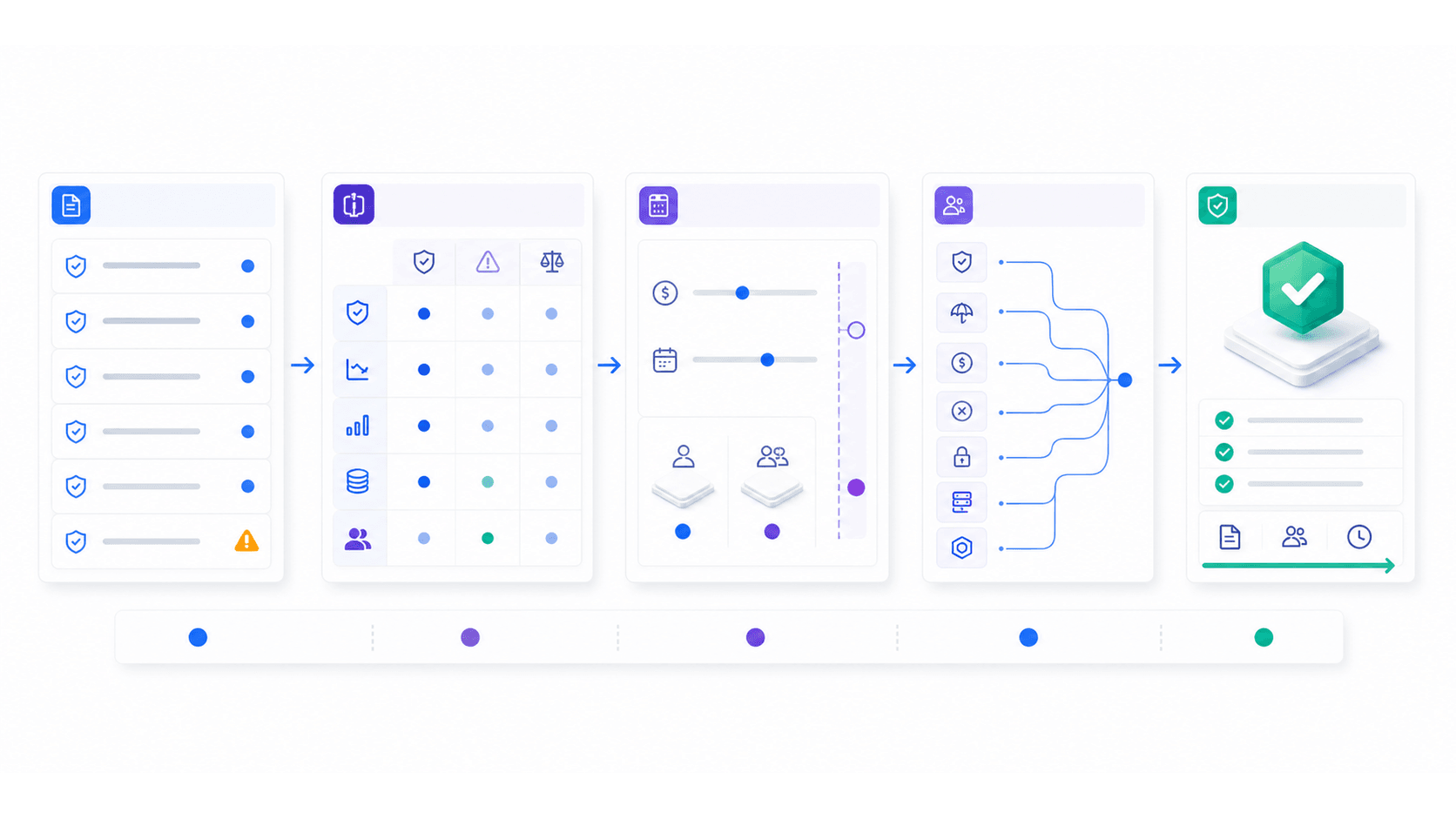
Read the clause as a layered risk system把条款作为分层风险系统阅读
Determines which categories cannot be recovered, sometimes regardless of the cap.
确定哪些损失类别不得获得赔偿,有时不论责任上限如何。
Sets the ordinary maximum for covered claims and defines the calculation base and period.
为普通请求设置最高金额,并定义计算基数和期间。
Assigns different ceilings to risks such as data incidents, confidentiality, or service credits.
为数据事件、保密或服务抵扣等风险分配不同上限。
Identifies liabilities outside a cap, subject to law and the clause’s exact wording.
识别位于上限之外的责任,但仍受法律与具体文字约束。
Apply the layers in order to each scenario. A data-loss claim may be excluded as consequential loss, restored by a data-security carve-out, then subjected to a special two-times-fees cap. Without a clear order, apparently protective language can cancel itself out. The agreement should state whether an exception removes both the exclusion and the cap, only one of them, or neither.
应按顺序把各层应用到每个情景。数据损失请求可能先被作为后果性损失排除,再因数据安全例外恢复,随后又受两倍费用特别上限约束。如果没有明确顺序,看似保护性的文字可能互相抵销。协议应说明例外是同时排除损失排除与上限,仅排除其中一个,还是两者均不排除。
Define parties, claims, and legal theories界定主体、请求与法律理论
Start with who receives protection. Does the clause cover only the contracting entities, or also affiliates, directors, employees, contractors, licensors, suppliers, agents, customers, and successors? Is protection mutual or one-way? A broad protected group can reduce exposure but may create rights for nonparties, conflict with indemnity, or exceed the parties’ intended allocation.
首先确定谁受到保护。条款只覆盖签约主体,还是也覆盖关联方、董事、员工、承包商、许可方、供应商、代理、客户与继受人?保护是双向还是单向?广泛的保护群体可以降低风险,但可能为非合同方创造权利、与赔偿条款冲突,或超出双方原定分配。
Next identify covered causes of action. Clauses often refer to contract, tort, negligence, misrepresentation, restitution, statute, strict liability, or “any theory.” That breadth does not guarantee every claim is legally limitable. Review mandatory duties, public policy, fraud rules, personal-injury restrictions, consumer protections, and industry-specific requirements under the governing law.
然后识别涵盖的请求权基础。条款常提到合同、侵权、过失、失实陈述、不当得利、成文法、严格责任或“任何理论”。范围宽并不保证每种请求都能合法限制。应根据适用法律审查强制义务、公共政策、欺诈规则、人身伤害限制、消费者保护与行业特殊要求。
Finally, connect scope to obligations. A clause may cover “claims arising under the agreement” but not claims connected with separate order forms, professional services, data-processing terms, statements of work, or precontract representations. Define whether related agreements share one cap or retain independent limits.
最后,把范围连接到具体义务。条款可能涵盖“因本协议产生的请求”,却不一定覆盖独立订单、专业服务、数据处理条款、工作说明或合同前陈述。应定义关联合同共享一个上限,还是各自保留独立限制。
Classify direct, indirect, and consequential losses carefully谨慎分类直接、间接与后果性损失
Labels such as direct, indirect, incidental, special, exemplary, punitive, and consequential damages can be interpreted differently across jurisdictions and contracts. Do not assume “consequential” automatically captures lost profits, revenue, savings, data, goodwill, business interruption, or replacement costs. List important categories explicitly and check whether they can also arise as direct loss in the contemplated transaction.
直接、间接、附带、特殊、惩罚性和后果性损害等名称,在不同法域与合同中可能有不同解释。不要假设“后果性”自动包含利润、收入、节省、数据、商誉、业务中断或替代成本损失。应明确列出重要类别,并检查它们在具体交易中是否也可能构成直接损失。
Use factual scenarios. If a hosted payroll system fails, the customer may incur manual processing, employee claims, regulatory costs, replacement services, and lost productivity. If a supplier misses a critical component delivery, the buyer may face line stoppage, expedited sourcing, customer chargebacks, and lost sales. Classify each loss under the proposed wording, then ask whether the allocation matches pricing and operational responsibility.
应使用事实情景。如果托管薪资系统失效,客户可能承担人工处理、员工请求、监管成本、替代服务与生产力损失;如果供应商错过关键部件交付,买方可能面临停线、加急采购、客户扣款与销售损失。把每项损失放入拟议文字中分类,再判断该分配是否与定价和运营责任匹配。
Avoid circular exceptions. Wording that excludes lost profits “whether direct or indirect” but later preserves “direct damages” can remain unclear. Similarly, excluding data loss while promising restoration, backup, security, or regulatory response may leave the core remedy hollow. Define recoverable remediation costs where the business expects them to survive.
应避免循环例外。若条款排除“无论直接或间接”的利润损失,后文又保留“直接损害”,仍可能含糊。同样,在承诺恢复、备份、安全或监管响应时排除数据损失,可能让核心救济落空。业务预期继续可获得的补救成本应明确界定。
Build a cap that can actually be calculated建立真正可以计算的责任上限
| Element要素 | Common options常见选项 | Review question审查问题 |
|---|---|---|
| Base基数 | Fees paid, paid and payable, contract value, affected order, fixed amount.已付费用、已付与应付费用、合同价值、受影响订单、固定金额。 | Does the base reflect the risk-bearing transaction?基数是否反映承担风险的交易? |
| Lookback回溯期 | Previous 3, 6, 12, or 24 months; contract term.此前 3、6、12 或 24 个月;合同期限。 | What happens early in the term or before fees are paid?合同早期或费用支付前如何处理? |
| Aggregation聚合 | Per claim, related claims, event, year, order, or aggregate.按请求、相关请求、事件、年度、订单或累计。 | Can one incident create several caps?一个事件是否可能形成多个上限? |
| Multiple tiers多级上限 | General cap, subcap, supercap, uncapped exposure.一般上限、子上限、较高上限、不受限责任。 | Which tier controls each claim and overlap?每项请求及其重叠由哪一级控制? |
Define the denominator precisely. “Fees under this agreement” may include all global affiliates and work orders—or only the claimant’s affected service. State whether taxes, pass-through costs, reimbursable expenses, credits, discounts, refunds, hardware, and third-party charges count. If fees are recurring, explain the date from which the lookback is measured.
应准确界定分母。“本协议项下费用”可能包含全球所有关联方与订单,也可能只包括请求方的受影响服务。需要说明税费、转付成本、可报销费用、抵扣、折扣、退款、硬件与第三方费用是否计入。若费用为周期性支付,应说明回溯期从哪个日期计算。
Test zero-fee and low-fee periods. A cap based solely on amounts paid can be zero before launch, during a free trial, or where fees are paid to an affiliate. Consider a fixed floor, forecast amount, annualized fees, or other structure when commercially and legally appropriate. Avoid a formula whose inputs are controlled only by the party benefiting from the limitation.
应测试零费用与低费用期间。仅以已付金额为基础的上限,在上线前、免费试用期间或费用支付给关联方时可能为零。在商业和法律上适当时,可以考虑固定最低额、预测金额、年化费用或其他结构。应避免公式输入完全由受益于限制的一方控制。
Define “claim,” “event,” and related claims定义“请求”“事件”与相关请求
A per-claim cap can multiply exposure if one operational failure generates claims by several affiliates, users, orders, or legal theories. An aggregate cap can exhaust early and leave no remaining protection for later incidents. Define whether claims are grouped by common cause, series of related acts, continuous failure, same vulnerability, same project, same statement of work, or same affected customer.
如果一次运营失败产生多个关联方、用户、订单或法律理论的请求,按请求上限可能成倍增加风险;累计上限则可能过早耗尽,使后续事件没有剩余保障。应定义请求是否按照共同原因、一系列相关行为、持续失败、同一漏洞、同一项目、同一工作说明或同一受影响客户归组。
Set the relevant period. Is the aggregate measured per contract year, calendar year, insurance year, rolling twelve months, term, or all time? Which date allocates a claim: conduct, breach, discovery, notice, payment, or filing? Long-running incidents can cross boundaries. State how they are assigned and whether renewed agreements reset the cap.
还要确定相关期间。累计上限是按合同年度、自然年度、保险年度、滚动十二个月、合同期限还是全部期间衡量?请求以行为、违约、发现、通知、付款还是提交日期归入期间?持续事件可能跨越边界,应说明如何分配,以及续签是否重置上限。
Coordinate multi-party structures. A customer group may want a shared cap across all suppliers; a supplier group may seek one cap for all customer affiliates. Check guarantees, subcontractors, pass-through claims, third-party beneficiaries, assignment, and whether an indemnified third-party claim consumes the same aggregate as direct claims.
应协调多方结构。客户集团可能希望所有供应商共享上限,供应商集团则可能要求所有客户关联方共用一个上限。需要检查保证、分包商、转递请求、第三方受益人、转让,以及受赔偿第三方请求是否消耗与直接请求相同的累计上限。
Design carve-outs without creating hidden unlimited risk设计例外并避免隐藏的无限风险
Common negotiated exceptions involve payment obligations, fraud, willful misconduct, gross negligence, confidentiality, data protection, security incidents, intellectual-property infringement, indemnity, bodily injury, property damage, employment claims, and liabilities that law does not permit parties to limit. None should be copied automatically. Ask what conduct or harm is being protected, whether the term is defined, who controls the risk, and whether insurance or pricing supports the exposure.
常见谈判例外包括付款义务、欺诈、故意不当行为、重大过失、保密、数据保护、安全事件、知识产权侵权、赔偿、人身伤害、财产损害、雇佣请求以及法律不允许限制的责任。不能自动复制这些例外。应询问保护何种行为或损失、术语是否定义、谁控制风险,以及保险或定价是否支持该风险敞口。
A carve-out can mean different things. It may remove liability from the monetary cap, restore an otherwise excluded damage category, remove an exclusive remedy, or do all three. State the intended effect explicitly. For risks too large to leave uncapped, a separate supercap—such as a multiple of fees or a fixed insured amount—may provide a measurable allocation.
例外可能具有不同效果:把责任移出金额上限;恢复原本排除的损失类别;排除唯一救济;或同时实现三者。应明确说明预期效果。对于不适合完全不设上限的高风险,可以使用费用倍数或固定保险金额等特别较高上限,形成可衡量分配。
Avoid circular drafting such as “all indemnity obligations are uncapped” when the indemnity section includes first-party breach claims that duplicate ordinary damages. Conversely, saying “all damages are capped” may unintentionally cap reimbursement of defense costs or third-party settlements that the indemnity was designed to cover. Map each exception to the exact obligation and loss.
应避免循环起草,例如规定“所有赔偿义务均不设上限”,但赔偿章节又包含与普通损害重复的第一方违约请求。相反,“所有损害均受上限约束”可能无意限制赔偿原本要覆盖的抗辩费用或第三方和解。应把每项例外连接到准确义务与损失。
Coordinate limitation, indemnity, and insurance协调责任限制、赔偿与保险
An indemnity allocates responsibility for specified claims and often adds notice, defense, settlement, cooperation, and reimbursement mechanics. A limitation clause controls financial exposure. They should be read together. Determine whether indemnified claims are inside the general cap, subject to a separate cap, or uncapped; whether defense costs erode the cap; and whether settlements, judgments, regulatory amounts, expert costs, and remediation expenses are included.
赔偿条款为特定请求分配责任,通常还增加通知、抗辩、和解、协作与报销机制;责任限制条款则控制财务风险。两者必须一起阅读。应判断受赔偿请求计入一般上限、适用单独上限还是不受限制;抗辩费用是否消耗上限;以及和解、判决、监管金额、专家费用与补救成本是否计入。
Use the dedicated indemnification clause guide to test trigger, covered claims, beneficiaries, exclusions, defense control, settlement consent, and survival. A broad indemnity should not be treated as automatically outside the cap.
可使用赔偿条款指南测试触发、涵盖请求、受益人、排除、抗辩控制、和解同意与存续。不能假设范围广泛的赔偿义务自动位于上限之外。
Insurance is not identical to liability. Policy limits, deductibles, retentions, exclusions, conditions, territory, claims-made dates, defense treatment, and aggregate erosion may differ from the contract. Requiring insurance does not guarantee a claim is covered, and limiting liability to available insurance can create uncertainty. Compare the contractual cap and carve-outs with actual policies and renewal obligations.
保险并不等同于合同责任。保单限额、免赔额、自留额、排除、条件、地域、索赔提出日期、抗辩处理与累计消耗可能与合同不同。要求投保并不保证具体请求获得承保,把责任限制为可用保险也可能产生不确定。应把合同上限与例外同实际保单及续保义务比较。
Test exclusive remedies and essential-purpose failure测试唯一救济与核心目的失效
Contracts often limit a customer to repair, replacement, re-performance, refund, or service credits. State whether the remedy is optional or exclusive and what happens if it cannot be delivered, is repeatedly unsuccessful, arrives too late, or leaves the customer without the substantial value promised. Under some applicable law, an exclusive or limited remedy may fail of its essential purpose, affecting other remedies.
合同常把客户救济限制为修理、替换、重新履行、退款或服务抵扣。应说明救济是可选还是唯一,以及无法提供、反复失败、提供过迟或无法让客户获得承诺的实质价值时如何处理。在某些适用法律下,唯一或有限救济可能失去其核心目的,从而影响其他救济。
Define the fallback rather than relying on litigation to fill the gap. Possible paths include repeated cure, substitute performance, refund of affected fees, transition assistance, termination, a special cap, or restoration of specified damages. Connect the fallback to severity, duration, notice, evidence, and business continuity.
应定义备用路径,而不是依赖诉讼填补空白。可能路径包括再次补救、替代履行、退还受影响费用、过渡协助、终止、特别上限或恢复特定损害。备用方案应与严重程度、持续时间、通知、证据与业务连续性相连接。
Also coordinate service credits and liquidated damages. Are they price adjustments, sole remedies, offsets, or amounts that consume the cap? If chronic service failure permits termination, determine whether accrued credits or agreed damages survive and whether transition costs remain recoverable.
还应协调服务抵扣与约定损害赔偿。它们属于价格调整、唯一救济、抵扣还是消耗上限的金额?如果持续服务失败允许终止,应判断已累计抵扣或约定赔偿是否存续,以及过渡成本能否获得赔偿。
Apply the clause to common contract scenarios把条款应用于常见合同场景
SaaS and cloud services: Model outages, data loss, security incidents, failed backup, regulatory response, migration, and third-party platform failure. Test whether lost data, restoration costs, customer notifications, credits, and substitute services are excluded, capped, or placed under a security supercap.
SaaS 与云服务:模拟中断、数据丢失、安全事件、备份失败、监管响应、迁移与第三方平台故障。测试数据损失、恢复成本、客户通知、服务抵扣与替代服务是被排除、受限还是适用安全特别上限。
Professional services: Examine deliverable defects, missed advice, re-performance, project delay, confidentiality, intellectual property, reliance, and downstream decisions. A fees-based cap may be too low early in a project or too broad if calculated across unrelated engagements.
专业服务:检查交付缺陷、建议遗漏、重新履行、项目延期、保密、知识产权、依赖与下游决定。按费用计算的上限在项目早期可能过低,如果跨越无关项目计算又可能过宽。
Supply and manufacturing: Test defective goods, line stoppage, recall, rejected product, replacement, warranty, customer chargebacks, bodily injury, property damage, and upstream recovery. Separate warranty remedies from indemnified third-party claims and ordinary breach damages.
供应与制造:测试缺陷货物、停线、召回、拒收、替换、保证、客户扣款、人身伤害、财产损害与上游追偿。应把保证救济与受赔偿第三方请求及普通违约损害区分。
Software and IP licenses: Review infringement claims, unauthorized use, audit findings, open-source obligations, license fees, confidentiality, and injunctive relief. Distinguish the licensee’s payment obligations from damages and determine whether an infringement indemnity has its own cap.
软件与知识产权许可:审查侵权请求、未经授权的使用、审计发现、开源义务、许可费用、保密与禁令救济。应区分被许可方付款义务与损害赔偿,并判断侵权赔偿是否有独立上限。
Consumer, employment, and regulated arrangements: Standard commercial language may not transfer safely. Mandatory statutes, unequal bargaining power, personal injury, wages, privacy, professional duties, and public policy may limit available exclusions or caps. Obtain jurisdiction-specific review.
消费者、雇佣与受监管安排:标准商业文字未必可以直接移植。强制性法律、谈判地位不平等、人身伤害、工资、隐私、专业义务与公共政策可能限制可用排除或上限,应取得特定法域审核。
Illustrative structure for issue spotting用于识别问题的示例结构
The following is a review framework, not ready-to-sign language. A tailored clause usually needs connected components:
以下内容是审查框架,并非可直接签署的条款。定制责任限制条款通常需要以下相互衔接的组成部分:
- Protected parties and claims: identify who benefits and which contracts, obligations, legal theories, and claimants are covered.受保护主体与请求:识别谁受益,以及涵盖哪些合同、义务、法律理论与请求人。
- Excluded losses: list categories precisely and state whether direct versions of named losses remain excluded.排除损失:准确列出类别,并说明所列损失的直接形式是否仍被排除。
- General cap: define amount, fee base, affected scope, lookback, currency, taxes, credits, floor, and calculation date.一般上限:定义金额、费用基数、受影响范围、回溯期、币种、税费、抵扣、最低额与计算日。
- Aggregation: define claim, event, related series, contract year, affiliates, orders, and cap exhaustion.聚合:定义请求、事件、相关系列、合同年度、关联方、订单与上限耗尽。
- Carve-outs and tiers: map each exception to exclusions, caps, subcaps, supercaps, and mandatory liabilities.例外与层级:把每项例外连接到排除、上限、子上限、较高上限与强制责任。
- Remedy links: coordinate indemnity, insurance, defense costs, service credits, agreed damages, cure, termination, and survival.救济衔接:协调赔偿、保险、抗辩费用、服务抵扣、约定赔偿、补救、终止与存续。
Do not copy a cap percentage or carve-out list from another agreement without analyzing the transaction. Risk control, contract value, margin, insurance, party sophistication, mandatory law, operational dependence, and potential harm may be materially different.
不要在未分析交易的情况下,从其他协议复制上限比例或例外清单。风险控制、合同价值、利润、保险、主体经验、强制性法律、运营依赖与潜在损失可能存在重大差异。
A step-by-step limitation review workflow责任限制逐步审查工作流
- Collect the complete contract set收集完整合同文件Include master terms, orders, amendments, service levels, data terms, security schedules, insurance requirements, warranties, and local addenda. Record versions and priority.包括主协议、订单、修订、服务水平、数据条款、安全附表、保险要求、保证与当地附录,并记录版本与优先顺序。
- Extract every limiting mechanism提取所有限制机制Capture excluded losses, caps, subcaps, carve-outs, exclusive remedies, disclaimers, limitation periods, indemnity treatment, defense costs, and survival with citations.按引用提取损失排除、上限、子上限、例外、唯一救济、免责声明、时限、赔偿处理、抗辩费用与存续。
- Build a claim matrix建立请求矩阵For each obligation and scenario, identify claimant, theory, loss, exclusion, cap tier, aggregation, remedy, insurance, and unresolved assumptions.对每项义务与情景识别请求人、理论、损失、排除、上限层级、聚合、救济、保险与未解决假设。
- Calculate the cap计算责任上限Test launch, low-fee, mature, renewal, multi-order, affiliate, repeated, simultaneous, and post-termination cases. Verify denominator and dates independently.测试上线、低费用、成熟、续签、多订单、关联方、重复、同时发生与终止后情景,并独立核对分母与日期。
- Run severity scenarios运行严重程度情景Model expected, severe, catastrophic, insured, uninsured, third-party, regulatory, data, IP, personal-injury, and business-interruption events.模拟预期、严重、灾难、已保险、未保险、第三方、监管、数据、知识产权、人身伤害与业务中断事件。
- Verify law and assign decisions核对法律并分配决策Confirm current jurisdiction-specific limits and give legal, finance, security, privacy, insurance, procurement, and business owners the decisions they control.确认现行法域限制,并把相关决定分配给法务、财务、安全、隐私、保险、采购与业务负责人。
Limitation of liability clause review checklist责任限制条款审查清单
- Are protected parties, claimants, agreements, obligations, and legal theories defined?受保护主体、请求人、协议、义务与法律理论是否定义?
- Are excluded losses listed precisely, including whether named direct losses are excluded?排除损失是否准确列出,包括所列直接损失是否被排除?
- Is the general cap base, scope, lookback period, date, currency, floor, and treatment of taxes and credits clear?一般上限的基数、范围、回溯期、日期、币种、最低额及税费与抵扣处理是否清晰?
- Are per-claim, event, related-claim, annual, order, and aggregate rules workable?按请求、事件、相关请求、年度、订单与累计规则是否可执行?
- Does each carve-out clearly affect the exclusion, cap, remedy, or all three?每项例外是否明确影响损失排除、上限、救济或三者?
- Are subcaps and supercaps assigned to exact obligations and loss categories?子上限与较高上限是否连接到准确义务与损失类别?
- Are indemnity claims, defense costs, settlements, judgments, and remediation inside or outside the cap?赔偿请求、抗辩费用、和解、判决与补救成本是否计入上限?
- Does actual insurance align with the contractual risk rather than merely the stated policy limit?实际保险是否与合同风险一致,而不只是与书面保单限额一致?
- Are service credits, agreed damages, refunds, re-performance, and termination coordinated?服务抵扣、约定赔偿、退款、重新履行与终止是否协调?
- What happens if an exclusive or limited remedy cannot provide its essential value?如果唯一或有限救济无法提供核心价值,会发生什么?
- Has qualified review confirmed mandatory, consumer, employment, negligence, personal-injury, and public-policy restrictions?具备资质的审核是否确认强制性、消费者、雇佣、过失、人身伤害与公共政策限制?
Use this focused list with the broader contract review checklist. Definitions, precedence, amendments, related orders, survival, and dispute clauses can change the final allocation.
应把本清单与更完整的合同审查清单结合使用。定义、优先顺序、修订、关联订单、存续与争议条款都可能改变最终分配。
Red flags and common drafting mistakes风险信号与常见起草错误
Escalate a zero or nominal cap, a cap based on fees paid before any fees exist, exclusions that remove the transaction’s central remedy, “all claims” language that conflicts with indemnity, unclear treatment of direct lost profits, undefined related claims, and an exception that appears uncapped only because punctuation is ambiguous. Also flag a clause that promises universal enforceability.
以下情况应升级审核:零上限或名义上限;在尚未支付费用前以已付费用计算;损失排除移除交易核心救济;“所有请求”与赔偿冲突;直接利润损失处理不明;相关请求未定义;或仅因标点含糊而看似不受限的例外。声称全球均可执行的条款也应标记。
Operational mistakes include no cap calculation date, no treatment of taxes or credits, no rule for renewals, affiliates, or multiple orders, defense costs silently eroding the cap, insurance that does not cover carve-outs, service credits that duplicate damages, and survival language that ends the limitation while claims can still arise.
运营错误包括:没有上限计算日;未处理税费或抵扣;缺少续签、关联方或多订单规则;抗辩费用在未说明的情况下消耗上限;保险不覆盖例外;服务抵扣与损害重复;以及请求仍可能发生时存续文字却让限制失效。
Search the full document for “liable,” “liability,” “damages,” “loss,” “cap,” “limit,” “exclude,” “sole remedy,” “indemnity,” “insurance,” “credit,” “refund,” “setoff,” “survive,” and “notwithstanding.” A local term in an order or data schedule can reverse the apparent result.
应在完整文件中搜索“责任”“损害”“损失”“上限”“限制”“排除”“唯一救济”“赔偿”“保险”“抵扣”“退款”“抵销”“存续”和“尽管”等词。订单或数据附表中的局部文字可能反转表面结果。
Use AI for a traceable first-pass review使用 AI 进行可追溯的第一轮审查
AI can organize a first pass when every output remains tied to the source. Provide the complete agreement set, amendments, orders, pricing, insurance requirements, governing law, party roles, transaction purpose, data and security schedules, service levels, and commercial assumptions. Ask the system to extract protected parties, legal theories, excluded losses, cap formulas, periods, aggregation, carve-outs, indemnity treatment, defense costs, insurance, remedies, termination, and survival with citations.
当每项输出都能回到原文时,AI 可以帮助整理第一轮审查。应提供完整协议、修订、订单、定价、保险要求、适用法律、双方角色、交易目的、数据与安全附表、服务水平与商业假设。要求系统按引用提取受保护主体、法律理论、损失排除、上限公式、期间、聚合、例外、赔偿处理、抗辩费用、保险、救济、终止与存续。
Require “not found” instead of guessed terms. Recalculate each cap independently and test example claims through every layer. Compare the output with definitions, negations, exceptions, amendments, schedules, and priority rules. Protect confidential information and follow organizational data-handling requirements.
缺失内容应返回“未找到”,而不是猜测。独立重算每个上限,并让示例请求通过所有层级。把输出与定义、否定词、例外、修订、附表和优先顺序比较。保护机密信息并遵守组织的数据处理要求。
AI cannot determine enforceability, classify every loss, predict judicial interpretation, verify insurance coverage, select an appropriate cap, approve risk, or replace qualified counsel. Human review must confirm the complete contract, current law, facts, evidence, authority, financial exposure, insurance, and business tolerance. High-value, regulated, consumer, employment, cross-border, personal-injury, data, IP, or unusual arrangements require appropriate professional review.
AI 不能判断可执行性,不能对每项损失作出法律分类,不能预测司法解释,不能核实保险承保,不能选择适当上限,不能批准风险,也不能替代具备资质的律师。人工必须确认完整合同、现行法律、事实、证据、权限、财务风险、保险与业务承受能力。高价值、受监管、消费者、雇佣、跨境、人身伤害、数据、知识产权或异常安排需要适当专业审核。
Turn the clause into a liability decision map把条款转换为责任决策地图
Prepare the complete agreement and risk assumptions. Organize loss categories, cap inputs, aggregation, carve-outs, remedy dependencies, insurance, and exact citations—then take unresolved legal and financial decisions to the responsible reviewer.
准备完整协议与风险假设,按照准确引用整理损失类别、上限输入、聚合、例外、救济依赖与保险,再把尚未解决的法律和财务决定交给相应审核人员。
Limitation of liability clause FAQ责任限制条款常见问题
What does a limitation of liability clause do?
责任限制条款有什么作用?
It limits specified financial exposure by capping amounts, excluding loss categories, assigning different tiers, or restricting remedies, subject to applicable law and the complete contract.
它通过金额上限、损失类别排除、不同层级或救济限制控制特定财务风险,但仍受适用法律与完整合同约束。
What is a liability cap?
什么是责任上限?
A liability cap is the maximum amount recoverable for covered claims. Its operation depends on the fee base or fixed amount, period, scope, aggregation, carve-outs, and calculation rules.
责任上限是涵盖请求可以获得赔偿的最高金额,其效果取决于费用基数或固定金额、期间、范围、聚合、例外与计算规则。
Are indirect and consequential damages the same?
间接损害与后果性损害相同吗?
Not necessarily. Meaning depends on applicable law and wording. Important losses such as profits, data, and replacement costs should be addressed expressly rather than by labels alone.
不一定。含义取决于适用法律与文字。利润、数据与替代成本等重要损失应明确处理,而不能只依赖名称。
Does indemnity sit outside the liability cap?
赔偿义务一定在责任上限之外吗?
No automatic rule applies across all contracts. The limitation and indemnity sections should state whether particular indemnified claims, defense costs, and settlements are capped, specially capped, or uncapped.
并不存在适用于所有合同的自动规则。责任限制与赔偿章节应说明特定受赔偿请求、抗辩费用与和解是否受限、适用特别上限或不受限。
Can AI approve a liability cap?
AI 可以批准责任上限吗?
No. AI can extract clauses, recalculate formulas, and map dependencies. Approval requires current law, facts, complete documents, insurance, financial analysis, authority, and qualified review.
不能。AI 可以提取条款、重算公式与绘制依赖;批准仍需要现行法律、事实、完整文件、保险、财务分析、权限与具备资质的审核。
Sources and Method来源与方法
- Cornell Legal Information Institute — UCC section 2-719 on contractual modification or limitation of remedy康奈尔法律信息研究所 — UCC 第 2-719 条关于合同救济的修改或限制
- Cornell Legal Information Institute — Exculpatory clause overview and public-policy context康奈尔法律信息研究所 — 免责条款概览与公共政策背景
- UK Legislation — Unfair Contract Terms Act 1977 as a jurisdiction-specific statutory reference英国立法网站 — 作为特定法域成文法参考的《1977 年不公平合同条款法》
- Cornell Legal Information Institute — Liability insurance coverage, exclusions, conditions, and policy limits康奈尔法律信息研究所 — 责任保险承保、排除、条件与保单限额