On this page本页目录
A confidentiality clause needs an information-handling workflow保密条款需要信息处理工作流
A confidentiality clause defines how specified information may be received, used, protected, shared, disclosed, retained, returned, or destroyed. Its business value depends on execution. A carefully drafted paragraph will not protect information if teams cannot identify what is covered, who may access it, why it is being shared, which controls apply, how an incident is escalated, or what happens when the relationship ends.
保密条款定义特定信息如何被接收、使用、保护、共享、披露、留存、返还或销毁。它的商业价值取决于执行。如果团队无法识别哪些内容受保护、谁可以访问、为何共享、适用哪些控制、事件如何升级以及关系结束时如何处理,即使文字起草严谨也无法保护信息。
Treat the clause as a cross-functional operating agreement. Business owners define the permitted purpose and relationship; legal reviewers align wording and law; information owners classify assets; security and privacy teams define controls; records teams manage retention; HR, procurement, sales, product, finance, and transaction teams operate the process. The output should be a traceable sharing decision and control plan, not only a signed document.
应把该条款视为跨职能运营协议。业务负责人定义允许目的与关系,法律审核人协调文字与法律,信息负责人分类资产,安全和隐私团队定义控制,档案团队管理留存,人力、采购、销售、产品、财务与交易团队执行流程。最终产物应是可追溯的共享决定和控制计划,而不只是已签文件。
Identify the confidentiality scenario and information flow识别保密场景与信息流
Common scenarios include customer and supplier negotiations, product demonstrations, requests for proposal, outsourced services, professional advisers, employment and recruiting, research collaboration, software evaluation, licensing, manufacturing, finance, investments, due diligence, data rooms, incident response, settlement, and transition. Each creates a different information flow, recipient population, duration, control environment, and consequence of misuse.
常见场景包括客户与供应商谈判、产品演示、招标、外包服务、专业顾问、雇佣与招聘、研发合作、软件评估、许可、制造、融资、投资、尽调、资料室、事件响应、和解与过渡。每种场景都产生不同的信息流、接收者范围、期限、控制环境与滥用后果。
Draw the flow before selecting a template: who discloses, who receives, which affiliates, employees, contractors, advisers, lenders, insurers, regulators, or potential investors may participate, which systems store the information, whether onward sharing occurs, and which countries or business units are involved. Distinguish one-way disclosure from mutual exchange and current sharing from possible future use.
选择模板前先绘制信息流:谁披露、谁接收,哪些关联方、员工、承包商、顾问、贷款人、保险人、监管者或潜在投资者参与,哪些系统存储信息,是否继续向外共享,以及涉及哪些国家或业务单元。区分单向披露与双向交换,也要区分当前共享与未来可能用途。
Define the information population without hiding uncertainty定义信息集合,同时保留不确定性
Information may include written, oral, visual, electronic, machine-readable, physical, observed, derived, or combined material. Business candidates include pricing, forecasts, customer and supplier data, product plans, source code, models, designs, formulas, credentials, security information, personal data, financial records, research, inventions, processes, samples, prototypes, negotiations, and the existence or terms of a transaction.
信息可以是书面、口头、视觉、电子、机器可读、实物、观察所得、衍生或组合资料。商业候选包括定价、预测、客户和供应商数据、产品计划、源代码、模型、设计、公式、凭证、安全信息、个人数据、财务记录、研究、发明、流程、样品、原型、谈判以及交易存在或条款。
Record whether protection depends on marking, the nature of the information, circumstances of disclosure, later written confirmation, or a reasonable-person standard. Avoid assuming that every file in a shared folder has the same status. Create a field for source, owner, classification, marking, disclosure date, recipient, purpose, sensitivity, legal restrictions, retention, and any uncertainty requiring review.
记录保护是否取决于标记、信息性质、披露情境、后续书面确认或合理人标准。不要假设共享文件夹中的每份文件具有相同状态。为来源、负责人、分类、标记、披露日期、接收方、目的、敏感性、法律限制、留存以及需要复核的不确定性建立字段。
Plan how exclusions will be tested and evidenced规划如何测试并证明排除情形
Clauses often exclude information that was already lawfully known, becomes public without breach, is received lawfully from an unrestricted third party, is independently developed, or is approved for release. These are not automatic labels. The party relying on an exclusion may need reliable evidence showing timing, source, authority, independence, and absence of prohibited use.
条款通常排除已经合法知悉、非因违约进入公开领域、从不受限制第三方合法获得、独立开发或获准披露的信息。这些不是自动标签。依赖排除的一方可能需要可靠证据证明时间、来源、权限、独立性与未使用受限信息。
Preserve dated records, repository history, development notes, access logs, source communications, public records, approvals, and contributor evidence appropriate to the risk. Keep an exclusion decision separate from a system user’s personal assumption. Material disputes require review of the complete agreement, facts, applicable law, burden of proof, and evidence integrity.
根据风险保留带日期记录、合同库历史、开发笔记、访问日志、来源沟通、公开记录、批准与参与者证据。把排除决定与系统用户的个人假设分开。重大争议需要复核完整协议、事实、适用法律、证明责任与证据完整性。
Tie every use to a defined permitted purpose把每项使用连接到明确的允许目的
A workable purpose describes the relationship and decision without being so narrow that normal evaluation becomes impossible or so broad that the recipient can reuse information for unrelated commercial activity. Examples may involve evaluating a proposed transaction, performing services, responding to a tender, integrating a product, supporting a customer, conducting due diligence, or managing an existing agreement.
可执行的目的应描述关系和决策,既不能狭窄到正常评估无法进行,也不能宽泛到接收方可以把信息用于无关商业活动。例如评估拟议交易、履行服务、响应投标、集成产品、支持客户、开展尽调或管理现有协议。
Map each information category to allowed processing, analysis, testing, copying, modification, benchmarking, model training, reverse engineering, publication, marketing, competitive use, and onward disclosure. If an activity is not clearly addressed, route it for approval. The clause, privacy notices, data-processing terms, IP licenses, employment duties, professional obligations, export controls, and sector rules may overlap.
把每类信息与允许的处理、分析、测试、复制、修改、基准比较、模型训练、逆向工程、发布、营销、竞争用途和继续披露映射。如果某项活动没有被清晰处理,应发送审批。保密条款、隐私通知、数据处理条款、知识产权许可、雇佣义务、专业义务、出口控制与行业规则可能重叠。
Control who receives information and on what basis控制谁基于什么依据接收信息
List permitted recipient groups and conditions: employees, affiliates, contractors, professional advisers, financing sources, insurers, auditors, regulators, potential investors, acquirers, or other representatives. Determine whether they need the information for the permitted purpose, are bound by equivalent duties, receive instructions, have appropriate controls, and can be monitored. Confirm whether the contracting party remains responsible for their conduct.
列出允许的接收群体与条件:员工、关联方、承包商、专业顾问、融资方、保险人、审计师、监管者、潜在投资者、收购方或其他代表。确定其是否为允许目的需要信息、受同等义务约束、获得指示、具备适当控制并可以被监控。确认合同方是否继续对其行为负责。
Use a recipient register for higher-risk sharing. Capture legal entity, individual or role, sponsor, purpose, information class, system, location, start, expiry, approval, contractual basis, training, onward-sharing rights, and closure. Revoke access when the person, role, project, purpose, or relationship changes. Group access should not become permanent merely because setup was convenient.
高风险共享应使用接收方登记。记录法律实体、个人或角色、发起人、目的、信息类别、系统、地点、开始、到期、批准、合同依据、培训、继续共享权与关闭。个人、角色、项目、目的或关系变化时撤销访问。不能因为设置方便就让群组访问永久存在。
Translate protection language into specific controls把保护文字转换为具体控制
Contract language may require reasonable care, the same care used for the recipient’s own information, specified safeguards, industry practices, or compliance with a security schedule. Translate the standard into controls appropriate to classification and risk: identity verification, least privilege, multifactor authentication, encryption, secure transfer, approved devices, workspace separation, logging, monitoring, backup, physical protection, printing restrictions, download controls, and removable-media rules.
合同文字可能要求合理注意、与接收方保护自身信息相同的注意、特定保障、行业实践或遵守安全附表。应把标准转换为适合分类和风险的控制:身份核验、最小权限、多因素验证、加密、安全传输、批准设备、工作区隔离、日志、监控、备份、实物保护、打印限制、下载控制与可移动介质规则。
Document who owns each control, where it operates, evidence produced, exceptions, review frequency, and remediation. A recipient cannot comply with a contractual standard it has never mapped to its systems and people. When information includes personal data, regulated records, government information, source code, security secrets, or export-controlled material, coordinate additional requirements with qualified specialists.
记录每项控制的负责人、运行位置、产生证据、例外、复核频率与补救。接收方如果从未把合同标准映射到系统和人员,就无法合规。当信息包含个人数据、受监管记录、政府信息、源代码、安全秘密或出口受控资料时,应与具备资质的专业人员协调额外要求。
| Stage阶段 | Control question控制问题 | Evidence证据 |
|---|---|---|
| Before sharing共享前 | Are purpose, recipient, scope, basis, and approval valid?目的、接收方、范围、依据与批准是否有效? | Request, decision, classification申请、决定、分类 |
| During use使用中 | Is access limited, monitored, and reviewed?访问是否受限、监控并复核? | Access, logs, reviews, exceptions访问、日志、复核、例外 |
| At closure关闭时 | Were access, copies, retention, return, and deletion handled?访问、副本、留存、返还与删除是否处理? | Inventory, certificate, retained-copy basis清单、证明、保留副本依据 |
Create a controlled process for required disclosure为依法要求的披露建立受控流程
A court order, subpoena, regulator, law, listing rule, public-records requirement, or professional duty may require disclosure. The process should identify who receives the demand, who verifies authority and scope, whether notice to the disclosing party is permitted or required, how protective treatment is requested, what minimum information must be produced, who approves, and how evidence is preserved.
法院命令、传票、监管者、法律、上市规则、公共记录要求或专业义务可能要求披露。流程应识别谁接收要求、谁验证权限与范围、是否允许或需要通知披露方、如何请求保护处理、必须提供哪些最少信息、谁批准以及如何保存证据。
Do not promise advance notice when law or authority prohibits it. Do not delay a valid legal deadline while waiting for informal agreement. Route demands immediately to authorized legal and records personnel, preserve potentially relevant material, limit internal circulation, and record the request, review, decision, production, objections, protective steps, and follow-up.
法律或机关禁止时,不能承诺提前通知;也不能在等待非正式同意期间延误有效法律期限。应立即把要求发送给授权法律与档案人员,保存潜在相关资料,限制内部传播,并记录要求、复核、决定、提供、异议、保护措施与后续行动。
Integrate contractual confidentiality into incident response把合同保密要求整合进事件响应
Define what events require escalation: unauthorized access, use, disclosure, copying, transfer, loss, misdelivery, credential compromise, public posting, recipient error, suspicious behavior, or inability to account for information. Connect the clause with security, privacy, regulatory, insurance, records, employment, customer, law-enforcement, and communications plans.
定义哪些事件需要升级:未经授权的访问、使用、披露、复制、转移、丢失、误发、凭证泄露、公开发布、接收方错误、可疑行为或无法说明信息去向。把条款与安全、隐私、监管、保险、档案、雇佣、客户、执法和沟通计划连接。
Capture discovery time, facts, systems, information classes, affected people and parties, containment, preservation, contractual notice clocks, regulator clocks, required content, communication approvals, remediation, cooperation, investigation, and closure evidence. Separate a suspected event from a confirmed breach and avoid unsupported statements. Qualified reviewers must determine notification duties from the complete contracts, facts, and current law.
记录发现时间、事实、系统、信息类别、受影响人员与主体、控制、保存、合同通知时钟、监管时钟、所需内容、沟通批准、补救、合作、调查与关闭证据。区分疑似事件与已确认违约,避免没有支持的陈述。具备资质的审核人员必须依据完整合同、事实与现行法律确定通知义务。
Map when duties start, end, and survive映射义务何时开始、结束与存续
Separate agreement term, disclosure period, confidentiality period, trade-secret treatment, privacy retention, legal hold, archival copies, and survival after termination. A fixed period may begin at disclosure, agreement date, last disclosure, project completion, or termination. Different information categories can require different treatment, and mandatory law may affect the result.
区分协议期限、披露期间、保密期间、商业秘密处理、隐私留存、法律保全、档案副本与终止后存续。固定期间可能从披露日、协议日、最后披露、项目完成或终止开始。不同信息类别可能需要不同处理,强制性法律也可能影响结果。
Create calendar rules that match the exact trigger. Record extension, renewal, amendment, suspension, dispute, hold, and continuing rights. Do not automatically delete material subject to a valid legal hold or mandatory retention requirement; do not retain other copies indefinitely merely because deletion is operationally inconvenient. Reconcile contractual and legal obligations.
建立与准确触发一致的日历规则,记录延期、续签、修订、暂停、争议、保全与持续权利。不能自动删除受有效法律保全或强制留存要求约束的资料,也不能仅因删除不方便而无限期保留其他副本。应协调合同义务与法律义务。
Make return, deletion, retention, and certification executable让返还、删除、留存与证明可以执行
Define the closure event, request method, deadline, information population, systems, devices, collaboration spaces, email, backups, paper, samples, notes, extracts, derived material, subcontractors, and personal storage. Identify what must be returned, deleted, made inaccessible, or retained. State how routine backups are treated and whether retained copies remain protected and isolated.
定义关闭事件、请求方式、期限、信息集合、系统、设备、协作空间、邮件、备份、纸质资料、样品、笔记、摘录、衍生资料、分包商与个人存储。识别哪些内容必须返还、删除、不可访问或保留,并说明常规备份如何处理以及保留副本是否继续受保护和隔离。
Use a closure checklist with system and information owners, access revocation, recipient confirmation, exception approval, deletion evidence, return receipts, retained-copy basis, legal hold, certificate authority, open incidents, and completion date. A certificate should describe the verified scope and exceptions rather than claim impossible absolute deletion.
使用关闭清单记录系统和信息负责人、访问撤销、接收方确认、例外批准、删除证据、返还回执、保留副本依据、法律保全、证明权限、未决事件与完成日期。证明应描述已验证范围和例外,而不是声称不可能实现的绝对删除。
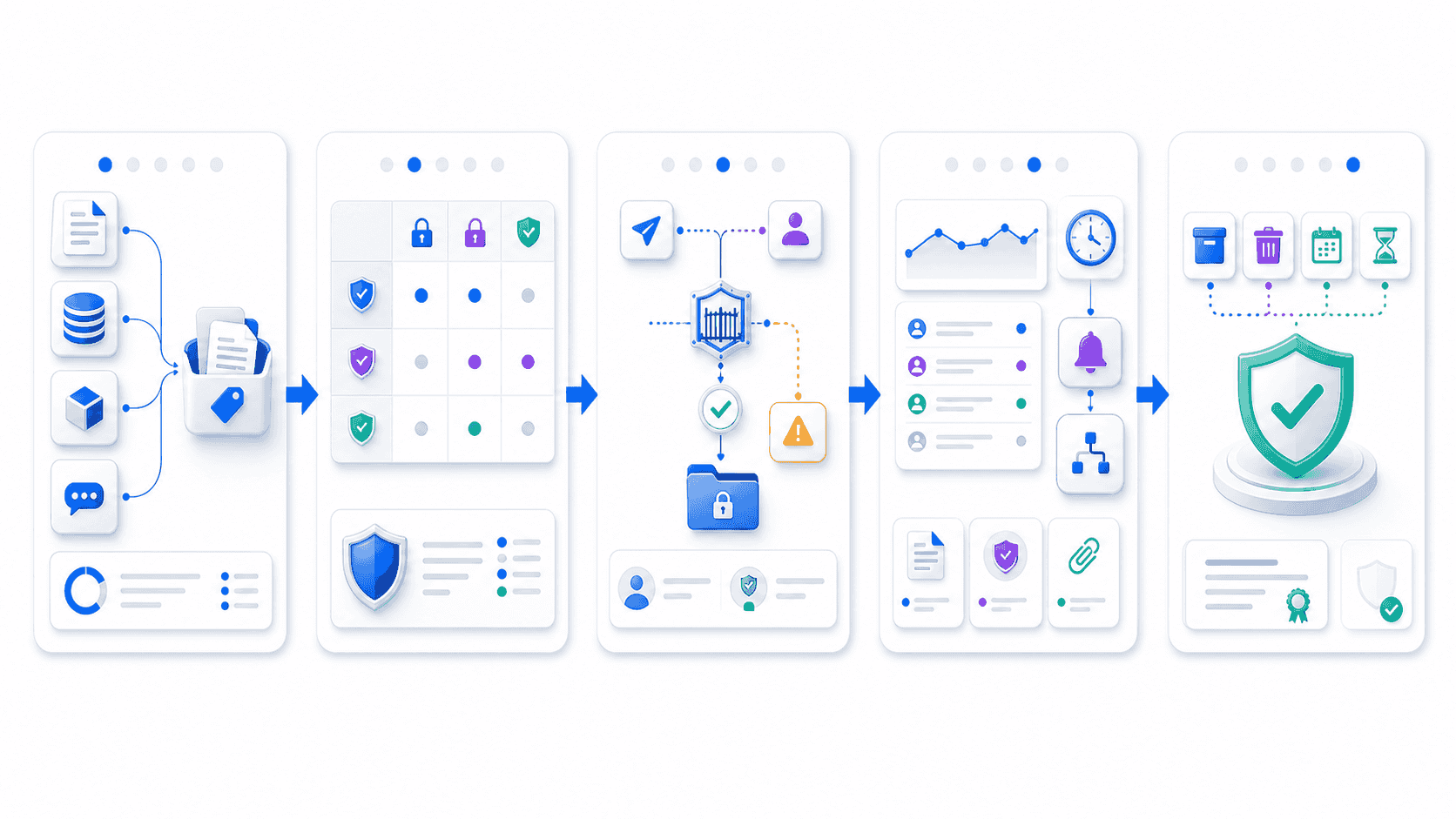
Run a repeatable confidentiality workflow执行可重复的保密工作流
- Map the purpose and information flow.绘制目的与信息流。 Identify parties, systems, recipients, locations, information categories, timing, and onward sharing.识别主体、系统、接收方、地点、信息类别、时间与继续共享。
- Review the complete contract framework.审查完整合同框架。 Align definitions, purpose, recipients, exclusions, controls, disclosure, incidents, duration, return, deletion, and remedies.协调定义、目的、接收方、排除、控制、披露、事件、期限、返还、删除与救济。
- Approve and configure sharing.批准并配置共享。 Apply classification, minimum scope, access, secure transfer, logging, recipient duties, expiry, and evidence.应用分类、最小范围、访问、安全传输、日志、接收方义务、到期与证据。
- Monitor use and respond to change.监控使用并响应变化。 Review access, new recipients, purpose changes, incidents, legal demands, amendments, and relationship events.复核访问、新接收方、目的变化、事件、法律要求、修订与关系事件。
- Close with evidence.带证据关闭。 Revoke access, return or delete material, document retained copies, resolve incidents, certify scope, and preserve records.撤销访问、返还或删除资料、记录保留副本、解决事件、证明范围并保存记录。
Connect confidentiality to the rest of the agreement把保密要求与协议其他部分连接
Use a complete contract review checklist to find definitions, data, security, IP, publicity, audit, liability, indemnity, notice, disputes, and priority rules that change confidentiality outcomes. Review the termination workflow for access shutdown, return, deletion, transition, survival, and final evidence.
使用完整的合同审查清单查找会改变保密结果的定义、数据、安全、知识产权、宣传、审计、责任、赔偿、通知、争议与优先规则。审核终止流程中的访问关闭、返还、删除、过渡、存续与最终证据。
For investment, acquisition, restructuring, or sensitive data-room sharing, coordinate the recipient register and disclosure plan with the change of control transaction workflow. Transaction communications, clean teams, consents, lender sharing, announcements, and closing can create additional restrictions.
针对投资、收购、重组或敏感资料室共享,应把接收方登记与披露计划同控制权变更交易流程协调。交易沟通、洁净团队、同意、贷款人共享、公告与交割可能产生额外限制。
Confidentiality business workflow checklist保密商业执行检查清单
- Map disclosers, recipients, representatives, systems, locations, information categories, purpose, timing, and onward sharing.映射披露方、接收方、代表、系统、地点、信息类别、目的、时间与继续共享。
- Define covered information, marking, oral confirmation, derived material, exclusions, and evidence.定义受保护信息、标记、口头确认、衍生资料、排除与证据。
- Confirm permitted purpose, prohibited uses, copying, analysis, testing, model training, reverse engineering, and publication.确认允许目的、禁止用途、复制、分析、测试、模型训练、逆向工程与发布。
- Approve recipients, need-to-know access, equivalent duties, responsibility, onward disclosure, and expiry.批准接收方、必要知悉访问、同等义务、责任、继续披露与到期。
- Map contractual care standards to technical, organizational, physical, monitoring, and evidence controls.把合同注意标准映射到技术、组织、实物、监控与证据控制。
- Define required-disclosure, incident, notification, cooperation, preservation, remediation, and communication workflows.定义依法披露、事件、通知、合作、保存、补救与沟通流程。
- Calendar agreement, disclosure, confidentiality, survival, hold, retention, return, deletion, and certification events.设置协议、披露、保密、存续、保全、留存、返还、删除与证明事件日历。
- Obtain security, privacy, records, business, and qualified legal review appropriate to the information and transaction.取得与信息和交易相适应的安全、隐私、档案、业务与合格法律审核。
Escalate these confidentiality warning signs升级处理这些保密风险信号
Warning signs include an undefined purpose, every affiliate automatically included, oral information protected with no confirmation process, markings that operations cannot apply, exclusions with no evidence standard, unrestricted onward sharing, no recipient responsibility, one generic security sentence for highly sensitive data, notice timing that incident teams cannot meet, and deletion promises that ignore backups or legal holds.
风险信号包括:目的未定义;所有关联方自动纳入;口头信息受保护却没有确认流程;运营无法执行的标记;排除没有证据标准;继续共享不受限制;没有接收方责任;针对高度敏感数据仅有一句通用安全要求;事件团队无法满足的通知时间;以及忽略备份或法律保全的删除承诺。
Escalate unapproved data-room invitations, personal email or storage, shared credentials, public links, expired access, sensitive information entered into unapproved AI tools, recipient objections, suspected independent-development claims without records, legal demands, security events, new jurisdictions, transaction changes, and closure certificates nobody can substantiate.
未经批准的资料室邀请、个人邮箱或存储、共享凭证、公开链接、过期访问、把敏感信息输入未批准 AI 工具、接收方异议、没有记录的独立开发主张、法律要求、安全事件、新法域、交易变化与无人能够证明的关闭证书,都应升级处理。
Use AI for a source-backed first-pass review使用 AI 进行有来源支持的第一轮审查
AI can extract confidentiality definitions, purposes, recipients, exclusions, security standards, required-disclosure mechanics, incident duties, duration, return, deletion, survival, remedies, and cross-references from a complete agreement set. It can compare versions, build a preliminary workflow matrix, and flag missing fields. Require exact citations and “not found” when evidence is absent.
AI 可以从完整协议集中提取保密定义、目的、接收方、排除、安全标准、依法披露机制、事件义务、期限、返还、删除、存续、救济与交叉引用,比较版本、建立初步流程矩阵并标记缺失字段。应要求准确引用,证据缺失时返回“未找到”。
AI cannot determine whether information legally qualifies for protection, verify independent development, select applicable law, approve disclosure, assess privilege, make incident notifications, or replace qualified review. Human owners must confirm the complete contract, current law, facts, information flow, classification, controls, evidence, permissions, incidents, retention, and decisions. Content and tools support information organization and pre-signature risk triage; they do not constitute legal advice.
AI 不能决定信息在法律上是否符合保护条件、验证独立开发、选择适用法律、批准披露、评估特权、发送事件通知或替代具备资质的审核。人工负责人必须确认完整合同、现行法律、事实、信息流、分类、控制、证据、权限、事件、留存与决定。内容与工具仅支持信息整理和签署前风险初筛,不构成法律意见。
Turn confidentiality wording into an operating plan把保密文字转换为运营计划
Prepare the complete agreement, information-flow map, classification, recipient list, systems, purpose, controls, incident plan, and closure requirements. Extract possible duties with exact citations, then validate them with the responsible reviewers.
准备完整协议、信息流图、分类、接收方清单、系统、目的、控制、事件计划与关闭要求。提取带准确引用的潜在义务,再由相应审核人员验证。
Confidentiality clause FAQ保密条款常见问题
What does a confidentiality clause do?
保密条款有什么作用?
It defines how specified information may be received, used, protected, shared, disclosed, retained, returned, or destroyed and what exceptions and consequences apply.
它定义特定信息如何被接收、使用、保护、共享、披露、留存、返还或销毁,以及适用哪些例外和后果。
Is every business document confidential?
每份商业文档都属于保密信息吗?
Not automatically. The answer depends on the clause, marking or circumstances, information nature, exclusions, complete agreement, facts, and applicable law.
不会自动属于。答案取决于条款、标记或情境、信息性质、排除、完整协议、事实与适用法律。
Who may receive confidential information?
谁可以接收保密信息?
Only recipients permitted by the agreement and applicable requirements, usually with a need to know, a valid purpose, appropriate duties, controls, and approval.
只有协议与适用要求允许的接收方,通常还需具有必要知悉、有效目的、适当义务、控制与批准。
What happens when the relationship ends?
关系结束时应如何处理?
The workflow should address access revocation, return, deletion, retained copies, backups, legal holds, continuing protection, incident closure, evidence, and certification.
流程应处理访问撤销、返还、删除、保留副本、备份、法律保全、持续保护、事件关闭、证据与证明。
Can AI decide whether disclosure is permitted?
AI 能否决定是否允许披露?
No. AI can extract possible conditions and citations. Authorized humans must confirm the full contract, purpose, recipient, facts, law, controls, approval, and risk.
不能。AI 可以提取潜在条件和引用,但必须由授权人员确认完整合同、目的、接收方、事实、法律、控制、批准与风险。
Sources and Method来源与方法
- Cornell Legal Information Institute — 18 USC section 1839 definitions, including trade secret康奈尔法律信息研究所 — 美国法典第 18 编第 1839 条定义,包括商业秘密
- UK Information Commissioner's Office — Data sharing code of practice英国信息专员办公室 — 数据共享行为准则
- NIST — Security and Privacy Controls for Information Systems and Organizations美国国家标准与技术研究院 — 信息系统与组织安全及隐私控制
- US Federal Trade Commission — Gramm-Leach-Bliley Act privacy and security guidance美国联邦贸易委员会 — 《格雷姆—里奇—比利雷法》隐私与安全指南