
What Is a Revenue Intelligence Platform?什么是收入智能平台?
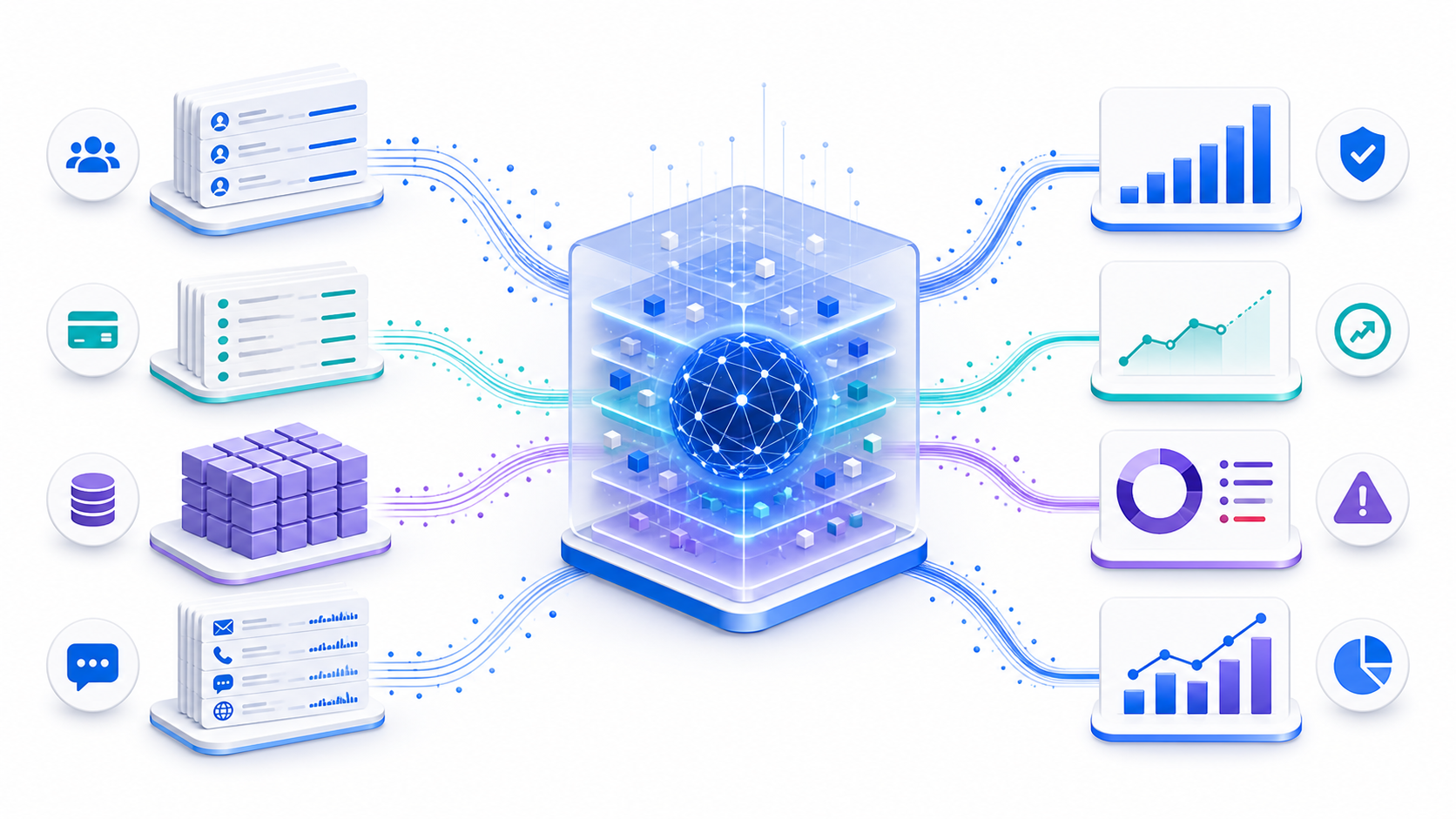
A revenue intelligence platform connects and analyzes revenue-related data so sales, RevOps, finance, marketing, and customer teams can inspect pipeline, forecast outcomes, identify risk, and make evidence-aware revenue decisions. Depending on the product, it may emphasize forecasting, conversation signals, activity capture, pipeline inspection, analytics, or guided actions.
收入智能平台连接并分析与收入相关的数据,帮助销售、RevOps、财务、营销和客户团队检查管道、预测结果、识别风险,并做出基于证据的收入决策。不同产品可能更侧重预测、对话信号、活动采集、管道检查、分析或行动建议。
The category is broad. One vendor may be built around CRM forecasting, another around calls and emails, and another around cross-source analytics. Treat “revenue intelligence” as a capability set rather than assuming every product has the same data coverage, workflow, or operating model.
这一类别范围很广:有的供应商以 CRM 预测为核心,有的以通话和邮件为核心,还有的侧重跨源分析。应把“收入智能”视为一组能力,而不要假设每个产品具有相同的数据覆盖、工作流或运行模式。
A governed view of pipeline, forecast, deal or account risk, activity, performance, and revenue drivers.
对管道、预测、交易或客户风险、活动、绩效和收入驱动因素形成受治理视图。
CRM execution, outreach, call recording, billing, territory management, or authoritative financial reporting.
CRM 执行、销售触达、通话录音、账单、区域管理或权威财务报告。
When Do You Need Revenue Intelligence Software?何时需要收入智能软件?
A platform is worth evaluating when a recurring revenue decision cannot be answered reliably with existing systems. Start with decision failure, not a feature list. Common signals include inconsistent forecasts, pipeline reviews driven by anecdotes, duplicated manual reporting, incomplete activity records, or revenue evidence split across CRM, billing, product, marketing, and warehouse systems.
当现有系统无法可靠回答反复出现的收入决策问题时,才值得评估平台。应从决策失败开始,而不是从功能列表开始。常见信号包括预测口径不一致、管道复盘依赖主观叙述、重复手工报告、活动记录不完整,或收入证据分散在 CRM、账单、产品、营销和数据仓库中。
- Forecast problem: managers cannot reconcile commit, best-case, model output, and actual revenue.预测问题:管理者无法核对承诺、最佳情形、模型结果与实际收入。
- Pipeline problem: stage, age, next step, stakeholder engagement, and close timing are incomplete or unreliable.管道问题:阶段、停留时间、下一步、利益相关者互动和预计成交时间不完整或不可靠。
- Analysis problem: teams spend each review rebuilding exports instead of explaining changes and testing actions.分析问题:团队每次复盘都在重建导出表,而不是解释变化并检验行动。
- Alignment problem: sales, marketing, finance, and customer teams use different definitions of pipeline and revenue.协同问题:销售、营销、财务和客户团队对管道与收入使用不同定义。
Do not buy software to conceal a process problem. If qualification rules, opportunity ownership, close states, and financial definitions are unresolved, a new analytical layer can reproduce the disagreement faster without resolving it.
不要用软件掩盖流程问题。如果资格规则、商机归属、关闭状态和财务定义尚未统一,新的分析层可能只是更快地复制分歧,而不会解决分歧。
Core Revenue Intelligence Platform Capabilities收入智能平台的核心能力
Translate every capability into a business decision, required data, output, and owner. A polished demonstration is not evidence that the same workflow will work with your custom stages, historical gaps, permissions, currencies, and product model.
应把每项能力转化为业务决策、所需数据、输出和负责人。精美演示不能证明同一工作流可以适配你的自定义阶段、历史缺口、权限、币种和产品模型。
| Capability能力 | Decision supported支持的决策 | Evidence to request应要求的证据 |
|---|---|---|
| Data connection and identity数据连接与身份统一 | Which account, contact, opportunity, invoice, and activity belong together?哪些客户、联系人、商机、发票和活动属于同一业务对象? | Supported sources, keys, refresh, failures, lineage, and deduplication支持的数据源、主键、刷新、失败处理、血缘和去重 |
| Pipeline inspection管道检查 | Where are deals stalled, slipping, aging, or missing evidence?哪些交易停滞、延期、老化或缺少证据? | Stage history, point-in-time views, filters, and exception logic阶段历史、时点视图、筛选和异常逻辑 |
| Forecasting预测 | What outcome is expected, by when, and with what uncertainty?预计产生什么结果、何时产生以及不确定性多大? | Backtesting, baselines, error measures, overrides, and version history回测、基线、误差指标、人工调整和版本历史 |
| Deal and account signals交易与客户信号 | Which opportunities require review and what evidence triggered it?哪些商机需要复核,是什么证据触发了提示? | Signal definition, source coverage, false positives, and explanation信号定义、数据覆盖、误报和解释 |
| Revenue analytics收入分析 | Which products, segments, channels, or process changes explain performance?哪些产品、分群、渠道或流程变化解释了表现? | Metric contracts, joins, cohort logic, drill-through, and export指标契约、连接、Cohort 逻辑、下钻和导出 |
| Workflow and governance工作流与治理 | Who reviews, approves, acts, and audits each output?谁复核、批准、执行并审计每项输出? | Roles, permissions, logs, retention, alerts, and human approval角色、权限、日志、保留、提醒和人工批准 |
Compare Revenue Intelligence Platform Types比较不同类型的收入智能平台
The best fit depends on the decision and source of truth. A category label does not replace architecture review. Shortlist platform types first, then vendors, so a conversation-recording product is not scored against a cross-source analytics layer as if they solve the same problem.
最佳匹配取决于决策和权威数据源。类别名称不能替代架构评审。应先筛选平台类型,再筛选供应商,避免把对话录音产品与跨源分析层当作解决同一问题的产品进行评分。
| Platform type平台类型 | Strongest fit最适合场景 | Boundary to test需要验证的边界 |
|---|---|---|
| CRM-native intelligenceCRM 原生智能 | Pipeline, forecasting, and adoption inside one CRM单一 CRM 内的管道、预测和使用 | Cross-CRM, billing, warehouse, and custom-model depth跨 CRM、账单、仓库和自定义模型深度 |
| Conversation-led intelligence对话驱动智能 | Calls, meetings, coaching, engagement, and deal evidence通话、会议、辅导、互动和交易证据 | Financial actuals, historical pipeline, and non-conversation data财务实际值、历史管道和非对话数据 |
| Forecast and pipeline platform预测与管道平台 | Forecast cadence, inspection, rollups, and manager workflow预测节奏、检查、汇总和经理工作流 | Model transparency, unusual motions, and data outside sales模型透明度、特殊销售模式和销售之外的数据 |
| Cross-source analytics layer跨源分析层 | Flexible analysis across databases, warehouses, files, and business domains跨数据库、仓库、文件和业务域的灵活分析 | Native CRM actions, recording, engagement, and prescriptive workflows原生 CRM 操作、录音、互动和规定式工作流 |
Revenue Intelligence Software Requirements Checklist收入智能软件需求清单
Write requirements as testable outcomes. “Has AI” is not testable. “Explains why an opportunity is flagged, cites the contributing records, permits correction, and logs the reviewer decision” is testable. Mark each requirement must-have, should-have, or optional before meeting vendors.
应把需求写成可测试结果。“具备 AI”无法测试;“解释商机为何被标记、引用相关记录、允许纠正并记录复核决定”则可以测试。在与供应商沟通前,为每项需求标记“必须、应该或可选”。
Sources, objects, history, refresh latency, custom fields, APIs, export, identity resolution, error handling, lineage, and deletion.
数据源、对象、历史、刷新延迟、自定义字段、API、导出、身份统一、错误处理、血缘和删除。
Metric definitions, cohorts, segmentation, drill-through, forecast baselines, uncertainty, cited evidence, overrides, and reproducibility.
指标定义、Cohort、分群、下钻、预测基线、不确定性、引用证据、人工调整和可复算性。
Authentication, role and row-level access, encryption, audit logs, retention, residency, subprocessors, model-data use, and incident response.
身份验证、角色和行级访问、加密、审计日志、保留、驻留、子处理方、模型数据使用和事件响应。
Owners, administration, implementation, enablement, support, accessibility, mobile use, change management, uptime, and exit plan.
负责人、管理、实施、培训、支持、无障碍、移动使用、变更管理、可用性和退出计划。
Weighted Vendor Evaluation Scorecard Template加权供应商评估评分卡模板
Use the same scenario, evidence standard, and scoring scale for every shortlisted product. Score 0 for absent, 1 for material gaps, 2 for partially meets, 3 for meets, and 4 for exceeds with verified evidence. Multiply score by weight, then record the proof and unresolved condition. Do not award points for roadmap promises as if they are available.
对所有入围产品使用相同场景、证据标准和评分尺度:0 表示缺失,1 表示存在重大缺口,2 表示部分满足,3 表示满足,4 表示经验证后超出要求。用得分乘以权重,并记录证据和未解决条件。不要把路线图承诺当作现有能力计分。
| Evaluation area评估领域 | Example weight示例权重 | Required evidence所需证据 | Score得分 |
|---|---|---|---|
| Decision and workflow fit决策与工作流匹配 | 20% | End-to-end test of the named review and action对指定复盘与行动进行端到端测试 | 0–4 |
| Data coverage and quality数据覆盖与质量 | 20% | Your objects, history, keys, refresh, and failure cases你的对象、历史、主键、刷新和失败场景 | 0–4 |
| Analysis and forecast validity分析与预测有效性 | 20% | Reconciliation, backtest, baselines, errors, and explanations核对、回测、基线、误差和解释 | 0–4 |
| Security and governance安全与治理 | 15% | Control review, permissions test, logs, and contract terms控制评审、权限测试、日志和合同条款 | 0–4 |
| Administration and adoption管理与采用 | 10% | Admin tasks, user scenario, training, and support response管理任务、用户场景、培训和支持响应 | 0–4 |
| Total cost and exit总成本与退出 | 15% | Three-year cost model, dependencies, export, and deletion test三年成本模型、依赖、导出和删除测试 | 0–4 |
The percentages above are hypothetical starting weights, not a universal standard. Change them before evaluation to reflect your decision. Also keep pass/fail gates for security, data access, or regulatory obligations; a high total must not override a failed mandatory control.
以上百分比只是用于起步的假设权重,并非通用标准。评估前应根据你的决策调整,并为安全、数据访问或监管义务保留通过/不通过门槛;高总分不能覆盖未通过的强制控制。
Run a Revenue Intelligence Proof of Value开展收入智能价值验证
A generic demo tests presentation skill. A proof of value tests fit. Use a bounded, representative slice of governed data and at least one difficult case: reopened opportunities, split credit, multi-currency amounts, missing activity, stage regression, or a forecast miss. Agree on success criteria before loading data.
通用演示测试的是展示能力,价值验证测试的才是匹配度。应使用一段有边界、有代表性的受治理数据,并至少加入一个困难场景,例如重开商机、业绩拆分、多币种金额、缺失活动、阶段回退或预测偏差。加载数据前先约定成功标准。
- Freeze the question and baseline.冻结问题和基线。
Name the decision, current process, authoritative totals, time spent, known error, and owner. Avoid vague goals such as “better insights.”
明确决策、当前流程、权威总数、耗时、已知误差和负责人,避免“获得更好洞察”之类模糊目标。
- Prepare a representative dataset.准备代表性数据集。
Include normal records, edge cases, permissions, history, missing values, and the fields needed to reconcile outputs.
包括正常记录、边界情况、权限、历史、缺失值和核对输出所需字段。
- Test the complete workflow.测试完整工作流。
Connect, calculate, investigate, explain, review, export, correct, audit, and repeat—not only the final dashboard.
测试连接、计算、调查、解释、复核、导出、纠正、审计和重跑,而不只查看最终仪表板。
- Compare and document.比较并记录。
Score evidence, measure the baseline difference, log exceptions, estimate operating effort, and assign owners to unresolved risks.
对证据评分、衡量与基线的差异、记录异常、估计运行投入,并为未解决风险指定负责人。
Review Data Architecture, Security, and AI Governance评审数据架构、安全与 AI 治理
Map the proposed data flow from source to decision. Identify the system of record for opportunity state, activity, invoice, recognized revenue, target, and customer identity. Record whether data is copied, cached, transformed, embedded, sent to subprocessors, or used for model improvement. Verify deletion and export behavior rather than relying only on policy language.
应绘制从数据源到决策的数据流,明确商机状态、活动、发票、确认收入、目标和客户身份的记录系统。记录数据是否被复制、缓存、转换、嵌入、发送给子处理方或用于模型改进,并实际验证删除和导出行为,而不能只依赖政策文字。
- Access: test role, row, field, territory, and manager-hierarchy permissions with real user profiles.访问:使用真实用户配置测试角色、行、字段、区域和经理层级权限。
- Lineage: require users to trace an insight or forecast to its sources, filters, model version, and timestamp.血缘:要求用户把洞察或预测追溯到数据源、筛选、模型版本和时间戳。
- AI controls: define acceptable uses, human review, correction, monitoring, incident handling, and prohibited automated decisions.AI 控制:定义允许用途、人工复核、纠正、监控、事件处理和禁止的自动化决策。
- Continuity: examine availability, recovery, vendor dependency, rate limits, data portability, and termination deletion.连续性:检查可用性、恢复、供应商依赖、速率限制、数据可移植性和终止后的删除。
Implement the Platform in Controlled Phases分阶段实施收入智能平台
Begin with one decision, one governed population, and a named operating cadence. A narrow, reconciled use case creates a better foundation than connecting every source and activating every alert at once.
从一个决策、一个受治理的业务对象和明确运行节奏开始。范围较窄但已核对的用例,比一次连接所有数据源并开启所有提醒更能建立稳固基础。
Assign sponsor, product owner, data owners, admins, reviewers, users, success measures, metric contracts, and risk gates.
指定发起人、产品负责人、数据负责人、管理员、复核者、用户、成功指标、指标契约和风险门槛。
Connect minimum sources, map identity and outcomes, apply permissions, reconcile history, and document exceptions.
连接最低必要数据源,映射身份与结果,应用权限,核对历史并记录异常。
Run parallel with the current review, measure discrepancies, collect user evidence, tune alerts, and test support.
与当前复盘并行运行,衡量差异,收集用户证据,调整提醒并测试支持。
Approve release, monitor data and model quality, review access, track adoption and decisions, and schedule renewal evidence.
批准上线,监控数据与模型质量,复核访问,跟踪采用和决策,并安排续约证据审查。
Build the Business Case Around Total Cost and Decisions围绕总成本与决策建立商业论证
License price is only one component. Model implementation, connectors, storage, usage, premium modules, support, security review, data cleanup, administration, enablement, change management, and exit work. Use contract terms and a tested configuration; public starting prices rarely describe your complete operating cost.
许可价格只是成本的一部分。还应估算实施、连接器、存储、使用量、高级模块、支持、安全评审、数据清理、管理、培训、变更管理和退出工作。应根据合同条款和实际测试配置计算;公开起始价格很少能反映完整运行成本。
Tie value to observable process or decision measures: time to prepare a forecast, percentage of records reconciled, forecast error against a named baseline, age of unresolved exceptions, review adoption, or time from signal to verified action. Revenue change has many drivers, so do not claim the platform caused growth without a design that supports that inference.
价值应连接到可观察的流程或决策指标,例如准备预测的时间、已核对记录比例、相对指定基线的预测误差、未解决异常的时长、复盘采用率,或从信号到验证行动的时间。收入变化受多种因素驱动,因此不能在缺乏支持因果推断的设计时宣称平台带来了增长。
Where InfiniSynapse Fits in Revenue IntelligenceInfiniSynapse 在收入智能中的适用位置
InfiniSynapse can support revenue analysis when evidence is distributed across connected databases, warehouses, and files. Teams can use natural-language questions to investigate governed CRM extracts, billing records, targets, and other approved sources, then review the selected data, calculations, and outputs against known totals and metric contracts.
当收入证据分散在已连接的数据库、数据仓库和文件中时,InfiniSynapse 可以支持收入分析。团队可使用自然语言问题调查受治理的 CRM 导出、账单记录、目标和其他批准数据源,再依据已知总数和指标契约复核所选数据、计算与输出。
This is a cross-source analysis-layer fit. InfiniSynapse is not a CRM, sales engagement system, conversation recorder, dialer, billing system, or autonomous revenue execution platform. It does not replace authoritative workflow or financial systems. If native call capture, opportunity write-back, rep sequencing, territory administration, or forecast submission is mandatory, evaluate a purpose-built system or complementary architecture.
这属于跨源分析层的适用场景。InfiniSynapse 不是 CRM、销售互动系统、对话录音工具、拨号器、账单系统或自主收入执行平台,也不替代权威工作流或财务系统。如果原生通话采集、商机写回、销售序列、区域管理或预测提交是强制需求,应评估专用系统或互补架构。
Prepare the decision, source owners, business keys, metric definitions, permissions, expected totals, and review criteria. Use InfiniSynapse to investigate the evidence, then validate every material result before action.
准备决策、数据源负责人、业务主键、指标定义、权限、预期总数和复核标准。使用 InfiniSynapse 调查证据,并在行动前验证每项重要结果。
Try cross-source revenue analysis体验跨源收入分析Avoid Common Selection and Measurement Mistakes避免常见选型与衡量错误
Products with the same label can solve different forecasting, conversation, workflow, or analytics problems.
使用相同类别名称的产品,可能解决不同的预测、对话、工作流或分析问题。
A checkbox ignores data coverage, control, explanation, operating effort, accuracy, and edge cases.
勾选框忽略数据覆盖、控制、解释、运行投入、准确性和边界情况。
Outputs are accepted before totals, joins, exclusions, time zones, snapshots, and outcome mappings are checked.
在检查总数、连接、排除项、时区、快照和结果映射之前就接受输出。
Usage is not value. Track whether governed decisions become faster, more complete, and more reproducible.
使用量不等于价值。应跟踪受治理决策是否变得更快、更完整且更可复现。
- Before signing: complete control review, proof-of-value evidence, cost model, data-flow map, reference checks, ownership, and exit terms.签约前:完成控制评审、价值验证证据、成本模型、数据流图、参考核查、责任归属和退出条款。
- Before launch: reconcile records, approve permissions, document metric versions, test failure modes, train reviewers, and publish escalation paths.上线前:核对记录、批准权限、记录指标版本、测试失败模式、培训复核者并发布升级路径。
- After launch: monitor source freshness, output quality, overrides, adoption, decision outcomes, incidents, cost, and model or configuration changes.上线后:监控数据源新鲜度、输出质量、人工调整、采用、决策结果、事件、成本以及模型或配置变化。
Revenue Intelligence Platform FAQ收入智能平台常见问题
It connects and analyzes revenue-related data to support pipeline inspection, forecasting, risk review, performance analysis, and evidence-aware decisions. Exact capabilities vary by platform type and product.
它连接并分析收入相关数据,支持管道检查、预测、风险复核、绩效分析和基于证据的决策。具体能力因平台类型和产品而异。
No. A CRM usually manages operational customer and opportunity workflows. A revenue intelligence platform analyzes data and signals around those workflows; some products are CRM-native, while others connect to one or more CRMs.
不同。CRM 通常管理客户和商机的运营工作流;收入智能平台分析这些工作流周围的数据与信号。有些产品原生集成在 CRM 中,另一些连接一个或多个 CRM。
Prioritize source connectivity, identity resolution, pipeline history, governed metrics, forecasting or analysis fit, drill-through evidence, permissions, auditability, administration, export, and monitoring. Add conversation or execution features only when required.
应优先考虑数据源连接、身份统一、管道历史、受治理指标、预测或分析匹配、证据下钻、权限、可审计性、管理、导出和监控。只有在需要时才加入对话或执行功能。
Use one written requirements set, shared scenarios, weighted scoring, mandatory control gates, and a proof of value with representative data. Score verified evidence rather than demonstrations, roadmap statements, or feature labels.
使用一套书面需求、共同场景、加权评分、强制控制门槛和基于代表性数据的价值验证。应对已验证证据评分,而不是对演示、路线图声明或功能名称评分。
There is no universal duration. It should run long enough to complete the named workflow, observe required refresh cycles, test representative exceptions, compare the baseline, and document operating effort without becoming an uncontrolled implementation.
不存在通用时长。它应足以完成指定工作流、观察所需刷新周期、测试代表性异常、比较基线并记录运行投入,同时避免演变为不受控的正式实施。
Not universally. InfiniSynapse can support cross-source analysis across connected databases, warehouses, and files. It does not replace CRM execution, conversation recording, sales engagement, billing, or native forecast-submission workflows.
不能一概而论。InfiniSynapse 可以支持跨已连接数据库、数据仓库和文件的分析,但不替代 CRM 执行、对话录音、销售互动、账单或原生预测提交流程。