Direct answer直接回答
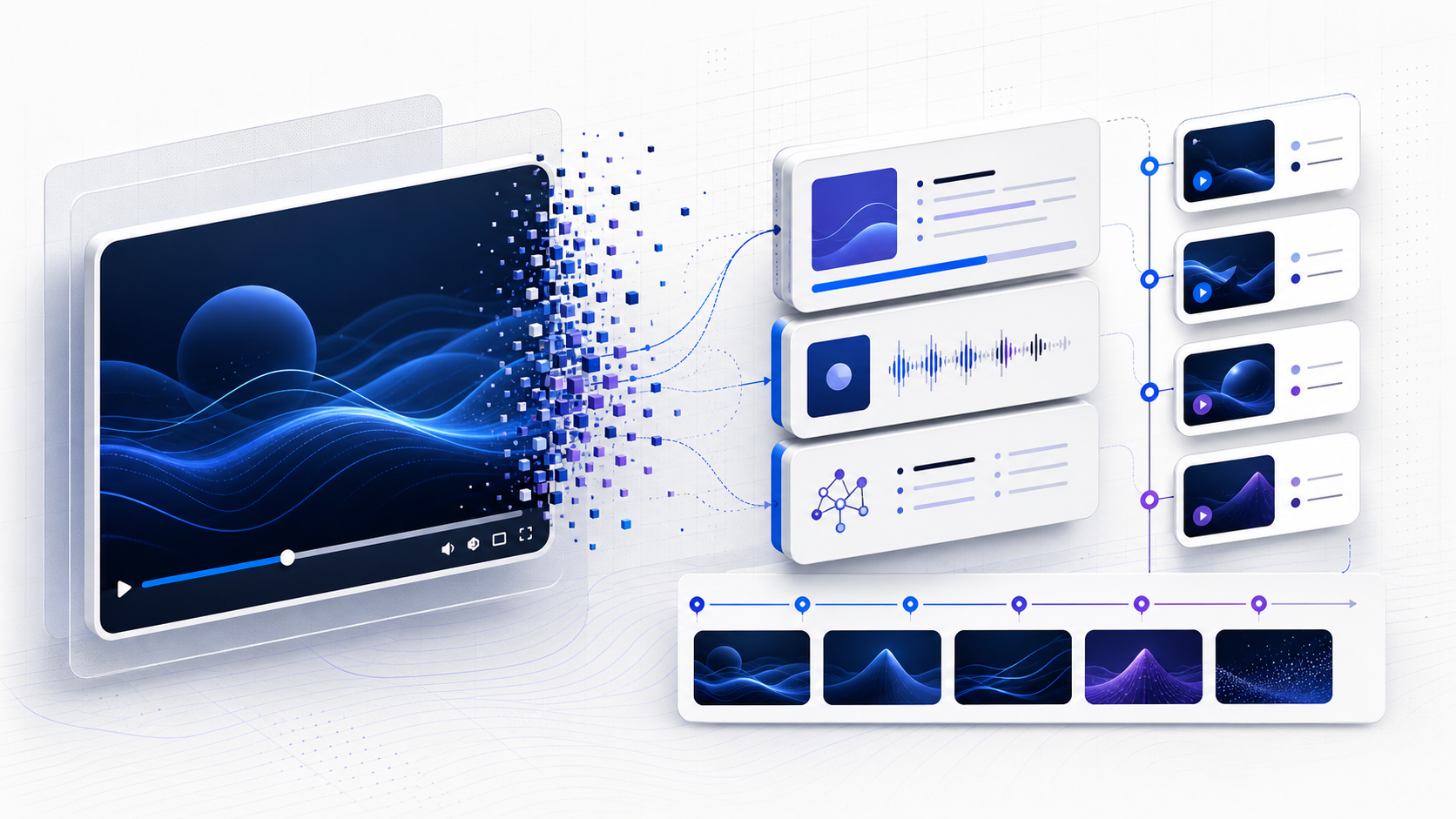
A YouTube video summarizer should reduce a video to its central claims, supporting details, and useful moments without hiding what was omitted. Start with a video or transcript you are allowed to use, the desired summary audience, and the questions the summary must answer; the working deliverable is a structured brief with key points, chapter-like sections, uncertainties, and timestamps for review.
YouTube 视频摘要器应把长视频压缩为核心观点、支撑细节与可回看的关键时刻,同时清楚说明省略了什么。 开始前应准备有权使用的视频或文字稿、摘要读者以及摘要必须回答的问题;工作结果应形成包含要点、章节式结构、不确定性与复核时间码的摘要。
Choose the step you need选择你需要的步骤
Start with the four core steps below, then continue into the deeper checks that match your task.
先完成下面四个核心步骤,再根据任务需要继续查看后续深度检查。
Start with the summary brief, not the video length先确定摘要任务,而不是先看视频时长
A useful YouTube video summary is shaped by its reader. A student needs definitions, reasoning steps, and review questions; a manager needs decisions, objections, owners, and deadlines; a researcher needs claims, methods, evidence, and limitations. Write those requirements before processing the recording. Also choose the compression level: a five-line orientation, a one-page brief, or a section-by-section digest. Without that brief, a summarizer tends to reward whatever is repeated or easy to phrase and may ignore the one caveat that changes the conclusion.
YouTube 视频摘要首先应由读者需求决定。学生需要定义、推理步骤与复习问题;管理者关注决策、异议、负责人和期限;研究者则需要观点、方法、证据与限制。处理视频前先写清这些要求,并确定压缩层级:五行速览、一页简报,还是逐章节摘要。若没有摘要任务说明,系统往往会优先保留重复出现或容易表达的内容,却可能漏掉真正改变结论的一条限定条件。
Use a two-pass summary instead of one prompt使用两遍摘要法,而不是一次生成
In the first pass, map the recording: opening question, major transitions, demonstrations, objections, examples, and final recommendation. Keep approximate time ranges and mark sections that depend on slides or screen actions. In the second pass, compress each mapped section to one claim and its strongest support, then assemble only the pieces required by the brief. This approach is slower than requesting an instant paragraph, but it prevents an energetic introduction from consuming the same space as a decisive twenty-minute demonstration. It also exposes missing transcript segments before they disappear inside polished prose.
第一遍先建立视频地图:开场问题、主要转折、演示、异议、案例以及最终建议,并保留大致时间范围,标出依赖幻灯片或屏幕操作的部分。第二遍再把每个区段压缩为一个观点及其最强支撑,最后只组合任务需要的内容。这个方法比直接要求生成一段摘要更慢,却能避免热闹的开场与关键的二十分钟演示占据同等篇幅,也能让缺失的文字稿片段在被流畅文案掩盖之前暴露出来。
Design a summary that can be inspected让摘要可以被检查
Use labels that reveal the status of each item: source claim, example, objection, recommendation, or unresolved point. Add a timestamp to every decision-changing statement rather than to every sentence. For interviews, identify the speaker; for lectures, preserve the distinction between an instructor's explanation and a cited author's position. A compact output can contain an executive answer, five key points, a chapter digest, disputed or uncertain details, and a short viewing route. Readers can then decide whether the brief is enough or whether they should watch selected sections.
输出标签应说明信息性质,例如来源观点、案例、异议、建议或未解决问题。没有必要给每句话都加时间码,但每个可能改变决策的陈述都应能回到对应时刻。访谈要区分说话人;课程要区分讲师解释与被引用作者的立场。一个紧凑结果可以包含结论速览、五个重点、章节摘要、争议或不确定信息,以及建议观看路线,让读者自行判断摘要是否够用。
Review omissions before polishing wording先检查遗漏,再润色文字
Compare the draft with the video map, not with another summary. Check whether the opening question was answered, whether the strongest counterargument survived, and whether a late correction changed an earlier claim. Replay names, quantities, quotations, and any statement turned into an action item. If the video is persuasive or promotional, separate the creator's evidence from assertions. The final review should record what was intentionally omitted; that note is especially valuable when a twenty-page transcript becomes a one-page brief, because compression itself is an editorial decision.
复核时应把草稿与视频地图对照,而不是与另一份摘要对照。检查开场问题是否得到回答、最强反方观点是否保留,以及后段修正是否改变了前面的说法。人名、数量、引语和被转成行动项的内容都要回放。对于说服型或宣传型视频,应把创作者的证据与单纯主张分开。最终版本还应记录主动省略了什么;当二十页文字稿被压缩成一页时,压缩本身就是编辑判断。
Set a compression budget before summarizing摘要前先设定压缩预算
Compression should be allocated by importance rather than by elapsed time. Begin with the question the viewer needs answered, then assign space to the decision, the evidence that supports it, meaningful objections, and unresolved uncertainty. A sixty-minute interview may spend twenty minutes on introductions and only four minutes on the finding that matters. Equal-length section summaries would therefore distort the recording. Use a coverage sheet with rows for claims, examples, demonstrations, caveats, and changes of position. Mark each row as required, optional, or excluded, and state why an exclusion is safe.
Choose a budget that matches use. A quick screening note might allow one sentence per major claim and three timestamps. A study digest may retain definitions, worked examples, and questions. A decision brief needs the recommendation, alternatives, risks, owners, and evidence links. Test the budget on one representative chapter before processing the whole video. If every sentence still appears important, the brief is underspecified; if a reader cannot see why the conclusion follows, compression has gone too far. This budget makes omissions deliberate and reviewable instead of accidental.
摘要篇幅应按重要性分配,而不是按视频时长平均分配。先明确观看者真正需要回答的问题,再为结论、支撑证据、重要异议和未解决的不确定性分配空间。一段六十分钟的访谈可能用二十分钟寒暄,却只用四分钟讲出关键发现;若每段获得同样篇幅,结果反而会扭曲原视频。可建立覆盖表,分别记录观点、案例、演示、限定条件与立场变化,并把每项标为必须保留、可选或省略,同时说明为什么可以省略。
压缩预算还应随用途变化。快速筛选可以给每个主要观点一句话并保留三个时间码;学习摘要需要定义、例题和复习问题;决策简报则要保留建议、替代方案、风险、负责人和证据链接。先用一个具有代表性的章节测试预算,再处理整段视频。如果每句话都显得不能删,说明任务定义不够清楚;如果读者看不出结论如何从证据得出,则说明压缩过度。这样,省略会成为可检查的选择,而不是偶然遗漏。
Build an evidence ladder for important claims为重要观点建立证据阶梯
Not every statement in a video has the same evidentiary status. Separate direct observations, quoted sources, demonstrations, speaker opinions, forecasts, and the summarizer's synthesis. For each conclusion that could influence a decision, keep the strongest supporting moment and enough surrounding context to show what the speaker meant. A product demonstration may support that a feature worked in one setup, but it does not prove reliability in every environment. A confident prediction remains a prediction even when it appears near charts. Labels such as observed, reported, inferred, and uncertain prevent those categories from collapsing into one polished paragraph.
Use an evidence ladder during review. The bottom rung is a transcript match; above it are playback confirmation, visual confirmation, supporting source material, and independent corroboration when the task requires it. The summary should never imply a higher rung than was actually checked. If a claim depends on a slide, include the slide context or mark it for viewing. If speakers disagree, preserve both positions and identify who supplied which evidence. This is especially important in panels, sales presentations, and debates, where repetition and confidence can otherwise outweigh support. The ladder tells readers what they can rely on immediately and what still requires verification.
视频中的陈述并不具有相同的证据地位。应区分直接观察、引用来源、现场演示、说话人观点、预测,以及摘要者的综合判断。凡是可能影响决策的结论,都应保留最强支撑时刻,并带上足以说明原意的上下文。产品演示只能证明某项功能在特定设置中运行过,不能自动证明所有环境都可靠;即使预测旁边出现图表,它仍然是预测。使用“已观察、来源陈述、推断、不确定”等标签,可避免不同性质的信息被压成同一种流畅陈述。
复核时可使用证据阶梯:最低层是文字稿匹配,向上依次是回放确认、视觉确认、支撑资料,以及任务需要时的独立佐证。摘要不能暗示已经完成实际上没有完成的高层核验。观点依赖幻灯片时,应保留画面上下文或标记需要观看;说话人意见不一致时,应保留双方立场并注明各自证据。这对圆桌讨论、销售演示与辩论尤其重要,因为重复次数和表达自信很容易被误当成证据强度。证据阶梯能让读者知道哪些内容可直接使用,哪些仍需核对。
Match the summary format to the reading moment让摘要格式匹配阅读场景
The same recording may need several outputs, but they should not be produced by trimming one master paragraph. An executive reader benefits from a decision-first brief with a recommendation, risk, and next action. A learner needs a concept map, definitions, examples, misconceptions, and retrieval questions. A meeting participant needs decisions, owners, deadlines, and unresolved items. A researcher may need a claim table with speaker, evidence type, time range, and limitation. Design the fields first so the summary collects the right information while processing rather than trying to reconstruct it afterward.
Reading conditions also matter. Mobile readers need short labeled blocks and links that open near the evidence. A team document needs stable headings and language that distinguishes quotation from paraphrase. A study note should leave room for the learner's own explanation instead of presenting every inference as complete. If several formats are required, derive each from the same reviewed video map and correction log. Do not summarize a summary, because each compression pass hides more context. Compare the outputs against one another: a decision shown in the executive brief should also appear in the detailed digest with the same owner, date, and evidence. Format differences should change emphasis, not facts.
同一段录像可能需要多种输出,但不能只靠不断删短一段母版文字来得到。管理者更适合结论优先的简报,包含建议、风险与下一步;学习者需要概念图、定义、案例、常见误解和回忆问题;会议参与者需要决策、负责人、期限与未决事项;研究者可能需要观点表,记录说话人、证据类型、时间范围和限制。应先设计字段,让处理过程直接收集正确的信息,而不是事后重新拼凑。
阅读环境也会改变格式。手机阅读需要短小且有标签的内容块,以及能跳到证据附近的链接;团队文档需要稳定标题,并明确区分引语与转述;学习笔记应给学习者留下自行解释的空间,不能把所有推断都写成已经完成的结论。需要多种格式时,应从同一份经过复核的视频地图和修正记录派生,不要再对摘要进行二次摘要。不同输出还应互相核对:管理简报中的决策,在详细摘要中应保留相同负责人、日期和证据。格式可以改变重点,但不能改变事实。
Recover information that the transcript cannot carry补回文字稿无法承载的信息
A transcript-centered summary can miss the most useful part of a video: a chart trend, code change, gesture, before-and-after comparison, or object shown without being named. During the mapping pass, mark every phrase that points outside speech, such as this line, over here, or as you can see. Review the corresponding frames and describe only what is necessary for the task. For tutorials, record the visible state before and after an action. For lectures, capture the definition, axis, legend, or formula needed to understand the explanation. For interviews, note tone or hesitation only when it materially affects interpretation and can be described without speculation.
Do not replace visual inspection with invented detail. If a slide is unreadable, say that the evidence could not be confirmed. Screenshots may help authorized internal review, but they need source time, context, and appropriate handling. When a visual sequence is long, link to its beginning and summarize the outcome rather than narrating every frame. A good combined summary lets a reader distinguish spoken claims from visible evidence. It also identifies moments that must still be watched because motion, spatial arrangement, or performance cannot be represented faithfully in a short text block.
以文字稿为中心的摘要可能漏掉视频最有价值的部分,例如图表趋势、代码变化、手势、前后对比,或画面中出现但没有被说出的对象。建立视频地图时,应标记所有指向画面的表达,如“这条线”“这里”“正如你所见”,再检查对应帧,只描述任务真正需要的信息。教程应记录操作前后的可见状态;课程应保留理解讲解所需的定义、坐标轴、图例或公式;访谈中的语气或停顿只有在确实改变解释且无需猜测时才应记录。
不能用虚构细节替代视觉检查。幻灯片无法读清时,应明确说明证据未能确认。获授权的内部复核可以使用截图,但必须带来源时间与上下文,并妥善处理。视觉序列较长时,可链接到开始位置并概括结果,不必逐帧叙述。好的综合摘要会区分说出的观点和看到的证据,同时指出仍必须观看的时刻,因为动作、空间关系或表现过程无法被短文本忠实替代。
Keep summaries aligned with changing videos让摘要与视频版本保持一致
Online videos can change after a summary is written. Creators may replace an edit, add corrections, revise a description, or publish a follow-up that changes the interpretation. Record the video identifier, title, channel, access date, duration, and any visible version note. Keep the transcript or notes used for the summary when permission allows. If the duration or chapter boundaries later differ, treat existing timestamps as suspect until they are retested. For frequently updated training or product material, add a review date and an owner instead of allowing an undated brief to circulate indefinitely.
Corrections should be traceable. When a name, number, recommendation, or timestamp changes, log what changed, why, and which outputs were affected. Do not silently repair only the executive paragraph while leaving study notes and action lists inconsistent. For major revisions, regenerate from the reviewed map rather than editing scattered sentences. A reader should be able to tell whether the brief reflects the current recording and whether an older decision was based on an earlier version. Version control is not administrative decoration; it protects the connection between summary, evidence, and action.
在线视频可能在摘要完成后发生变化。创作者可能替换剪辑、增加更正、修改说明,或发布会改变原有解释的后续内容。应记录视频标识、标题、频道、访问日期、时长和可见版本说明,并在权限允许时保留用于摘要的文字稿或笔记。如果后来发现时长或章节边界不同,旧时间码必须重新测试。对经常更新的培训或产品材料,应设置复核日期和负责人,避免没有日期的简报长期流转。
修正过程也要可追溯。姓名、数字、建议或时间码发生变化时,记录改了什么、为什么改,以及影响哪些输出。不能只静默修复管理摘要,却让学习笔记和行动清单继续保留旧信息。重大修订应从经过复核的视频地图重新生成,而不是零散修改句子。读者应能判断简报是否对应当前录像,以及旧决策是否基于更早版本。版本管理不是装饰,它保护摘要、证据与行动之间的连接。
Worked example具体示例
For a 48-minute product briefing, ask for a five-part brief: decision, evidence, objections, action items, and the exact moments that support each item. Review those moments before sharing the brief.
例如,一段 48 分钟的产品说明会可整理为五部分:结论、证据、异议、行动项,以及支持每项内容的准确时间点。分享前应逐个回看这些时刻。
Before handoff, preserve the source identity, current edit, language, access date, and every time reference needed to reproduce the example. A summary is an interpretation, not a replacement for the source. It can miss visual evidence, jokes, caveats, or changes in speaker position.
交付前应保留来源标识、当前剪辑版本、语言、访问日期,以及复现实例所需的时间信息。页面输出用于支持理解与整理,重要原话、数字、人物、边界和解释仍需返回原视频检查。
Define acceptance for this deliverable为这项交付物设定验收条件
Summaries compress; they do not merely shorten. Review the result against the intended audience and the declared task of turning a long video into a concise, source-linked brief. Confirm that the chosen structure preserves the distinctions the reader must act on, rather than simply shortening the recording. Mark missing source material and uncertainty openly. A reviewer should be able to identify which items came directly from speech or visuals, which were reorganized, and which are interpretations.
摘要是有目的的压缩,而非机械缩短。应围绕目标读者以及“把长视频整理为简洁且关联来源的摘要”这一具体任务验收结果。检查结构是否保留读者行动所需的关键区分,而不是只把录像缩短;来源缺失与不确定性必须显式标记。复核者应能分辨哪些内容直接来自语音或画面、哪些经过重组、哪些属于解释。
Use a small handoff record containing source, purpose, output version, correction notes, tested links or time ranges, reviewer, and unresolved items. Review every name, number, quotation, formula, instruction, commitment, and people-related conclusion that could cause harm if wrong. Lower-risk descriptive material may be sampled, but the sampling rule should be written down. A result is accepted because it is fit for this declared use, not because its language sounds confident.
交接记录至少应包含来源、用途、输出版本、修正说明、已测试链接或时间范围、复核人和未解决事项。姓名、数字、引语、公式、指令、承诺以及涉及个人且出错会造成影响的结论都应逐项检查;低风险描述可以抽样,但抽样规则要写明。结果被验收是因为适合当前用途,而不是因为语言显得自信。
Try the complete video-learning workflow with 先鉴 Peek使用先鉴 Peek 体验完整视频学习工作流
Prepare a public video you are allowed to analyze and write down what you want to learn. 先鉴 Peek can help assess the video's learning value, surface a concise summary, organize a timestamped viewing route, and turn useful material into notes. Review important claims against the original video before relying on them.
请准备可公开访问且允许分析的视频,并写清学习目标。先鉴 Peek 可帮助判断视频学习价值、提炼精华摘要、整理可跳转的时间码观看路线,并把有用内容形成笔记。依赖重要结论前,仍应返回原视频复核。
Questions about this task本任务常见问题
How long should a YouTube video summary be?
YouTube 视频摘要应该多长?
Choose length from the reader's task. Use a short orientation for triage and a section digest when the reader must learn or decide.
长度应由读者任务决定。快速筛选可用短速览,需要学习或决策时应使用分章节摘要。
Should every key point have a timestamp?
每个重点都需要时间码吗?
Add timestamps to claims, evidence, objections, and decisions that a reader may need to verify; sentence-level timing is usually unnecessary.
需要复核的观点、证据、异议和决策应带时间码,通常不必精确到每句话。
Can a summary replace watching the video?
摘要能代替观看视频吗?
It can support triage and review, but demonstrations, tone, visual evidence, and disputed passages may still require playback.
摘要适合筛选和复习,但演示、语气、视觉证据与争议段落仍可能需要回放。
What makes a summary trustworthy?
怎样判断摘要是否可信?
A defined brief, visible omissions, source-linked important claims, and human review of risky details make it inspectable rather than merely fluent.
明确任务、可见的省略说明、重点与来源时刻的关联,以及对高风险细节的人工复核,能让摘要真正可检查。
References and usage limits参考资料与使用边界
- YouTube Help: view video transcriptsYouTube Help: view video transcripts
- YouTube Terms of ServiceYouTube 服务条款
- InfiniSynapse documentation: connect data sources and knowledge basesInfiniSynapse 文档:连接数据源与知识库
Interfaces, caption availability, and platform behavior can change. Verify the current watch page and official guidance before relying on a procedure.
界面、字幕可用性与平台行为可能变化。依赖具体流程前,应检查当前观看页面与官方说明。