
What Are Web of Science Journals?什么是Web of Science期刊?
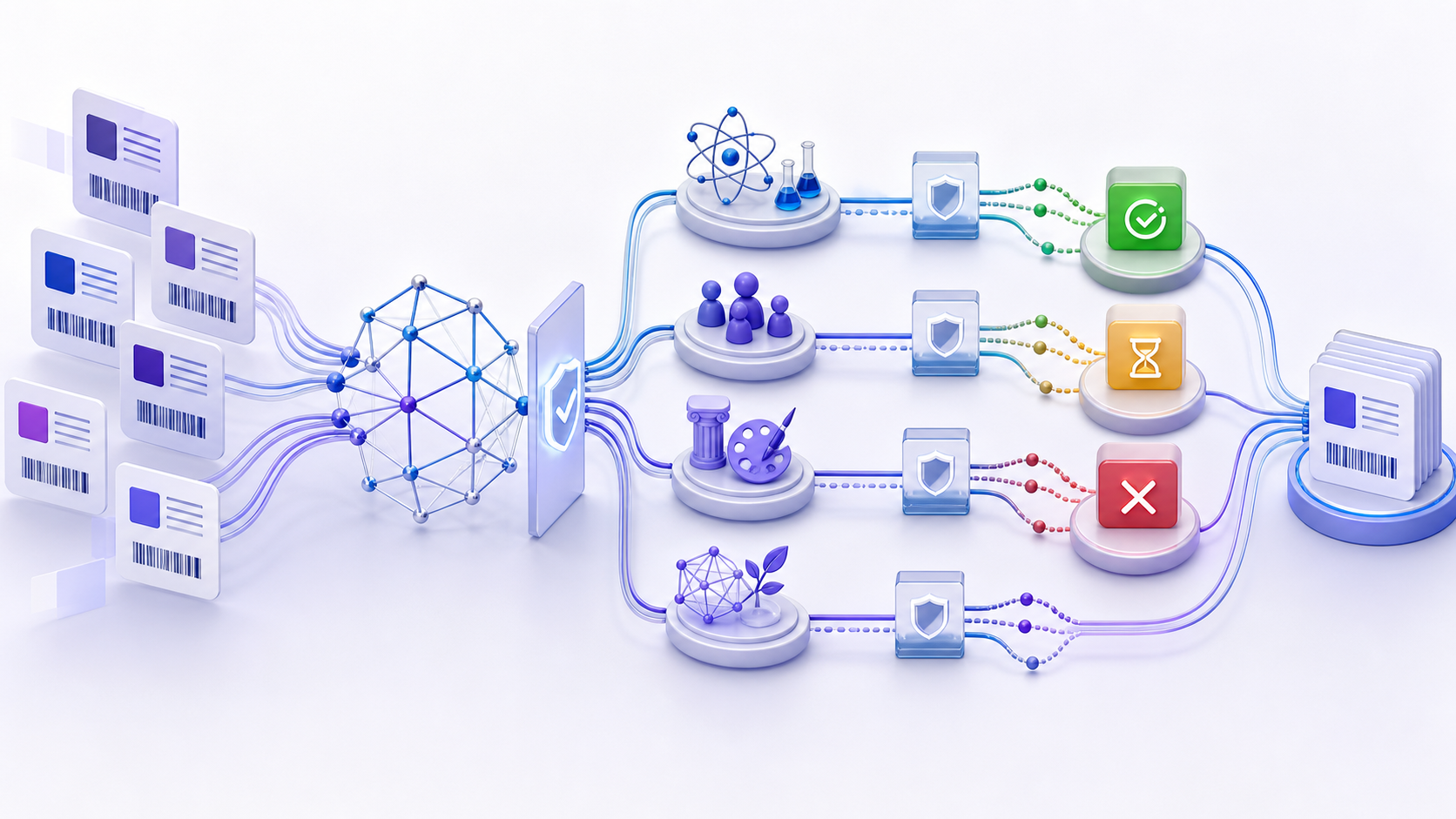
Quick answer: when researchers say “Web of Science journals,” they usually mean journals currently covered in the Web of Science Core Collection. Verify the exact title in Clarivate's free Master Journal List, match its ISSN and publisher, and identify whether the Core Collection record names SCIE, SSCI, AHCI or ESCI. A general Web of Science platform mention or a journal website badge is not equivalent evidence.
快速回答:研究者所说的“Web of Science期刊”通常指当前被Web of Science Core Collection覆盖的期刊。应在Clarivate免费Master Journal List中核验准确刊名,匹配ISSN与出版社,并确认Core Collection记录属于SCIE、SSCI、AHCI或ESCI。泛泛的Web of Science平台提及或期刊网站徽章不属于等价证据。
Web of Science is a platform containing multiple databases and content types. The Core Collection includes journals, conference proceedings and scholarly books, while the Master Journal List is the authoritative journal-coverage directory named by Clarivate. The distinction matters because a journal may appear in a specialized Web of Science index without being in the Core Collection your institution requires.
Web of Science是包含多个数据库与内容类型的平台。Core Collection包含期刊、会议论文集与学术图书,而Master Journal List是Clarivate指定的权威期刊覆盖目录。区分两者十分重要,因为某期刊可能出现在Web of Science某个专业索引中,却不属于机构要求的Core Collection。
Coverage is a dated database statement, not a universal certificate of quality, fit or institutional eligibility. It does not guarantee that every new item has already been indexed, that a journal will remain covered permanently, or that its metrics satisfy a promotion rule. Use the journal's verified collection and status as one field in a broader decision. For the overall relationship among journal metrics, databases and submission fit, start with our Journal Impact Factor guide.
覆盖是一项带日期的数据库声明,不是质量、适配或机构资格的通用证书。它不保证每个新项目都已收录、期刊永久保持覆盖,也不保证其指标满足晋升规则。应把已核验的期刊集合与状态作为更广泛决策中的一个字段。关于期刊指标、数据库与投稿适配的整体关系,可从Journal Impact Factor指南开始。
Web of Science Platform vs Core Collection vs Master Journal ListWeb of Science平台、Core Collection与Master Journal List
The platform is the broad access environment. It can expose Core Collection records and other databases licensed by an institution. The Core Collection is a curated citation database within that platform. The Master Journal List, or MJL, is the freely searchable coverage directory for journals across Core Collection and additional Web of Science indexes. These layers answer related but different questions.
平台是宽泛的访问环境,可显示Core Collection记录与机构许可的其他数据库。Core Collection是平台中的策展式引文数据库。Master Journal List(MJL)是可免费查询的期刊覆盖目录,涵盖Core Collection与其他Web of Science索引。这些层次回答相关但不同的问题。
| Surface界面 | Best question最适合回答 | Main limitation主要限制 |
|---|---|---|
| Master Journal ListMaster Journal List | Which exact journal and index are officially covered now?哪个准确期刊与索引当前被官方覆盖? | A journal-level result does not prove one article is present期刊层结果不能证明某篇文章存在 |
| Core Collection searchCore Collection检索 | Is a document record indexed within the selected timespan and editions?文献记录是否在所选时间与版本内被收录? | Results depend on subscription, database and timespan settings结果受订阅、数据库与时间范围设置影响 |
| Journal Citation ReportsJournal Citation Reports | What current annual journal metrics and category context are reported?当前年度报告哪些期刊指标与类别语境? | A metric record is not the primary coverage directory指标记录不是主要覆盖目录 |
| Journal website期刊官网 | What are the scope, article types, fees and submission policies?范围、文章类型、费用与投稿政策是什么? | A publisher indexing claim needs official confirmation出版社收录主张需要官方确认 |
Write the claim before choosing the surface. “The journal is currently in SSCI,” “the 2025 article is indexed in Core Collection,” and “the journal has a 2026 JIF” require three records. If a university says only “ISI journal” or “SCI journal,” ask for the accepted current index names and evaluation date rather than guessing from legacy terminology.
选择界面前先写清主张。“该刊当前属于SSCI”“2025年文章被Core Collection收录”“该刊具有2026年JIF”需要三条不同记录。若大学只写“ISI期刊”或“SCI期刊”,应询问其认可的当前索引名称与评价日期,而不是根据旧称猜测。
SCIE, SSCI, AHCI, and ESCI ExplainedSCIE、SSCI、AHCI与ESCI详解
The four principal journal indexes in Core Collection are not interchangeable labels. They identify disciplinary coverage and Clarivate's collection dynamics. Clarivate describes 24 quality criteria for Core Collection selection and four additional impact criteria used for its flagship collections. Journals can move between ESCI and flagship collections as they are re-evaluated, and any journal that ceases to meet quality criteria can be removed.
Core Collection的四类主要期刊索引不是可互换标签,它们体现学科覆盖与Clarivate的集合动态。Clarivate描述了Core Collection选择的24项质量标准,以及用于旗舰合集的另外4项影响力标准。期刊重新评估后可在ESCI与旗舰合集间移动,不再满足质量标准的期刊则可能被剔除。
Science Citation Index Expanded covers journal literature across natural, clinical and applied sciences.
Science Citation Index Expanded覆盖自然科学、临床与应用科学期刊文献。
Social Sciences Citation Index covers journal literature across the social sciences.
Social Sciences Citation Index覆盖社会科学期刊文献。
Arts & Humanities Citation Index covers arts and humanities journal literature.
Arts & Humanities Citation Index覆盖艺术与人文学科期刊文献。
Emerging Sources Citation Index includes journals meeting Core Collection quality criteria across disciplines.
Emerging Sources Citation Index涵盖跨学科满足Core Collection质量标准的期刊。
Do not turn these labels into an improvised universal quality ladder. A policy may accept all four, only one or more flagship indexes, or a subject-specific combination. AHCI also serves a different citation culture from many sciences. Record the exact collection shown, the relevant policy wording and the date. If a journal appears in multiple categories, do not report only the category or rank that looks best for the manuscript.
不能把这些标签变成自创的通用质量等级。政策可能接受全部四类、只接受一项或多项旗舰索引,或接受学科特定组合。AHCI所服务的引文文化也不同于许多科学领域。应记录显示的准确合集、相关政策措辞与日期。若期刊处于多个类别,不能只报告对稿件最好看的类别或名次。
Clarivate's current selection description says new submissions are evaluated for quality and, if selected, enter ESCI; impact re-evaluation is handled through collection monitoring. Because editorial policy can change, preserve the selection-page access date when this detail affects a publisher or researcher decision. Authors ordinarily verify coverage rather than submit journals for evaluation; journal submission to the Publisher Portal is a publisher responsibility.
Clarivate当前选择说明称,新提交来源先接受质量评估,入选后进入ESCI;影响力重新评估通过集合监测处理。编辑政策可能变化,因此若该细节影响出版社或研究者决策,应保存选择页面访问日期。作者通常只需核验覆盖,期刊通过Publisher Portal申请评估属于出版社职责。
Prepare the Journal Identity Before Searching检索前准备期刊身份字段
Journal names are not unique enough for high-stakes verification. Similar titles, translations, abbreviations, publisher transfers and hijacked websites can produce a convincing false match. Start at the journal's official publisher or society page and record the full title, print ISSN, eISSN, publisher, official domain, country, previous title and any stated ownership relationship.
期刊名称不够唯一,不能独立承担高风险核验。相似刊名、翻译、缩写、出版社转移与劫持网站可能产生看似可信的错误匹配。先从期刊官方出版社或学会页面记录完整刊名、印刷ISSN、eISSN、出版社、官方域名、国家、曾用刊名及所有权关系。
Use print and electronic identifiers separately; copy them to avoid transcription errors.
分别使用印刷与电子标识符,并通过复制避免录入错误。
Record former titles, mergers or splits before joining coverage histories.
拼接覆盖历史前,记录曾用名、合并或拆分关系。
Distinguish owner, society, publisher and hosting platform when they differ.
所有者、学会、出版社与托管平台不同时应予区分。
Reach the submission system through the verified publisher, not an email invitation.
通过已核验出版社进入投稿系统,不使用邮件邀请链接。
An ISSN identifies a serial; it is not a metric or trust score. Print and online editions can have different ISSNs, and a title change can create a new identifier. When an MJL result and publisher page differ, investigate whether the source moved, renamed or changed ownership. Do not resolve the conflict by choosing whichever record carries a preferred index.
ISSN用于识别连续出版物,不是指标或可信度分数。印刷版与网络版可有不同ISSN,更名还可能产生新标识符。MJL结果与出版社页面不一致时,应调查来源是否转移、更名或改变所有权,不能通过选择带有所需索引的记录来“解决”冲突。
How to Search Web of Science Journals in the Master Journal List如何在Master Journal List查询Web of Science期刊
- Open the official Master Journal List打开官方Master Journal ListStart at Clarivate's mjl.clarivate.com domain. Record the retrieval date and avoid static third-party “WOS journal lists” as final evidence.从Clarivate的mjl.clarivate.com域名开始,记录获取日期,不把第三方静态“WOS期刊清单”作为最终证据。
- Search the ISSN检索ISSNTry the eISSN and print ISSN individually. Remove the hyphen only if the interface requires it. ISSN searching minimizes similar-title noise.分别尝试eISSN与印刷ISSN,仅在界面要求时删除连字符。按ISSN检索可减少相似刊名干扰。
- Retry with full and former titles用完整刊名与曾用名重试A missing ISSN result is not yet proof of absence. Search title words, previous names and the publisher, then review exact and possible matches.ISSN无结果尚不能证明未收录。继续检索刊名词、曾用名与出版社,并检查准确与可能匹配。
- Match the journal identity匹配期刊身份Compare title, ISSN/eISSN, publisher and country with the official journal site. A name-only match is insufficient.把刊名、ISSN/eISSN、出版社与国家同官网比较;只匹配名称并不足够。
- Read the Core Collection field读取Core Collection字段Confirm whether SCIE, SSCI, AHCI or ESCI is explicitly listed. Separate additional specialty indexes from Core Collection coverage.确认是否明确列出SCIE、SSCI、AHCI或ESCI,并把其他专业索引与Core Collection覆盖分开。
- Open the journal profile and notices打开期刊档案与提示Review available categories, coverage information, metrics context and any visible On Hold notice. Do not hide a warning when documenting the result.检查可用类别、覆盖信息、指标语境及可见On Hold提示,记录结果时不能隐藏警告。
- Check monthly coverage changes检查月度覆盖变化Use the MJL downloads and Monthly Changes Archive when current addition, title change, reactivation or editorial de-listing matters.若当前新增、更名、重新激活或编辑剔除很重要,应使用MJL下载与Monthly Changes Archive。
- Save and recheck the evidence保存并复核证据Preserve the URL, query, access date, identity fields, exact index and warning status. Refresh immediately before submission or formal reporting.保存URL、查询、访问日期、身份字段、准确索引与警告状态,并在投稿或正式申报前立即刷新。
The basic MJL search is freely available, but profile features or downloads can require a free login, a Web of Science subscription or institutional access. A downloadable list is a dated snapshot, not a permanent certificate. Retain the listed update date, store the original file unchanged and filter in a working copy. Open live records for finalists.
MJL基本检索免费可用,但档案功能或下载可能需要免费登录、Web of Science订阅或机构访问。下载清单是带日期快照,不是永久证书。应保留所列更新日期、原样保存原文件,并在工作副本中筛选;最终候选还应打开实时记录。
How to Read a Master Journal List Result如何阅读Master Journal List结果
A result card may display title, publisher, ISSN/eISSN, Core Collection coverage and additional Web of Science indexes. Read them as separate field groups. Identity fields establish which journal the record represents. The Core Collection line supplies the collection evidence. Additional indexes describe other product coverage but do not silently upgrade a journal to SCIE, SSCI, AHCI or ESCI.
结果卡可能显示刊名、出版社、ISSN/eISSN、Core Collection覆盖与其他Web of Science索引。应把它们作为不同字段组阅读:身份字段确定记录代表哪个期刊;Core Collection行提供合集证据;其他索引描述其他产品覆盖,不能把期刊默默升级为SCIE、SSCI、AHCI或ESCI。
| Field字段 | Use用途 | Caution注意 |
|---|---|---|
| Title and publisher刊名与出版社 | Confirm the target source and current publishing organization确认目标来源与当前出版机构 | Old or impersonating sites may reuse a title旧网站或仿冒网站可能重复使用刊名 |
| ISSN / eISSNISSN/eISSN | Match print and electronic serial identity匹配印刷与电子连续出版物身份 | A rename or format change may create another identifier更名或格式变化可能产生另一标识符 |
| Core CollectionCore Collection | Identify SCIE, SSCI, AHCI or ESCI coverage识别SCIE、SSCI、AHCI或ESCI覆盖 | Report the exact index, not simply “WOS”报告准确索引,不能只写“WOS” |
| Additional indexes其他索引 | Understand specialty-database coverage理解专业数据库覆盖 | Do not treat it as Core Collection unless stated除非明确说明,不能视为Core Collection |
| Profile and notices档案与提示 | Review categories, metrics context and warnings检查类别、指标语境与警告 | Metrics and status have distinct dates指标与状态具有不同日期 |
A category tells you where the journal sits in the citation network; it does not replace the journal's editorial scope. A journal can have more than one category. If you compare rank or quartile later, use the manuscript-relevant category and the same JCR year across candidates. Keep the MJL coverage observation separate from any JCR metric observation.
类别说明期刊在引文网络中的位置,不能替代期刊编辑范围。期刊可具有多个类别。若后续比较排名或分区,应使用与稿件相关的类别,并在候选间保持同一JCR年份。MJL覆盖观察与JCR指标观察必须分开。
Current Coverage, On Hold, and Editorial De-listing当前覆盖、On Hold与编辑剔除
Acceptance into Core Collection is not permanent. Clarivate states that journals are monitored and can be re-evaluated. During re-evaluation, an On Hold notice appears in the Master Journal List and new content is not processed for indexing. If the journal continues to meet quality criteria, it remains covered and missing content may be indexed. If it is removed, it is taken from the MJL and appears as an editorial de-listing in the monthly changes file.
进入Core Collection并非永久。Clarivate说明期刊会受到监测并可能重新评估。重新评估期间,Master Journal List显示On Hold提示,新内容不被处理收录。若期刊继续满足质量标准,将保持覆盖并可能补录缺失内容;若被剔除,则从MJL移除,并在月度变更文件中标为编辑剔除。
Decision rule: treat On Hold as unresolved, not as “still safely indexed” or “already removed.” If current coverage is a hard requirement, pause a new submission or obtain written institutional guidance. Recheck the journal after the review outcome and preserve the status observed on the decision date.
决策规则:把On Hold视为未决状态,不能解释为“仍安全收录”或“已经剔除”。若当前覆盖是硬性要求,应暂停新投稿或取得机构书面解释;评估结果公布后复查,并保存决策日观察到的状态。
A de-listed journal and its older indexed records are different issues. Clarivate's policies allow previously indexed content to remain in many cases, while articles after a determined coverage end are not indexed; serious cases can lead to content removal. For institutional reporting, ask whether eligibility is judged on submission date, acceptance date, publication date, index date or the status of the exact article.
被剔除期刊与其旧有收录记录是不同问题。Clarivate政策允许许多情况下保留先前收录内容,而确定的覆盖结束日之后文章不再收录;严重情形还可能删除内容。用于机构申报时,应询问资格究竟以投稿日、录用日、发表日、索引日还是具体文章状态判断。
Use the Monthly Changes Archive to distinguish an editorial de-listing from a title change, reactivation or ordinary metadata update. A missing current result alone does not tell you why the title disappeared. Record the change category, effective date and identifier. Static lists copied by universities, publishers or agents can lag these changes.
使用Monthly Changes Archive区分编辑剔除、更名、重新激活或普通元数据更新。当前无结果本身不能说明刊名为何消失。应记录变更类别、生效日期与标识符。大学、出版社或中介复制的静态清单可能滞后。
Check Whether an Individual Article Is Indexed核验单篇文章是否被收录
A journal-level MJL record cannot prove that a particular article is already present. Search the Web of Science Core Collection for the DOI first, then exact article title, author and publication name. Confirm that the result belongs to the intended document, index and year. If you are using an institutional account, note the selected database editions and timespan because subscription depth can affect what you see.
期刊层MJL记录不能证明某篇文章已经存在。应先在Web of Science Core Collection中按DOI检索,再查准确文章标题、作者与出版物名称,并确认结果属于目标文献、索引与年份。使用机构账户时还应记录所选数据库版本与时间范围,因为订阅深度可能影响可见内容。
| Claim主张 | Primary evidence主要证据 | Recheck复核 |
|---|---|---|
| Journal is in a named Core index期刊属于指定Core索引 | Current exact MJL result当前准确MJL结果 | Before submission and reporting投稿与申报前 |
| Article is indexed文章被收录 | Core Collection document record matched by DOI/title按DOI/标题匹配的Core Collection文献记录 | After normal ingestion time正常摄取时间后 |
| Article qualifies under a rule文章符合某项规则 | Document record plus the rule's date and index wording文献记录加规则日期与索引措辞 | With the policy owner向规则制定方复核 |
Recently published content may take time to enter the database. Clarivate provides a data-change request route when publishers or authors suspect an indexing delay. Before escalating, confirm the article is in a covered section and issue, copy the DOI exactly, inspect Early Access and final publication versions, and save the publisher's bibliographic record. Do not interpret a temporary missing result as proof the journal was never covered.
近期发表内容进入数据库可能需要时间。Clarivate为出版社或作者怀疑收录延迟的情况提供数据变更请求渠道。升级处理前,应确认文章所在栏目与期次受覆盖,准确复制DOI,检查Early Access与最终发表版本,并保存出版社书目记录。不能把暂时缺失结果解释为期刊从未被覆盖。
Web of Science Coverage vs JCR, JIF, Rank, and QuartileWeb of Science覆盖与JCR、JIF、排名和分区的区别
The Master Journal List answers coverage. Journal Citation Reports answers annual metric and category-comparison questions. A Journal Impact Factor is a JCR metric for a named year; it is not another spelling of “indexed in Web of Science.” Cite the metric year, category and edition instead of attaching an undated number to the journal name.
Master Journal List回答覆盖问题;Journal Citation Reports回答年度指标与类别比较问题。Journal Impact Factor是特定年份的JCR指标,不是“被Web of Science收录”的另一种写法。引用指标时应注明年份、类别与版本,不能把无日期数字贴在期刊名后。
Current Clarivate policy makes Core Collection coverage and JCR eligibility closely related, but timing still matters. A journal can be newly added after a reporting cutoff, move between collections, change category, be placed On Hold, or lose coverage. The current MJL record and current JCR record should therefore be checked separately. Our Journal Citation Reports guide explains edition control, category context and metric evidence.
Clarivate当前政策使Core Collection覆盖与JCR资格紧密相关,但时间仍然重要。期刊可能在报告截止后新加入、在合集间移动、改变类别、进入On Hold或失去覆盖。因此应分别检查当前MJL记录与当前JCR记录。版本控制、类别语境与指标证据请参阅Journal Citation Reports指南。
Quartile is always relative to a selected category and metric year. One journal may have multiple category positions, and collection labels are not quartiles. Do not translate SCIE as Q1 or ESCI as Q4. If an institution requires both SSCI coverage and a specific JCR quartile, create two independent pass/fail fields and retain the evidence for both.
分区始终相对于所选类别与指标年份。同一期刊可具有多个类别位置,合集标签也不是分区。不能把SCIE翻译成Q1,也不能把ESCI翻译成Q4。若机构同时要求SSCI覆盖与特定JCR分区,应建立两个独立的通过/不通过字段,并分别保留证据。
Web of Science vs Scopus, DOAJ, PubMed, and Google ScholarWeb of Science与Scopus、DOAJ、PubMed和Google Scholar
These systems overlap but do not share one universal journal list. Web of Science Core Collection and Scopus apply their own selection, coverage and update processes. DOAJ focuses on open-access journals under its criteria. PubMed is a biomedical discovery system with its own source and record pathways. Google Scholar is broad scholarly discovery and does not provide an equivalent curated journal-coverage certificate.
这些系统存在重叠,但不共享一份通用期刊清单。Web of Science Core Collection与Scopus各自采用选择、覆盖与更新流程;DOAJ按自身标准聚焦开放获取期刊;PubMed是具有独立来源与记录路径的生物医学发现系统;Google Scholar覆盖广泛,但不提供等价的策展式期刊覆盖证书。
| Requirement要求 | Controlling evidence控制证据 | Do not substitute不能替代 |
|---|---|---|
| Current SCIE/SSCI/AHCI/ESCI当前SCIE/SSCI/AHCI/ESCI | Clarivate Master Journal ListClarivate Master Journal List | Scopus, publisher badges or old PDFsScopus、出版社徽章或旧PDF |
| Current Scopus coverage当前Scopus覆盖 | Scopus Sources and Source detailsScopus Sources与来源详情 | MJL or SCImago profileMJL或SCImago档案 |
| Open-access directory status开放获取目录状态 | DOAJ journal recordDOAJ期刊记录 | An OA filter or zero-fee assumptionOA筛选或零费用假设 |
| Biomedical article discoverability生物医学文章可发现性 | Exact PubMed document/source evidence准确PubMed文献/来源证据 | Generic Web of Science coverage一般Web of Science覆盖 |
For Scopus verification, use our Scopus indexed journals guide. If a university accepts journals covered by either database, create separate columns rather than writing “WoS/Scopus indexed” as one blended status. This makes changes visible and prevents a journal's strength in one system from being misreported as coverage in another.
Scopus核验请使用Scopus收录期刊指南。若大学接受任一数据库覆盖,应建立独立列,而不是写成混合的“WoS/Scopus收录”状态。这样可显示变化,并防止期刊在一个系统中的优势被误报为另一个系统的覆盖。
What Web of Science Selection Does—and Does Not—ProveWeb of Science选择能证明什么、不能证明什么
Clarivate describes an editorial process covering identity, publishing standards, peer-review policy, editorial rigor, content relevance, citation behavior and collection dynamics. That makes Core Collection status meaningful evidence about a journal's evaluation and current coverage. It does not certify every article, guarantee permanent inclusion, promise ethical behavior, or establish that the journal is suitable for your manuscript.
Clarivate描述的编辑流程涵盖身份、出版标准、同行评审政策、编辑严谨性、内容相关性、引文行为与合集动态。因此Core Collection状态是期刊评估与当前覆盖的有意义证据,但它不认证每篇文章、不保证永久收录、不承诺伦理行为,也不证明期刊适合你的稿件。
Run a separate trust check. Confirm the official domain, owner, editorial contacts, peer-review description, fees, licensing, ethics, corrections, retractions and archiving. Read recent articles and special issues. A hijacked website may reuse a legitimate title and ISSN while sending authors to an unrelated submission or payment system. Reach the journal through the verified publisher or society record.
还应单独执行可信度核验:确认官方域名、所有者、编辑联系方式、同行评审说明、费用、许可、伦理、更正、撤稿与存档,并阅读近期文章和专刊。劫持网站可能重复使用合法刊名与ISSN,却把作者引向无关投稿或付款系统。应通过已核验出版社或学会记录进入期刊。
Run a separate fit check too. Compare the manuscript with the journal's stated scope, actual recent content, audience and accepted article types. Indexing cannot compensate for scope mismatch, inappropriate methods, unavailable data policies, unaffordable fees or the wrong readership. Think. Check. Submit. offers a practical checklist for evaluating a journal's transparency and publishing arrangements.
适配也要单独核验。把稿件与期刊声明范围、实际近期内容、受众与接受文章类型比较。收录不能补偿范围错配、方法不合适、数据政策无法满足、费用不可承受或读者群错误。Think. Check. Submit.提供了评估期刊透明度与出版安排的实用清单。
Build a Verified Web of Science Journal Shortlist建立经过核验的Web of Science期刊候选清单
Treat the required Web of Science index as a gate, not the only ranking signal. First discover journals that publish comparable work. Then verify exact MJL identity and collection, remove any candidate that fails a hard coverage rule, and compare the survivors on audience, recent-content fit, article type, trust, access model, total author cost, rights, timing and relevant metrics.
应把所需Web of Science索引作为门槛,而不是唯一排序信号。先发现发表类似工作的期刊,再核验准确MJL身份与合集,排除不满足硬性覆盖规则的候选,并在通过者间比较受众、近期内容适配、文章类型、可信度、开放模式、作者总成本、权利、时间与相关指标。
| Group组 | Fields字段 |
|---|---|
| Identity身份 | Title, ISSN/eISSN, publisher, official domain, former title刊名、ISSN/eISSN、出版社、官方域名、曾用名 |
| WoS evidenceWoS证据 | MJL URL, exact Core index, notice status, access date, monthly change if relevantMJL URL、准确Core索引、提示状态、访问日期、相关月度变更 |
| Fit适配 | Scope evidence, recent matching articles, audience and accepted article type范围证据、近期匹配文章、受众与接受文章类型 |
| Conditions条件 | Peer review, APC and other fees, access, license, data and ethics policies同行评审、APC及其他费用、开放、许可、数据与伦理政策 |
| Decision决定 | Primary, backup, exclude or clarify—with one evidence-based reason首选、备选、排除或澄清,并附一句证据理由 |
Do not average away hard failures. If the rule requires SSCI, an ESCI candidate cannot recover through a high score for speed or cost. Keep observed evidence separate from interpretation: “MJL displayed ESCI on August 24, 2026” is an observation; “eligible for our doctoral rule” is an institutional decision that should cite the policy owner.
不能用平均分消除硬性失败。若规则要求SSCI,ESCI候选不能凭速度或费用高分重新合格。观察证据与解释应分开:“MJL于2026年8月24日显示ESCI”是观察;“符合博士规则”则是应引用规则制定方的机构决定。
Prepare your title, abstract, keywords, article type, required Core Collection indexes, budget and access preferences. Journal Fit Navigator can help organize journal-fit evidence; it does not replace the Master Journal List, Web of Science document records, JCR, Scopus or official journal policies. Verify every final status, metric and instruction before submission.
准备标题、摘要、关键词、文章类型、必需Core Collection索引、预算与开放偏好。投刊罗盘可协助组织期刊适配证据,但不能替代Master Journal List、Web of Science文献记录、JCR、Scopus或期刊官方政策;投稿前必须核验最终状态、指标与指南。
Common Web of Science Journal Verification MistakesWeb of Science期刊核验的常见错误
- Calling every platform result Core Collection: identify the exact named index in MJL.把所有平台结果称为Core Collection:应在MJL中识别准确索引。
- Searching title only: match ISSN/eISSN, publisher and official domain to avoid similar or hijacked journals.只查刊名:匹配ISSN/eISSN、出版社与官方域名,避免相似或劫持期刊。
- Using an old PDF as current proof: coverage changes monthly; retain the edition and confirm the live record.用旧PDF证明当前状态:覆盖按月变化,应保留版本并确认实时记录。
- Ignoring On Hold: the notice means new content is paused during re-evaluation, not business as usual.忽略On Hold:提示表示重新评估期间暂停新内容收录,并非一切照常。
- Equating collection with quartile: SCIE, SSCI, AHCI and ESCI are indexes, not Q1–Q4 bands.把合集等同分区:SCIE、SSCI、AHCI与ESCI是索引,不是Q1–Q4分区。
- Assuming a journal record proves an article: verify the document by DOI and exact title.假定期刊记录证明文章:按DOI与准确标题核验文献。
- Choosing by indexing alone: trust, scope, article type, fee and policy checks remain necessary.只按收录选刊:可信度、范围、文章类型、费用与政策核验仍然必要。
Correct the process by requiring five elements for every coverage claim: exact identity, authoritative MJL URL, named collection, status or warning, and access date. Add the institution's exact rule when the result affects a degree, grant or promotion. A screenshot is useful secondary evidence, but keep the URL and query because a crop can hide filters, warnings or possible matches.
可通过要求每个覆盖主张具备五项内容来纠正流程:准确身份、权威MJL URL、指定合集、状态或警告、访问日期。若结果影响学位、基金或晋升,还应加入机构准确规则。截图是有用的辅助证据,但应保留URL与查询,因为裁剪可能隐藏筛选、警告或可能匹配。
Create a Reproducible Web of Science Verification Record建立可复现的Web of Science核验记录
A reproducible record lets a coauthor, supervisor or librarian repeat the check and understand the decision. Assign a verification ID and date. Copy the institutional requirement verbatim, then record the journal identity, MJL evidence, document evidence when relevant, official journal conditions and final interpretation. Mark unresolved questions instead of converting uncertainty into a pass.
可复现记录允许合作者、导师或馆员重复核验并理解决定。为记录设置核验ID与日期,逐字复制机构要求,再记录期刊身份、MJL证据、必要时的文献证据、期刊官方条件与最终解释。未解决问题应明确标记,不能把不确定性转换为通过。
| Line行 | Evidence to preserve应保存证据 |
|---|---|
| 1 | Requirement owner, exact wording, applicable date and consequence要求方、准确措辞、适用日期与后果 |
| 2 | Full title, ISSN/eISSN, publisher, official domain and title history完整刊名、ISSN/eISSN、出版社、官方域名与刊名历史 |
| 3 | MJL URL, query, exact Core index, notice status and access dateMJL URL、查询、准确Core索引、提示状态与访问日期 |
| 4 | Monthly change, relevant article DOI/record and selected search timespan月度变更、相关文章DOI/记录与所选检索时间范围 |
| 5 | Scope, article type, peer review, fees, access and policy URLs范围、文章类型、同行评审、费用、开放与政策URL |
| 6 | Decision, reviewer, unresolved issues and next recheck date决定、复核者、未解决问题与下次复核日期 |
Version the record rather than overwriting it. If a journal is placed On Hold after shortlist creation, the earlier record shows what was observed at that time and the new version shows the risk change. Store downloaded monthly-change and collection files unchanged, and perform annotations in copies. Refresh coverage, JCR metrics, fees and author instructions immediately before submission.
应建立新版本而不是覆盖旧记录。若期刊在建立候选后进入On Hold,旧记录可显示当时观察到的内容,新版本则显示风险变化。下载的月度变更与合集文件应原样保存,在副本中批注。投稿前立即刷新覆盖、JCR指标、费用与作者指南。
Web of Science Journals FAQWeb of Science期刊常见问题
Search the free Clarivate Master Journal List by ISSN, open the exact result, and confirm that the Core Collection field names SCIE, SSCI, AHCI or ESCI for the matching title and publisher.
在Clarivate免费Master Journal List中按ISSN搜索,打开准确结果,并确认匹配刊名与出版社的Core Collection字段列出SCIE、SSCI、AHCI或ESCI。
The list can be searched without an institutional Web of Science subscription. Some profile details, downloads or linked products can require a free account or subscription.
无需机构Web of Science订阅即可查询清单;部分档案详情、下载或关联产品可能需要免费账户或订阅。
They are Core Collection journal indexes. SCIE covers sciences, SSCI social sciences, AHCI arts and humanities, and ESCI quality-selected journals across disciplines within Clarivate's collection dynamics.
它们是Core Collection期刊索引:SCIE覆盖科学,SSCI覆盖社会科学,AHCI覆盖艺术与人文,ESCI覆盖Clarivate集合动态下跨学科质量入选期刊。
Do not infer a current JIF from an MJL result alone. Core Collection coverage and JCR metrics are related but distinct records and reporting contexts; verify the current metric in Journal Citation Reports.
不能仅凭MJL结果推断当前JIF。Core Collection覆盖与JCR指标相关但属于不同记录与报告语境,应在Journal Citation Reports中核验当前指标。
It means the journal is being re-evaluated and new content is not indexed during review. The journal may later remain covered or be removed, so treat the status as unresolved and recheck.
这表示期刊正在重新评估,审查期间不收录新内容;之后可能保持覆盖或被剔除,因此应视为未决并复查。
Journal coverage and an individual record are different checks. Search by DOI and exact title, confirm the database and timespan, consider indexing delay, and use Clarivate's data-change route when evidence conflicts.
期刊覆盖与单篇记录是不同核验。应按DOI和准确标题检索、确认数据库与时间范围、考虑收录延迟,并在证据冲突时使用Clarivate数据变更渠道。
Sources and Methodology来源与方法
- Clarivate — Web of Science Master Journal ListClarivate — Web of Science Master Journal List
- Clarivate — Collection lists and Monthly Changes ArchiveClarivate — 合集清单与月度变更档案
- Clarivate — Web of Science Core Collection overviewClarivate — Web of Science Core Collection概览
- Clarivate — journal evaluation and selection criteriaClarivate — 期刊评估与选择标准
- Clarivate — coverage removal, On Hold and editorial policiesClarivate — 覆盖剔除、On Hold与编辑政策
- Clarivate — content collection and indexing processClarivate — 内容收集与索引流程
- Think. Check. Submit. — Journals checklistThink. Check. Submit. — 期刊核验清单