
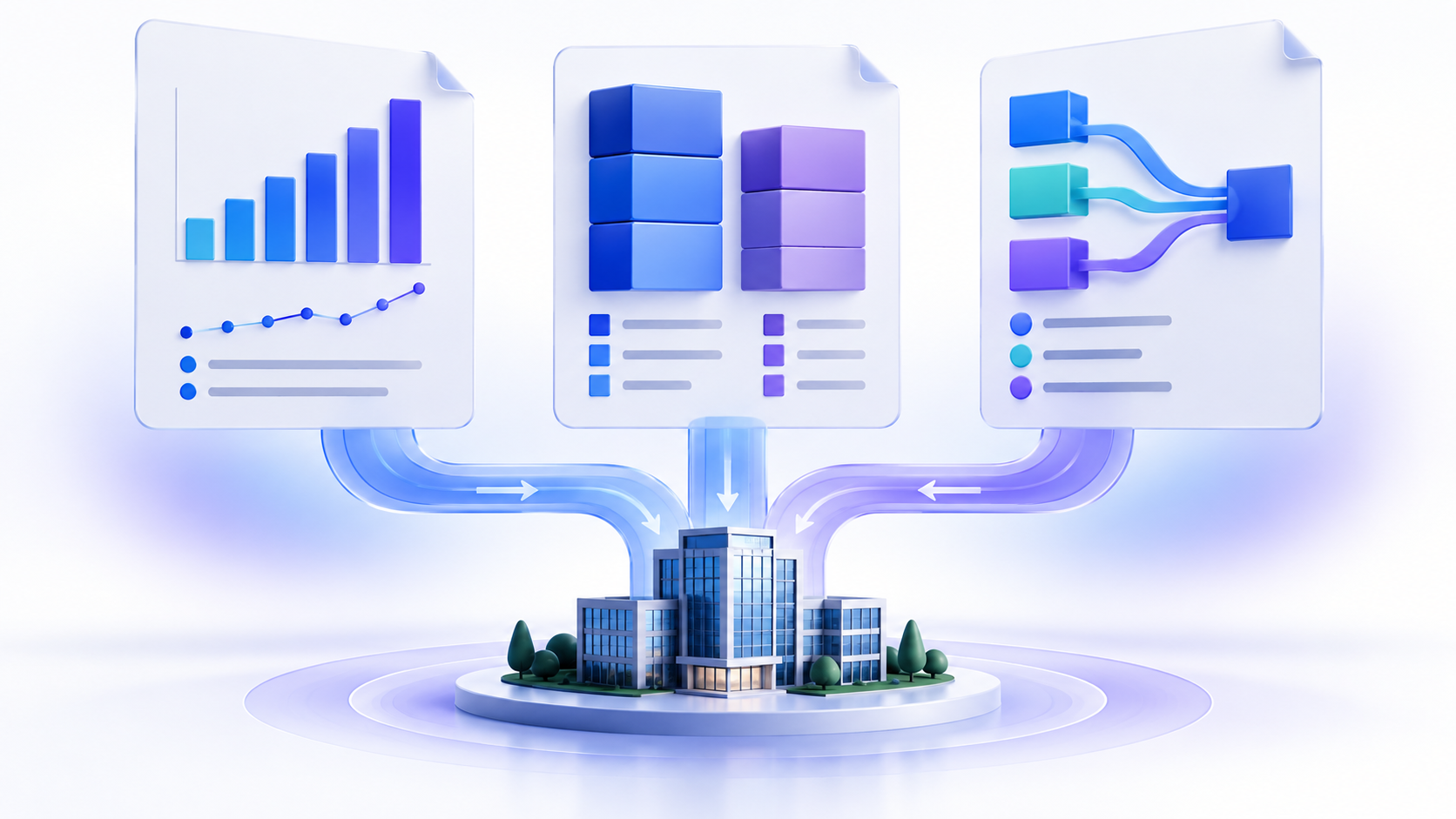
A statement is a different view of the same events报表只是同一组事件的不同视角
Financial statements become understandable when you follow transactions rather than memorize labels. A credit sale can create revenue and a receivable before cash arrives. Inventory becomes expense when the related goods are sold, not necessarily when suppliers are paid. Equipment cash leaves at purchase while depreciation enters profit over later periods. Borrowing brings cash without creating revenue; principal repayment uses cash without becoming expense. At period-end, these event trails produce flows of income and cash plus a snapshot of assets, liabilities, and equity. The notes explain the policies, estimates, and classifications behind those summarized lines.
理解财务报表,关键不是背科目名称,而是追踪交易。赊销会在现金到达前形成收入和应收款;存货通常在相关商品售出时转成费用,而不一定在向供应商付款时;购买设备时现金先流出,折旧则在以后期间进入利润;借款带来现金却不是收入,偿还本金消耗现金却不是费用。期末,这些交易轨迹共同生成利润与现金等期间流量,以及资产、负债和权益的时点快照。附注则解释这些汇总项目背后的政策、估计与分类。
The story runs on two kinds of time这段故事同时运行在两种时间上
Revenue, expenses, profit, and cash movements describe activity between two dates. Ask “during which period?” A twelve-month sale total cannot be compared directly with a single day’s cash balance without explaining the different time bases.
期间收入、费用、利润和现金变动描述两个日期之间的活动,要问“发生在哪个期间”。十二个月销售额不能在没有说明时间基础的情况下,与某一天的现金余额直接比较。
Cash, receivables, inventory, equipment, payables, debt, and equity describe resources and claims at one date. Ask “as of when?” The closing snapshot becomes the opening position for the next reporting period.
时点快照现金、应收款、存货、设备、应付款、债务和权益描述某个日期的资源与请求权,要问“截至何时”。本期期末快照会成为下一报告期间的期初位置。
Accrual accounting adds a second distinction: economic effects can be recognized in a different period from the related cash receipt or payment. This is why “profitable” and “cash-generative” are not synonyms. The difference is not automatically suspicious; it may represent ordinary customer credit, supplier terms, inventory held for future delivery, depreciation, or an accrual. The analytical task is to identify the transaction causing the timing difference and test whether it is recoverable, repeatable, and properly described.
权责发生制又增加一层区别:交易的经济影响,可能与相关现金收付在不同期间确认。因此“有利润”和“产生现金”不是同义词。二者存在差异并不自动代表异常,它可能来自正常客户信用、供应商账期、为未来交付持有的存货、折旧或应计项目。分析任务是找出造成时间差的交易,并判断相关金额能否收回、是否会重复,以及披露是否充分。
For every line, ask: what event created it, when was the economic effect recognized, when did cash move, what remains at period-end, and which note defines the treatment?
贯穿本页的问题面对每一行都追问:什么事件创造了它,经济影响何时确认,现金何时移动,期末还剩下什么,以及哪条附注定义了处理方式?
Opening curtain: LumenStage before the year begins开场快照:年度开始前的 LumenStage
LumenStage Lighting Works is a fictional stage-lighting equipment manufacturer created for this lesson; it is not a real company or security. All amounts are illustrative currency units for the year ended 31 December 20X1. Its opening snapshot contains cash 50, inventory 30, and production equipment with a net carrying amount of 60: total assets 140. Supplier payables are 20, bank debt is 40, and equity is 80. The accounting equation balances: assets 140 = liabilities 60 + equity 80.
LumenStage Lighting Works 是为本教程虚构的舞台灯光设备制造商,并非真实公司或证券。全部金额均为演示货币单位,报告期截至 20X1 年 12 月 31 日。期初快照包括现金 50、存货 30、账面净额 60 的生产设备,总资产 140;供应商应付款 20、银行债务 40、权益 80。会计等式平衡:资产 140 = 负债 60 + 权益 80。
| Opening resource | Amount | Opening claim | Amount |
|---|---|---|---|
| Cash | 50 | Supplier payables | 20 |
| Inventory | 30 | Bank debt | 40 |
| Production equipment, net | 60 | Equity | 80 |
| Total assets | 140 | Total liabilities and equity | 140 |
| 期初资源 | 金额 | 期初请求权 | 金额 |
|---|---|---|---|
| 现金 | 50 | 供应商应付款 | 20 |
| 存货 | 30 | 银行债务 | 40 |
| 生产设备净额 | 60 | 权益 | 80 |
| 资产总额 | 140 | 负债与权益总额 | 140 |
These are assumed opening balances, not current facts. They do not say what LumenStage earned during 20X1 because the year has not yet unfolded. They establish the stocks of resources and claims against which the year’s flows will be measured. For simplicity, the example assumes no dividends, no new equity, no other receivables or liabilities, and no depreciation on the opening equipment; real statements contain many more accounts and estimates.
这些是案例假定的期初余额,不是当前事实,也无法说明 LumenStage 在 20X1 年赚了多少,因为年度交易尚未展开。它们建立资源与请求权的存量基准,之后才能衡量本年流量。为保持演示简洁,案例假定没有股利、没有新增权益、没有其他应收或负债,且期初设备不再计提折旧;真实报表会包含更多科目与估计。
The transaction trail: watch timing change the view交易轨迹:观察时点如何改变报表视角
| 20X1 event | Income effect | Cash effect | What remains on the closing snapshot |
|---|---|---|---|
| Buy inventory on supplier credit for 70 | None at purchase | None at purchase | Inventory +70; payables +70 |
| Sell lighting rigs on credit for 120; related inventory cost 65 | Revenue +120; cost of sales −65 | None at sale | Receivables +120; inventory −65; retained profit +55 before other expenses |
| Collect 100 from customers | None; revenue was recorded at sale | Cash +100 | Receivables −100, leaving 20 |
| Pay suppliers 75 | None at payment for inventory already capitalized | Cash −75 | Payables −75, leaving 15 after current purchases |
| Buy production equipment for cash 24 on 1 January; four-year straight-line life, no residual value | Depreciation −6 for 20X1 | Investing cash −24 at purchase | Equipment +24 cost and −6 accumulated depreciation; net +18 |
| Borrow 30 from a bank | No revenue or profit | Financing cash +30 | Debt +30 |
| Pay 5 interest and repay 12 principal | Interest expense −5; principal has no profit effect | Cash −17; classified under the illustration’s stated policy | Debt −12; no interest payable remains |
| Pay wages and administration 24; recognize and pay tax 8 | Operating expenses −24; tax expense −8 | Cash −32 | No related payable remains in this simplification |
| 20X1 交易 | 利润影响 | 现金影响 | 期末快照留下什么 |
|---|---|---|---|
| 以供应商信用采购存货 70 | 采购时无影响 | 采购时无影响 | 存货 +70;应付款 +70 |
| 赊销灯光设备 120;相关存货成本 65 | 收入 +120;销售成本 −65 | 销售时无现金 | 应收款 +120;存货 −65;其他费用前留存利润 +55 |
| 向客户收款 100 | 无影响;收入已在销售时记录 | 现金 +100 | 应收款 −100,剩余 20 |
| 向供应商付款 75 | 支付已资本化存货款时无利润影响 | 现金 −75 | 结合本期采购后,应付款剩余 15 |
| 1 月 1 日现金购买设备 24;直线法四年、无残值 | 20X1 折旧 −6 | 购买时投资现金 −24 | 设备成本 +24、累计折旧 −6;净增加 18 |
| 向银行借款 30 | 不形成收入或利润 | 融资现金 +30 | 债务 +30 |
| 支付利息 5,并偿还本金 12 | 利息费用 −5;本金不影响利润 | 现金 −17;按本例说明的政策分类 | 债务 −12;无剩余应付利息 |
| 支付工资与管理费 24;确认并支付税费 8 | 经营费用 −24;所得税费用 −8 | 现金 −32 | 本简化案例无相关期末应付款 |
The table separates transaction facts from calculations. The facts are the fictional prices, costs, payments, life estimate, and policy choices stated in each row. Calculations include depreciation of 24 ÷ 4 = 6 and the remaining customer receivable of 120 − 100 = 20. Interpretation comes later. A real issuer may use different recognition, measurement, and cash-flow classification under its applicable framework; the accounting-policy and line-item notes determine the correct treatment.
表格把交易事实与计算分开。事实是每一行明确写出的虚构价格、成本、付款、使用寿命估计和政策选择;计算包括折旧 24 ÷ 4 = 6,以及剩余客户应收款 120 − 100 = 20。解释应放在更后面。真实发行人会依据适用框架采用不同确认、计量和现金流分类,必须由会计政策与科目附注决定正确处理。
At closing, the transaction trail becomes performance期末关账:交易轨迹汇成经营表现
| Simplified income statement for 20X1 | Amount | Transaction origin |
|---|---|---|
| Revenue | 120 | Lighting rigs transferred to customers on credit |
| Cost of sales | (65) | Inventory associated with the rigs sold |
| Gross profit | 55 | 120 − 65 |
| Wages and administration | (24) | Operating services consumed during the year |
| Depreciation | (6) | One year of the new equipment’s assumed four-year life |
| Operating profit | 25 | 55 − 24 − 6 |
| Interest expense | (5) | Cost of borrowed funds during the year |
| Tax expense | (8) | Simplified assumption: expense equals cash paid |
| Net income | 12 | 25 − 5 − 8 |
| 20X1 简化利润表 | 金额 | 交易来源 |
|---|---|---|
| 收入 | 120 | 向客户赊销并转移灯光设备 |
| 销售成本 | (65) | 与已售设备相关的存货 |
| 毛利 | 55 | 120 − 65 |
| 工资与管理费 | (24) | 年度内消耗的经营服务 |
| 折旧 | (6) | 新设备假定四年寿命中的一年 |
| 营业利润 | 25 | 55 − 24 − 6 |
| 利息费用 | (5) | 本年使用借款资金的成本 |
| 所得税费用 | (8) | 简化假设:费用等于已付现金 |
| 净利润 | 12 | 25 − 5 − 8 |
The income statement is an interval report: it measures recognized performance during 20X1, not invoices collected or cash left at 31 December. The credit sale contributes all 120 of revenue even though only 100 was collected. The equipment purchase contributes only 6 of depreciation expense despite using 24 of cash. Borrowing 30 does not improve profit, and repaying 12 of principal does not reduce it. These differences follow the nature and timing of the underlying events.
利润表是一份期间报告,衡量 20X1 年确认的经营表现,而不是已收发票金额,也不是 12 月 31 日剩余现金。赊销贡献全部 120 收入,尽管只收回 100;设备购买消耗 24 现金,却只产生 6 折旧费用;借款 30 不会提高利润,偿还本金 12 也不会降低利润。这些差异来自底层事件的性质与确认时点。
The final frame holds what remains and explains the cash最后一帧:留下什么,以及现金为何变化
| Simplified closing balance sheet | Amount | Closing balance calculation |
|---|---|---|
| Cash | 32 | Opening 50 plus net cash decrease (18) |
| Receivables | 20 | Credit sales 120 − collections 100 |
| Inventory | 35 | Opening 30 + purchases 70 − cost sold 65 |
| Production equipment, net | 78 | Opening net 60 + purchase 24 − depreciation 6 |
| Total assets | 165 | 32 + 20 + 35 + 78 |
| Supplier payables | 15 | Opening 20 + credit purchases 70 − payments 75 |
| Bank debt | 58 | Opening 40 + borrowing 30 − principal repaid 12 |
| Equity | 92 | Opening 80 + net income 12; no dividends or issuance |
| Total liabilities and equity | 165 | 15 + 58 + 92 |
| 简化期末资产负债表 | 金额 | 期末余额计算 |
|---|---|---|
| 现金 | 32 | 期初 50 + 现金净减少 (18) |
| 应收款 | 20 | 赊销 120 − 收款 100 |
| 存货 | 35 | 期初 30 + 采购 70 − 已售成本 65 |
| 生产设备净额 | 78 | 期初净额 60 + 购买 24 − 折旧 6 |
| 资产总额 | 165 | 32 + 20 + 35 + 78 |
| 供应商应付款 | 15 | 期初 20 + 信用采购 70 − 付款 75 |
| 银行债务 | 58 | 期初 40 + 借款 30 − 偿还本金 12 |
| 权益 | 92 | 期初 80 + 净利润 12;无股利或发行 |
| 负债与权益总额 | 165 | 15 + 58 + 92 |
| Simplified 20X1 cash flow | Amount | Cash event |
|---|---|---|
| Operating cash flow | (12) | Customer collections 100 − supplier payments 75 − wages/admin 24 − interest 5 − tax 8 |
| Investing cash flow | (24) | Production equipment purchase |
| Financing cash flow | 18 | Bank borrowing 30 − principal repayment 12 |
| Net decrease in cash | (18) | (12) − 24 + 18 |
| Opening / closing cash | 50 / 32 | 50 − 18 = 32 |
| 20X1 简化现金流量 | 金额 | 现金事件 |
|---|---|---|
| 经营现金流 | (12) | 客户收款 100 − 供应商付款 75 − 工资管理费 24 − 利息 5 − 税费 8 |
| 投资现金流 | (24) | 购买生产设备 |
| 融资现金流 | 18 | 银行借款 30 − 偿还本金 12 |
| 现金净减少 | (18) | (12) − 24 + 18 |
| 期初 / 期末现金 | 50 / 32 | 50 − 18 = 32 |
Start with net income 12; add non-cash depreciation 6; subtract the receivables increase 20; subtract the inventory increase 5; subtract the payables decrease 5. The result is operating cash flow of −12. This illustration classifies interest paid as operating; actual classification follows the applicable framework and policy.
经营现金间接法检查从净利润 12 开始,加回非现金折旧 6,减去应收款增加 20、存货增加 5、应付款减少 5,得到经营现金流 −12。本例把已付利息列入经营活动;真实分类应遵循适用框架与公司政策。
The totals close, but the notes decide the meaning总数已经闭合,含义仍由附注决定
The revenue note explains when control transfers, variable consideration, returns, contract balances, and disaggregation. The receivables note adds ageing and loss allowances; the inventory note adds costing and write-down policy.
确认与估计收入附注解释控制权转移、可变对价、退货、合同余额和分类;应收款附注补充账龄与损失准备;存货附注补充计价与减记政策。
Depreciation is an allocation based on cost, useful life, residual value, and method. It is not the current cash purchase and does not necessarily equal economic value lost during the period.
非现金分配折旧是基于成本、使用寿命、残值与方法的分配,不等于本期购买现金,也不一定等于期间内损失的经济价值。
Operating, investing, and financing presentation depends on the applicable standards and policy. Compare like with like and read the cash-flow policy before interpreting cross-company differences.
分类选择经营、投资和融资列报取决于适用准则与政策。跨公司解释差异前,应先阅读现金流政策并统一口径。
Debt maturity, covenants, leases, purchase commitments, contingencies, and subsequent events can alter the risk picture without changing the arithmetic shown in the simplified primary statements.
表面项目之外的承诺债务到期、契约、租赁、采购承诺、或有事项和期后事项,可以在不改变简化主表算术的情况下,显著改变风险图景。
LumenStage’s statements balance, but balance is a mechanical requirement, not proof of business quality. Reported fact: the fictional company recognized net income 12 and ended with cash 32. Calculation: operating cash was −12 because collection and operating payments differed from recognized profit. Assumption: the equipment life, tax simplification, classifications, and omitted accounts. Judgment: a reader should investigate receivable collectability, inventory demand, supplier terms, and debt capacity before interpreting the cash shortfall. Missing evidence belongs in the notes, not in a guess.
LumenStage 的报表已经平衡,但平衡只是机械要求,不是业务质量证明。披露事实:虚构公司确认净利润 12,期末现金 32。计算:由于收款和经营付款与确认利润不同,经营现金为 −12。假设:设备寿命、税费简化、分类以及被省略科目。判断:解释现金缺口前,应继续调查应收款可收回性、存货需求、供应商条款和债务承受力。缺失证据应留在附注问题中,不能用猜测填补。
Trace a transaction across uploaded statements and notes在上传的三表与附注中追踪同一笔交易
Prepare a complete filing set rather than three cropped screenshots: income statement, balance sheet, cash flow statement, equity statement, accounting policies, and the relevant revenue, receivables, inventory, property-and-equipment, debt, tax, and cash-flow notes. State the reporting period, currency, units, and accounting framework. Ask the tool to start from one disclosed transaction or balance change and propose its income, cash, balance-sheet, and note trail, while marking any missing step.
InfiniSynapse Stock Explained can help organize the uploaded material into a plain-language draft, but every material line, sign, period, unit, classification, and cited policy must be checked against the original uploaded statements and notes. Reperform arithmetic such as opening cash plus net change equals closing cash and assets equal liabilities plus equity. If the tool cannot identify a source page, or if the statements use a policy different from the assumed trail, preserve the issue as unresolved and follow the disclosure.
不要只上传三张截断截图,而应准备完整申报组合:利润表、资产负债表、现金流量表、权益变动表、会计政策,以及相关收入、应收款、存货、固定资产、债务、税项和现金流附注。注明报告期间、币种、单位和会计框架。要求工具从一项已披露交易或余额变化出发,提出它在利润、现金、资产负债表与附注中的轨迹,并标出缺失环节。
InfiniSynapse“一眼看懂这只股票”可以帮助把上传资料整理成通俗草稿,但每个重要报表行的正负号、期间、单位、分类和引用政策,都必须回到上传的原始报表与附注核验。还要亲自复算“期初现金 + 净变动 = 期末现金”和“资产 = 负债 + 权益”等关系。若工具找不到来源页,或真实报表采用与假设轨迹不同的政策,就保留未决项并服从披露。
Bring the primary statements, equity statement, relevant notes, period, units, and one transaction you want traced.
准备主表、权益变动表、相关附注、报告期间、单位,以及一项希望追踪的交易。
Open Stock Explained打开“一眼看懂这只股票”Questions that arise from the transaction trail沿交易轨迹理解报表时常见的问题
Under accrual accounting, revenue timing follows the applicable recognition requirements and the company’s contract and policy, not simply the collection date. A credit sale can create revenue and a receivable. The receivables and revenue notes should explain collection risk, contract balances, and recognition judgments.
为什么收入会早于客户现金出现?在权责发生制下,收入时点取决于适用确认要求、公司合同和会计政策,而不只是收款日期。赊销可以同时形成收入与应收款。应收款和收入附注应解释回收风险、合同余额与确认判断。
Inventory is generally recorded as an asset until the related goods are sold or a write-down is required under the applicable policy. In the illustration, buying 70 increases inventory and payables; only the 65 attached to sold rigs becomes cost of sales. Supplier payment is a separate cash event.
为什么购买存货不会立即成为费用?存货通常先记录为资产,直到相关商品售出,或依据适用政策需要减记。本例采购 70 增加存货与应付款,只有与已售灯具相关的 65 转为销售成本;向供应商付款则是另一项现金事件。
Depreciation itself is a non-cash allocation in the period recorded. Cash usually moved when the asset was purchased, while depreciation allocates its depreciable amount across estimated use. Useful life, residual value, method, impairment, disposals, and new purchases in the property note affect interpretation.
折旧是否代表现金正在流出公司?折旧本身是记录期间内的非现金分配。现金通常在购买资产时已经流动,折旧则把可折旧金额分配到预计使用期间。使用寿命、残值、方法、减值、处置和新增购买都会影响解释,应查看固定资产附注。
Borrowing exchanges cash for an obligation to repay; it does not represent earnings from customers. Principal repayment reduces cash and debt without becoming expense. Interest is the financing cost recognized under the applicable accounting treatment, with cash-flow classification determined by the relevant framework and policy.
为什么借款增加现金,却不增加利润?借款是用现金交换未来偿还义务,并非从客户处获得的经营成果。偿还本金同时减少现金和债务,不形成费用;利息是依据适用会计处理确认的融资成本,其现金流分类由相关框架与政策决定。
No. The accounting equation can balance while recognition, measurement, classification, estimates, or disclosures are wrong. Reconcile the arithmetic, then inspect policies, notes, comparative periods, audit report, and unusual changes. Mechanical agreement is a necessary check, not evidence that every economic judgment is sound.
资产负债表平衡,是否说明报表一定正确?不是。即使会计等式平衡,确认、计量、分类、估计或披露仍可能有问题。先核对算术,再检查政策、附注、可比期间、审计报告和异常变化。机械一致是必要检查,却不能证明所有经济判断都合理。
Primary accounting references and limits一手会计参考与适用边界
LumenStage and every transaction, balance, useful-life estimate, tax assumption, and policy choice in the worked trail are fictional teaching inputs. The illustration is internally consistent but deliberately simplified. Actual recognition, measurement, presentation, and cash-flow classification depend on the issuer’s applicable accounting standards, contracts, estimates, and disclosed policies.
Financial statements are evidence about a reporting entity, not a complete investment decision. Carrying amounts need not equal market values, and a transaction trail does not determine future performance or suitability. Read the full filing, notes, audit report, comparative information, and subsequent events before forming a company-specific view.
LumenStage 以及案例中的每笔交易、余额、使用寿命估计、税费假设和政策选择,都是虚构教学输入。演示在算术上自洽,但有意简化。真实确认、计量、列报和现金流分类,取决于发行人适用的会计准则、合同、估计与披露政策。
财务报表只是报告主体的证据,不是完整投资决策。账面金额不必等于市场价值,交易轨迹也无法确定未来表现或个人适配性。形成公司具体判断前,还要阅读完整申报、附注、审计报告、可比信息和期后事项。