
What product attribution software is什么是产品归因软件
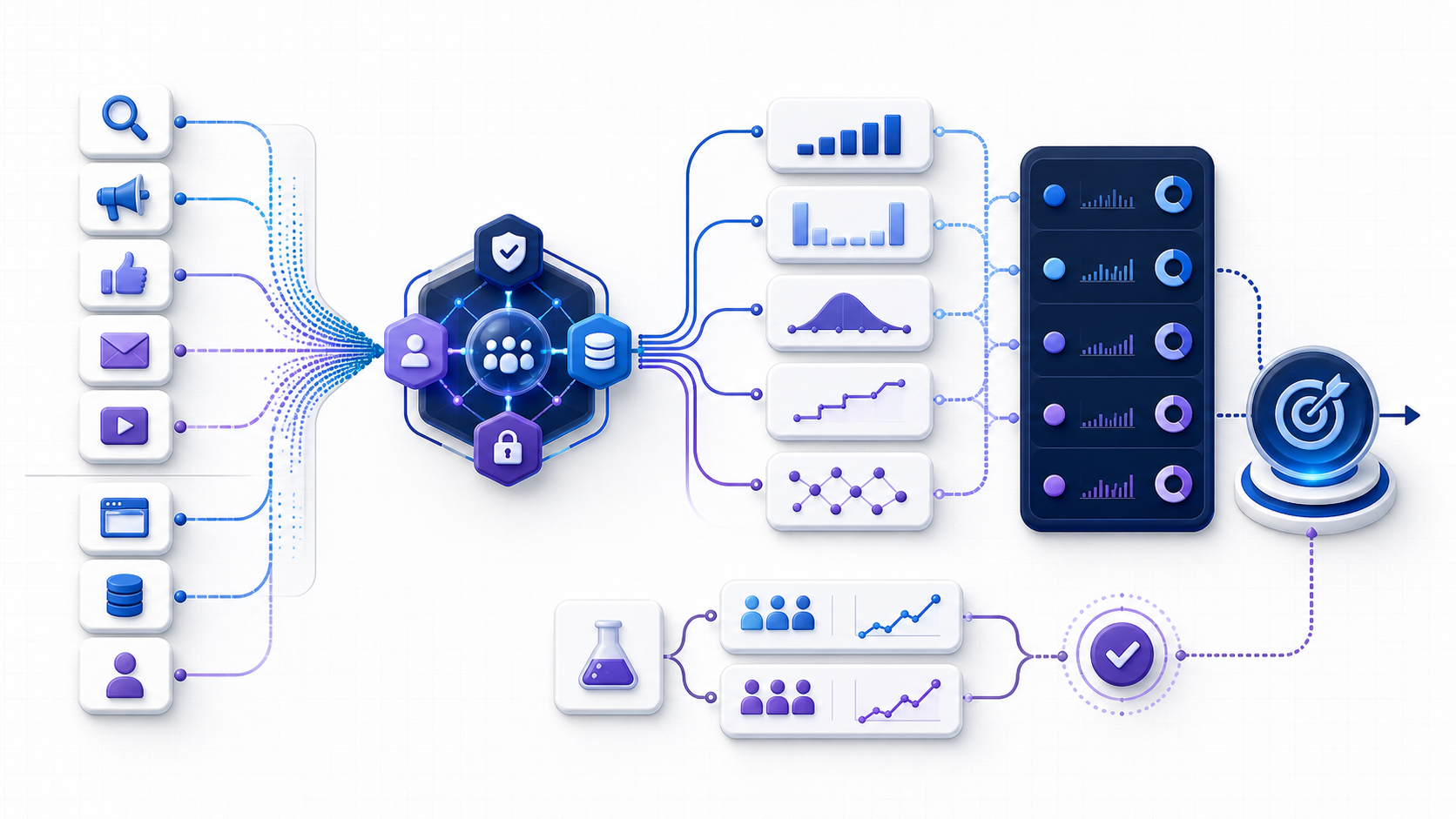
Product attribution software assigns credit for a conversion across the touches it actually observed, including campaign clicks and in-product events such as signup, activation, trial, and upgrade. It reports a model of those paths. It does not prove that a touch caused the conversion.
产品归因软件把一次转化的功劳分给它实际观察到的触点,包括活动点击,以及注册、激活、试用和升级这类产品内事件。它报告的是这些路径的模型,不能证明某个触点导致了转化。
The useful output is not a single “true” number. It is a reproducible view whose sources, identity stitching, attribution window, conversion rules, exclusions, model version, and uncertainty can be inspected. A defensible purchase therefore begins with the decision and claim boundary: tactical path credit, budget planning, B2B pipeline influence, mobile acquisition, ecommerce revenue, or incremental impact.
有用输出不是一个所谓“真实”的单一数字,而是可复现视图:其数据源、身份拼接、归因窗口、转化规则、排除项、模型版本和不确定性都能检查。因此,可靠选型应从决策与结论边界开始:战术路径贡献、预算规划、B2B 管道影响、移动获客、电商收入,还是增量影响。
Attribution is not incrementality. Attribution divides observed credit among eligible touches. Incrementality estimates the counterfactual difference caused by an intervention. Use attribution for path reporting and hypothesis generation; use suitable experiments or another credible causal design when the decision requires causal impact. For the broader workflow, read the live marketing data analysis guide.
归因不等于增量衡量。归因在符合条件的已观察触点之间分配贡献;增量衡量估计干预造成的反事实差异。归因适合路径报告和生成假设;当决策需要因果影响时,应使用合适实验或其他可信因果设计。如需了解更广泛的工作流,请阅读已上线的营销数据分析指南。
Product events versus channel credit产品内事件与渠道功劳
Channel credit uses ads, email, organic search, and referral visits. Product credit uses events inside the product: signup, activation, trial, upgrade, and renewal. Product attribution software has to keep both, joined by a stable identity key. A product funnel is not a channel report, and a last click is not proof the in-product step caused revenue.
渠道功劳来自广告、邮件、自然搜索和引荐访问。产品功劳来自产品内部事件:注册、激活、试用、升级和续费。产品归因软件必须同时保留两者,并用稳定的身份键连起来。产品漏斗不是渠道报告,末次点击也不能证明产品内步骤造成了收入。
The same software is asked three different questions. B2B teams need account, opportunity, and pipeline identifiers across a long cycle. Ecommerce teams need orders, refunds, and net revenue. Product-led teams need the path from a campaign click to signup, activation, and paid upgrade. A vendor list names products that claim those jobs. It does not show whether your events, identity, and revenue already reconcile. If they do not, every model on that list is scoring an incomplete path. Product-usage questions that stay inside the account belong on the customer analytics guide.
同一套软件会被问三种不同的问题。B2B 团队需要跨长周期的账户、商机和管道标识。电商团队需要订单、退款和净收入。产品驱动团队需要从活动点击到注册、激活和付费升级的路径。厂商名单只列出声称能做这些事的产品,不会说明你的事件、身份和收入是否已经对得上。对不上时,名单上的每个模型都在给一条不完整的路径打分。仍停在账户内部的产品使用问题,见客户分析指南。
Compare marketing attribution software by measurement method按衡量方法比较营销归因软件
Products often combine several methods, yet the underlying questions differ. Compare the method and evidence first; then verify that the software implements it transparently for your data, channels, sales cycle, and operating cadence. Attribution software is one layer of a wider stack. Place it with the marketing analytics tools comparison, which keeps journey credit separate from incremental experiments.
产品经常组合多种方法,但底层问题并不相同。应先比较方法与证据,再验证软件是否能针对你的数据、渠道、销售周期和运营频率透明实现。归因软件只是更宽技术栈中的一层。把它放进营销分析工具对比里看,那里把旅程功劳和增量实验分开。
| Method方法 | Question answered回答的问题 | Inputs输入 | Main limit主要局限 |
|---|---|---|---|
| First- or last-touch首次或末次触点 | Which eligible touch opens or closes the measured path?哪个符合条件的触点开启或结束已测路径? | Ordered touchpoints and conversion有序触点与转化 | Ignores or compresses other contributions忽略或压缩其他贡献 |
| Rule-based multi-touch attribution规则型多触点归因 | How should credit be distributed under a chosen rule?按所选规则应如何分配贡献? | Paths, weights, windows, exclusions路径、权重、窗口、排除项 | Weights express policy, not causal truth权重表达政策,不是因果事实 |
| Algorithmic or data-driven attribution算法或数据驱动归因 | How does a fitted model allocate observed credit?拟合模型如何分配已观察贡献? | Sufficient paths, outcomes, features, model rules足量路径、结果、特征与模型规则 | Sensitive to coverage, selection, drift, and opacity受覆盖、选择、漂移与不透明性影响 |
| Marketing mix modeling营销组合建模 | How are aggregate outcomes associated with media and other drivers over time?总体结果如何随媒体及其他驱动因素变化? | Time-series spend, outcomes, controls时间序列花费、结果与控制变量 | Lower granularity; specification and validation matter粒度较低;模型设定与验证很关键 |
| Incrementality experiments增量实验 | What changed because of an intervention?干预实际造成了什么变化? | Treatment, control, outcome, valid assignment处理组、对照组、结果与有效分配 | Operationally demanding and scoped to tested conditions运营要求高,结论限于测试条件 |
A mature measurement program may use several methods: path attribution for recurring channel reporting, marketing mix modeling for aggregate planning, and experiments for selected causal decisions. The planning step is marketing mix model optimization. Software should preserve the distinctions rather than blend outputs into an unexplained composite score.
成熟衡量体系可能同时使用多种方法:路径归因用于周期渠道报告,营销组合建模用于总体规划,实验用于特定因果决策。规划步骤是营销组合模型优化。软件应保留这些区别,而不是把输出混成无法解释的综合分数。
Prepare the data contract before buying attribution software购买归因软件前先准备数据契约
Software cannot recover touchpoints that were never captured or repair undefined business outcomes by itself. Before evaluation, document the conversion, source systems, event grain, identifiers, time zones, currencies, consent basis, retention, lookback window, late-arriving outcomes, refunds, exclusions, and reconciliation totals.
软件无法恢复从未采集的触点,也不能自行修复未定义的业务结果。评估前应记录转化、源系统、事件粒度、标识、时区、币种、同意基础、保留规则、回溯窗口、延迟结果、退款、排除项和对账总数。
Prepare lead, contact, account, opportunity, stage, campaign-member, and revenue identifiers. Test account merging, long sales cycles, offline touches, and reopened opportunities.
准备线索、联系人、账户、商机、阶段、活动成员与收入标识,并测试账户合并、长销售周期、线下触点和重新开启的商机。
Prepare sessions, clicks, orders, customer keys, product and margin fields, refunds, discounts, currencies, and order-state rules. Reconcile net revenue, not just platform conversions.
准备会话、点击、订单、客户键、商品与利润字段、退款、折扣、币种和订单状态规则,并对账净收入,而不只是平台转化。
Map install, re-engagement, in-app events, campaign identifiers, platform privacy signals, and postback timing. Expect incomplete or aggregated observations.
映射安装、再互动、应用内事件、活动标识、平台隐私信号和回传时序,并预期观察可能不完整或已聚合。
Document lawful basis, consent behavior, retention, deletion, role access, geographic restrictions, exports, sub-processors, and audit needs with responsible counsel and security owners.
与负责的法律和安全人员记录合法基础、同意行为、保留、删除、角色访问、地域限制、导出、分处理者和审计需求。
Not ready: delay procurement when conversion ownership is unclear, revenue cannot reconcile, stable keys do not exist, consent requirements are unresolved, or nobody owns model changes. A simpler channel report may be more honest until these foundations improve.
尚未准备好:当转化责任不清、收入无法对账、稳定键不存在、同意要求未解决或无人负责模型变更时,应推迟采购。在基础改善前,简单渠道报告可能更诚实。
Evaluate marketing attribution software on evidence, not model names按证据而非模型名称评估营销归因软件
A long model list can hide poor coverage, unstable identity resolution, opaque windows, and weak reconciliation. Weight criteria according to the decision. For finance-facing revenue reporting, lineage and net-revenue reconciliation should outweigh decorative dashboards. For rapid campaign optimization, freshness and explainable breakdowns may matter more than a sophisticated model that operators cannot audit.
冗长模型列表可能掩盖覆盖不足、身份解析不稳定、窗口不透明和对账薄弱。应根据决策加权标准。面向财务的收入报告中,血缘与净收入对账应高于装饰性仪表板;快速活动优化中,数据新鲜度与可解释拆分可能比运营人员无法审计的复杂模型更重要。
| Criterion标准 | Test question测试问题 | Evidence to request应索取的证据 |
|---|---|---|
| Data coverage数据覆盖 | Does it cover required sources, fields, history, regions, and identities?是否覆盖必要来源、字段、历史、地区和身份标识? | Connector field map and sample extraction连接器字段映射与样例抽取 |
| Reliability可靠性 | How are late data, schema changes, retries, and backfills handled?如何处理延迟数据、Schema 变更、重试和回填? | Refresh logs, alerts, failure drill, reconciliation history刷新日志、告警、失败演练、对账历史 |
| Identity and conversion rules身份与转化规则 | Can keys, merges, deduplication, windows, exclusions, and owners be controlled?能否控制键、合并、去重、窗口、排除项和负责人? | Known-path tests and trace from conversion to source events已知路径测试及转化到源事件的追溯 |
| Model transparency模型透明度 | Are eligible touches, weights, assumptions, version changes, and uncertainty inspectable?符合条件的触点、权重、假设、版本变化和不确定性是否可检查? | Model documentation, sensitivity comparison, reproducible result模型文档、敏感性比较和可复现结果 |
| Governance and privacy治理与隐私 | Are access, retention, consent, deletion, residency, and audit needs supported?是否支持访问、保留、同意、删除、驻留和审计要求? | Security documentation, role test, and data-flow review安全文档、角色测试和数据流审查 |
| Operator fit操作者适配 | Can intended users answer the recurring questions without a permanent workaround?实际用户能否在没有长期绕行方案的情况下回答周期问题? | Hands-on task completed by representative users由代表性用户完成的实操任务 |
| Total cost总成本 | What do licenses, connectors, storage, engineering, training, and review cost together?许可证、连接器、存储、工程、培训和复核合计成本是多少? | Twelve-month cost model with usage assumptions包含用量假设的十二个月成本模型 |
| Portability可迁移性 | Can raw data, definitions, and outputs be exported in useful formats?原始数据、定义和输出能否以实用格式导出? | Exit test, API or export sample, and ownership terms退出测试、API 或导出样例与所有权条款 |
How to choose marketing attribution software in seven steps如何用七个步骤选择营销归因软件
- Write the decision before naming software先写清决策,再写软件名称Specify who decides, what may change, the decision cadence, and what evidence is sufficient. “Improve marketing” is too broad; “decide the next monthly paid-search budget within a defined margin guardrail” is testable.明确谁负责决策、什么可以改变、决策频率,以及什么证据足够。“改善营销”过于宽泛;“在明确利润护栏内决定下月付费搜索预算”才可测试。
- Inventory sources and contracts盘点数据源与契约List owners, grains, keys, time zones, currencies, lookback windows, consent basis, retention, refresh timing, known gaps, and reconciliation totals for every required source.为每个必要来源列出负责人、粒度、键、时区、币种、回溯窗口、同意基础、保留规则、刷新时间、已知缺口和对账总数。
- Choose the attribution policy and claim boundary选择归因政策并界定结论边界Define eligible touches, conversion, lookback window, identity scope, model, reporting grain, and whether the task is descriptive or causal. Do not select attribution software for a causal question merely because it reports ROAS.定义符合条件的触点、转化、回溯窗口、身份范围、模型、报告粒度,以及任务属于描述还是因果。不要仅因归因软件报告 ROAS,就用它回答因果问题。
- Design the smallest architecture设计最小架构Mark each system of record, transformation, metric layer, analysis surface, and delivery point. Reuse a component only when its rules are transparent and it does not create a fragile dependency.标出每个记录系统、转换、指标层、分析界面和交付点。只有在规则透明且不会形成脆弱依赖时才复用组件。
- Run a representative proof of concept运行代表性概念验证Use appropriately protected data and difficult known paths—not a polished vendor dataset. Include duplicate touches, missing identifiers, late revenue, refunds, direct traffic, a model change, and a restricted user.使用得到适当保护的数据和困难的已知路径,而不是厂商精修数据集。应包含重复触点、缺失标识、延迟收入、退款、直接流量、模型变化和受限用户。
- Score evidence and total cost为证据与总成本评分Weight must-have criteria before demonstrations. Record proof, uncertainty, implementation work, training, review, connector, storage, and exit costs; do not turn a subjective impression into false precision.演示前先为必需标准设定权重。记录证据、不确定性、实施工作、培训、复核、连接器、存储和退出成本;不要把主观印象包装成虚假精度。
- Pilot, reconcile, and define ownership试点、对账并明确责任Run the old and new paths in parallel for a defined period. Investigate differences, obtain user acceptance, document metric and pipeline owners, set failure alerts, and define rollback before wider adoption.在确定周期内并行运行新旧路径,调查差异,取得用户验收,记录指标和管道负责人,设置失败告警,并在扩大采用前定义回滚方案。
Use a weighted scorecard without manufacturing certainty使用加权评分表,但不要制造确定性
Use the scorecard to preserve why a procurement choice was made. Freeze weights and pass/fail gates before demonstrations, run identical attribution cases for every candidate, and link each rating to a test result or contract term. Missing deletion support, unusable exports, or unexplained revenue variance should remain disqualifying even when the interface is attractive.
评分表用于保留采购选择背后的理由。应在演示前锁定权重和通过条件,让每个候选运行相同的归因案例,并把每项评分连接到测试结果或合同条款。即使界面出色,缺少删除支持、导出不可用或收入差异无法解释,也应继续作为否决条件。
| Criterion标准 | Example weight示例权重 | Minimum proof最低证据 | Disqualifier example一票否决示例 |
|---|---|---|---|
| Required-source coverage必要来源覆盖 | 20% | Field-level extraction succeeds字段级抽取成功 | Missing revenue identifier缺少收入标识 |
| Identity and reconciliation controls身份与对账控制 | 20% | Known paths and conversion totals reproduce已知路径与转化总数可重现 | Unexplained identity or revenue gap身份或收入差异无法解释 |
| Model transparency and fit模型透明度与适配 | 15% | Model comparison completed with assumptions shown模型比较完成且显示假设 | Claim exceeds method结论超出方法能力 |
| Governance and privacy治理与隐私 | 15% | Access and deletion tests pass访问和删除测试通过 | Required control absent缺少必要控制 |
| User workflow用户工作流 | 15% | Target operator completes task unaided目标操作者独立完成任务 | Permanent manual workaround需要长期手工绕行 |
| Total cost and portability总成本与可迁移性 | 15% | Twelve-month model and export test十二个月模型和导出测试 | No usable exit path没有可用退出路径 |
The percentages illustrate a possible starting point and should change with the buying context. A regulated buyer may prioritize access and deletion controls, while a lean team may give more weight to operator effort and predictable cost. Beside every rating, record whether the evidence came from a completed test, binding documentation, a vendor assertion, or an open dependency.
表中百分比只是一个起点,应随采购情境调整。受监管团队可能更看重访问与删除控制,精简团队则可能更关注操作成本和费用可预测性。每项评分旁都应注明证据来自已完成测试、约束性文档、厂商陈述,还是尚未解决的依赖。
Hypothetical example: selecting attribution software for B2B revenue假设示例:为 B2B 收入选择归因软件
Scenario (illustrative, not a customer case): a subscription business wants a weekly paid-search budget view. It has ad clicks, website forms, CRM contacts and opportunities, subscription invoices, and cancellations. One buyer may use several devices and colleagues from the same account may interact before a deal. Platform conversions do not reconcile to booked revenue.
场景(仅为说明,并非客户案例):一家订阅业务希望每周查看付费搜索预算。它拥有广告点击、网站表单、CRM 联系人与商机、订阅发票和取消记录。一个买家可能使用多台设备,同一账户的多位同事也可能在成交前互动。平台转化无法与已确认收入对账。
The team defines the conversion as a paid invoice, keeps ad platforms as spend sources, CRM as the opportunity-history source, and billing as the revenue source. It documents account matching, duplicate-form handling, direct traffic, a 120-day illustrative lookback window, currency conversion, refunds, and late invoices. During the proof of concept, it sends the same known paths through last-touch, a stated rule-based multi-touch model, and the candidate algorithmic model. Reviewers compare allocation changes, unmatched records, and net-revenue totals rather than accepting the most flattering ROAS.
团队把转化定义为已支付发票,广告平台作为花费来源,CRM 作为商机历史来源,计费系统作为收入来源。它记录账户匹配、重复表单处理、直接流量、示例性的 120 天回溯窗口、币种转换、退款和延迟发票。概念验证中,同一批已知路径分别通过末次触点、明确的规则型多触点模型和候选算法模型。复核者比较分配变化、未匹配记录和净收入总数,而不是接受最漂亮的 ROAS。
If the team then wants to claim that paid search caused incremental revenue, it designs a suitable experiment separately. Attribution remains the operating view for observed paths; the experiment answers the narrower causal question under tested conditions. This separation lets the software help without turning model output into unsupported certainty.
如果团队随后想声称付费搜索造成了增量收入,就应单独设计合适实验。归因仍是已观察路径的运营视图;实验在测试条件下回答更窄的因果问题。这样既能发挥软件作用,也不会把模型输出包装成缺乏支持的确定性。
Common marketing attribution software mistakes and limits营销归因软件的常见错误与局限
The product demo becomes the requirements document. Begin with decisions, evidence, users, and controls.
产品演示反而成为需求文档。应先定义决策、证据、用户和控制。
Moving records does not resolve identity, window, currency, taxonomy, or metric conflicts.
搬运记录并不能解决身份、窗口、币种、分类或指标冲突。
A trend or correlation can direct investigation; it does not by itself explain the cause.
趋势或相关性可以引导调查,但本身不能解释原因。
Attribution allocates observed credit under assumptions. Incrementality asks what would have happened without the action.
归因在假设下分配已观察功劳;增量衡量追问没有该行动时会发生什么。
Collection capability does not establish a lawful or appropriate use. Review applicable rules and internal policy.
具备采集能力不代表使用合法或适当。应审查适用规则和内部政策。
Without usable exports and documented definitions, switching cost appears only after the workflow is dependent.
没有可用导出和记录完善的定义,切换成本往往在流程形成依赖后才暴露。
A vendor evaluation must test the gaps that attribution products inherit. Consent loss, browser blocking, cross-device journeys, account-level buying groups, platform aggregation, API limits, and late revenue all change the observable path. Ask the candidate to expose unmatched touches, identity confidence, refresh delays, and model-version changes so reviewers can distinguish an understood variance from a silent data loss.
厂商评估必须测试归因产品不可避免的数据缺口。同意缺失、浏览器拦截、跨设备旅程、账户级采购群体、平台聚合、API 限制和延迟收入都会改变可观察路径。应要求候选产品展示未匹配触点、身份置信度、刷新延迟和模型版本变化,帮助复核者区分可解释差异与静默数据丢失。
Validate the stack before and after launch上线前后验证营销分析技术栈
For attribution acceptance, freeze one representative period and publish its expected spend, touchpoint, conversion, and net-revenue totals. Run known customer paths through ingestion, identity matching, eligibility filters, credit allocation, and export. The buyer should be able to explain every variance caused by time zone, currency, lookback window, refund timing, or model version before signing off.
归因验收应冻结一个具有代表性的周期,并公布预期花费、触点、转化和净收入总数。让已知客户路径依次通过摄取、身份匹配、资格过滤、功劳分配与导出;在批准前,采购方必须能够解释由时区、币种、回溯窗口、退款时间或模型版本造成的每项差异。
- Data: required fields, history, duplicates, nulls, late data, deletions, and source totals are tested.数据:测试必要字段、历史、重复、空值、延迟数据、删除和源总数。
- Logic: approved metric definitions reproduce expected results on known examples and edge cases.逻辑:批准的指标定义能在已知示例和边界情况上重现预期结果。
- Access: representative roles can see only intended data; export, deletion, and audit behavior are verified.访问:代表性角色只能看到预期数据;导出、删除和审计行为得到验证。
- Operations: refresh failures, schema changes, retries, backfills, ownership, escalation, and rollback are rehearsed.运营:演练刷新失败、Schema 变化、重试、回填、责任、升级和回滚。
- Adoption: target users complete recurring tasks, explain the output, and know when not to use it.采用:目标用户能完成周期任务、解释输出,并知道何时不应使用。
Once deployed, monitor attribution-specific signals: touchpoint arrival lag, unmatched identity rate, conversion restatements, revenue variance, model-version drift, and export completeness. Review how often teams override the recommended view and whether budget meetings actually use it. Persistent manual reconciliation or parallel spreadsheets indicate that the accepted workflow still has an unresolved requirement.
部署后应监控归因特有信号:触点到达延迟、身份未匹配率、转化重述、收入差异、模型版本漂移和导出完整性。同时检查团队多久会覆盖系统视图,以及预算会议是否真正使用它。若长期依赖手工对账或平行表格,说明验收后的流程仍有需求未解决。
Where InfiniSynapse fits after attribution data is prepared归因数据准备完成后 InfiniSynapse 的位置
After the attribution engine produces governed exports, InfiniSynapse can compare allocation models, investigate unmatched touchpoints, and reconcile credited revenue with warehouse outcomes. This analysis layer complements the collection and modeling systems; it still depends on approved identity rules, lawful data use, documented attribution policy, and separate causal evidence when incrementality matters.
归因引擎生成受治理导出后,InfiniSynapse 可用于比较功劳分配模型、调查未匹配触点,并把归因收入同仓库结果对账。该分析层用于补充采集与建模系统;它仍依赖已批准的身份规则、合规数据使用、明确的归因政策,以及在关注增量时单独取得的因果证据。
Provide governed touchpoint, conversion, spend, and revenue data; name the model versions and lookback windows; and include the source totals each export must match. Then compare how candidate models reallocate credit and request exception tables for unmatched journeys, late conversions, and revenue differences.
请提供受治理的触点、转化、花费与收入数据,注明模型版本和回溯窗口,并附上每份导出必须匹配的源总数;随后可以比较候选模型如何重新分配功劳,并生成未匹配旅程、延迟转化和收入差异的异常表。
Open the InfiniSynapse analysis app打开 InfiniSynapse 分析应用Keep channel pixels, consent controls, identity graphs, and attribution computation in the systems responsible for those functions. Use InfiniSynapse to interrogate their prepared outputs across sources, document discrepancies, and support a reviewer who must decide whether the attribution view is reliable enough for the stated budget question.
渠道 Pixel、同意控制、身份图谱和归因计算仍应由相应系统负责。InfiniSynapse 用于跨来源分析这些系统准备好的输出、记录差异,并帮助复核者判断归因视图是否足以支持既定预算问题。
Marketing attribution software frequently asked questions营销归因软件常见问题
Product attribution software assigns observed conversion credit across channel touches and in-product events under a stated model. Compare coverage, identity, and model limits before a vendor list decides the purchase. It does not, by itself, prove which touch caused the sale.
产品归因软件按明确模型,把已观察到的转化功劳分给渠道触点和产品内事件。在厂商名单决定采购之前,先比较数据覆盖、身份和模型边界。它本身不能证明哪个触点导致了销售。
Marketing attribution software connects observed campaign touchpoints with defined conversions and assigns credit under a stated attribution model. It helps compare channels and paths, but its result depends on data coverage, identity rules, attribution windows, and model assumptions.
营销归因软件把已观察的活动触点连接到已定义转化,并按明确归因模型分配贡献。它帮助比较渠道与路径,但结果取决于数据覆盖、身份规则、归因窗口和模型假设。
Turn the intended budget decision into pass/fail tests, then use your own difficult journeys to evaluate connector coverage, identity matching, revenue reconciliation, model explainability, privacy controls, export portability, operator effort, and full implementation cost.
先把预期预算决策转成通过条件,再用自身最困难的旅程测试连接器覆盖、身份匹配、收入对账、模型可解释性、隐私控制、导出可迁移性、操作成本与完整实施费用。
Multi-touch attribution software distributes conversion credit across more than one observed interaction. The weighting may be rule-based or algorithmic; the output remains model-dependent and should be compared with other evidence.
多触点归因软件把转化贡献分配给一个以上的已观察互动。权重可以基于规则或算法;输出仍取决于模型,应与其他证据比较。
No. Attribution allocates credit among observed touchpoints; it does not by itself estimate what would have happened without the marketing activity. Use a suitable experiment or another credible causal design for incremental impact.
不能。归因在已观察触点之间分配贡献,本身并不估计没有该营销活动时会发生什么。需要衡量增量影响时,应使用合适实验或其他可信因果设计。
Usually not. B2B evaluation often emphasizes account identity, CRM stages, long sales cycles, and offline touches, while ecommerce often emphasizes order and refund reconciliation, product margins, and faster media feedback.
通常不应。B2B 评估常重视账户身份、CRM 阶段、长销售周期和线下触点;电商则常重视订单与退款对账、商品利润和更快的媒体反馈。
It sits after collection and attribution modeling, where teams need to compare governed exports, trace discrepancies, and join credited conversions to warehouse revenue. The channel, consent, identity, and experiment systems continue to perform their specialist roles.
它位于采集和归因建模之后,用于比较受治理导出、追踪差异,并把归因转化连接到仓库收入;渠道、同意、身份与实验系统继续承担各自的专业职能。
Official sources and verification references官方来源与验证参考
- IAB Multi-Touch Attribution implementation primerIAB 多触点归因实施入门文档 — an industry-body reference on attribution data, models, implementation, validation, and operational use.由行业组织提供的归因数据、模型、实施、验证与运营使用参考。
- UK ICO guidance on cookies and similar technologies英国 ICO 关于 Cookie 与类似技术的指南 — an official privacy reference relevant to some measurement implementations.与部分衡量实施相关的官方隐私参考。